

RFK Jr Under Fire as US Loses 26-Year Measles Elimination Status With 5,412 Cases: Who Needs an MMR Shot?
More than 5,400 cases were reported in 2026, prompting questions about vaccination, public health leadership and who should seek additional protection
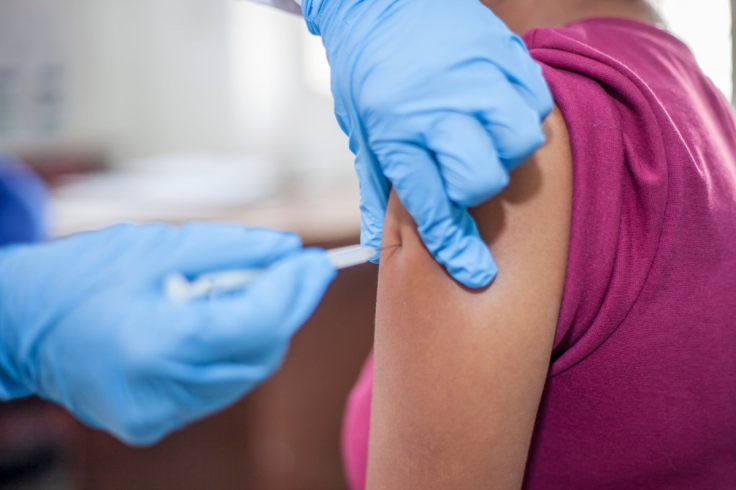
The United States has officially lost its measles elimination status, ending a 26-year run as a country free of domestic outbreaks. Health Secretary Robert F Kennedy Jr is now facing fierce criticism over how Washington handled the surge.
The Pan American Health Organization (PAHO) confirmed the decision on 17 November 2026, with Mexico and Bolivia also losing their status. With measles cases continuing to rise, many Americans are now asking what the change means and whether they need an additional MMR (measles, mumps and rubella) vaccination.
How the US Lost Its Measles-Free Status
The US first achieved measles elimination status in 2000. Under PAHO criteria, that status is lost when the same measles virus lineage circulates continuously within a country for 12 months or longer. According to the US Centers for Disease Control and Prevention (CDC), 5,412 cases had been confirmed by 12 November 2026.
That figure is more than double last year's total, according to CDC data. It also marks the worst year for measles since 1991, with cases reported across 45 states and Washington, DC. Measles is a highly contagious virus that causes fever, cough and a distinctive rash.
ASTHO reports that about 96% of cases involved people who were unvaccinated or whose vaccination status was unknown. CDC data show more than 590 people have been hospitalised and at least six have died.
Why RFK Jr Is Under Fire
Critics say Kennedy, a long-time vaccine sceptic, should have done more to promote vaccination during the outbreak. Former New York mayor Michael Bloomberg condemned the loss as a failure of federal health leadership.
US health officials have played down the change, arguing that the label itself does not protect Americans. They have also pledged to stop the outbreaks and work towards regaining the status.
Others note that vaccination rates began slipping after the Covid pandemic, before Kennedy took office. Canada and the UK have similarly seen setbacks in measles control, so the problem stretches beyond America.
Who Needs an MMR Shot Right Now?
The CDC advises children to get two doses, at 12 to 15 months and again at 4 to 6 years. Two doses are about 97% effective, while one dose offers around 93% protection against the virus.
Adults born in 1957 or later with no proof of immunity should get at least one dose. Healthcare workers, college students and international travellers need two doses, at least 28 days apart.
People vaccinated between 1963 and 1967 may need another dose if they are unsure which vaccine they received, as an older version was less effective. Anyone born before 1957 is presumed immune, and adults with two documented doses do not need a booster.
Pregnant women should not get the vaccine, and anyone unsure of their records should speak to a doctor. A blood test can also check immunity if records are missing.
What It Would Take To Regain the Status
To regain measles elimination status, the US must stop endemic transmission and demonstrate at least 12 months without sustained circulation of the same virus lineage, according to PAHO. While outbreaks continue in multiple states, public health experts say improving vaccination coverage will be central to that effort.
For families and travellers, checking vaccine records now is a simple step that could prevent a painful, avoidable illness. Measles spreads fast, but a quick conversation with your doctor could keep you and your family protected.
© Copyright IBTimes 2026. All rights reserved.