North Korea Fires Two Ballistic Missiles Days After US, South Korea and Japan Conclude Drills
The missiles travelled up to more than 600 kilometres and landed outside Japan's exclusive economic zone, prompting condemnations from Seoul and Tokyo

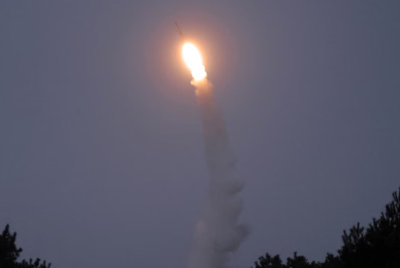
North Korea fired two short‑range ballistic missiles into the sea on 20 September, its second launch in a week and coming just days after the United States, South Korea and Japan wrapped up a joint naval exercise.
The missiles were launched from the country's eastern coast and landed outside Japan's exclusive economic zone, according to South Korean officials.
The tests have renewed tensions between Pyongyang and the three countries, which have continued military cooperation despite North Korea's objections. The first missile was launched from the Wonsan area and travelled about 450 kilometres. South Korean officials said it was believed to be part of the Hwasong‑11 series.
A second missile was fired at about 5.50pm and travelled more than 600 kilometres. South Korean and US intelligence agencies tracked the launches in real time and shared their assessments with Japanese officials.
The missiles were launched towards the sea rather than at a land target. Seoul and Tokyo both condemned the tests, saying they violated United Nations Security Council resolutions restricting North Korea's ballistic missile activity.
Trilateral Exercise May Have Led to NoKor Testing
The launches came after a US‑led naval exercise involving South Korea and Japan near Guam. The exercise ran from 29 August to 10 September. North Korea has long criticised joint military exercises involving the US and South Korea, describing them as preparations for an attack on the country.
Pyongyang has frequently responded to allied exercises with missile tests, military warnings or other displays of force.
The latest launches follow the same broad pattern, although North Korea has not said the missiles were specifically intended as a response to the Guam exercise. The 12 September test was the previous missile launch reported by South Korean authorities.
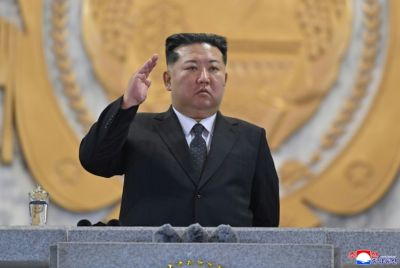
Kim Yo Jong, the sister of North Korean leader Kim Jong Un, blamed the US-led military exercises for what she described as 'ever-worsening' tensions in the region. She also indicated that North Korea would continue strengthening its nuclear arsenal, suggesting there was little prospect of Pyongyang changing its broader weapons policy.
North Korea has separately rejected criticism from the UN's nuclear watchdog over its nuclear programme.
Kim Yo Jong has become a prominent voice in North Korea's official statements on military and diplomatic issues. She has previously issued warnings aimed at the United States and defended North Korea's weapons capabilities in response to foreign assessments.
Seoul and Tokyo Condemn Missile Launches
South Korea's National Security Council and Joint Chiefs of Staff described Sunday's launches as direct violations of UN Security Council resolutions.
They called on North Korea to stop its missile activity. Japan's defence minister, Shinjiro Koizumi, said the repeated launches threatened the peace and security of Japan, the wider region and the international community.
Japan also lodged a formal protest with North Korea through diplomatic channels in Beijing. The three countries have continued to strengthen military cooperation as North Korea expands its missile and nuclear programmes. The Hwasong‑11 series is part of a wider group of North Korean short‑range missile systems that includes the KN‑23 and KN‑24.
These systems use solid‑propellant engines and mobile launchers. Solid fuel can allow missiles to be stored ready for use and launched with less preparation than some older liquid‑fuel systems. The mobile launchers can also make the weapons harder to detect before launch.
The systems are assessed as capable of reaching targets across South Korea. North Korea has also maintained uncertainty over the types of warheads its short‑range missiles could carry, including whether some could be adapted for nuclear or other unconventional weapons.
Pyongyang has given no indication that it intends to change its weapons development programme or abandon its opposition to US, South Korean and Japanese military cooperation.
© Copyright IBTimes 2026. All rights reserved.
- Recommended For You