

Growing Fears of a 'Civil War' in North Korea Rise Following Unverified Kim Jong-Un Death Claims
State media images show Kim at a Pyongyang exhibition, while South Korean officials say they have found no evidence that he died or that China deployed troops
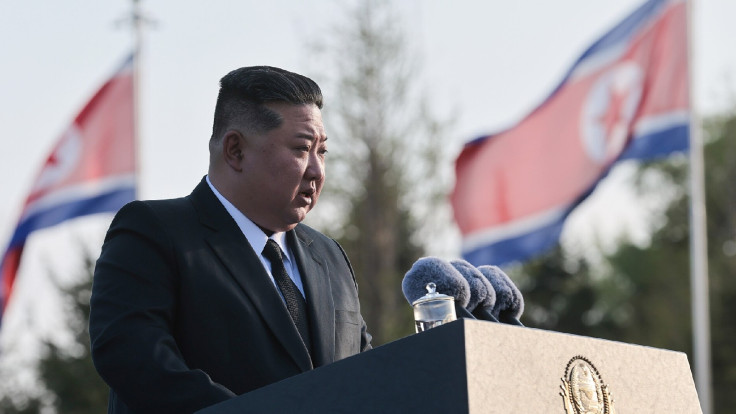
North Korean state media has released photographs reportedly showing Kim Jong-un at a Pyongyang exhibition following unsubstantiated claims that the country's leader had died, prompting speculation about a possible 'civil war'.
South Korean diplomatic and security officials have said they have heard nothing supporting the death rumours.
The claims originated from statements attributed to Wanjun Xie, a Chinese dissident based in the United States.
He alleged that Kim had suffered a severe brain haemorrhage and been transferred to a hospital in Beijing, where he subsequently died. No medical records or official confirmation have emerged to support the account.
Xie also claimed China had deployed 9,000 troops to Pyongyang to support Kim's daughter, Kim Ju-ae, amid a possible leadership transition. Neither the alleged deployment nor any transfer of power has been independently established.
Kim Jong-un Death Claims Fuel Succession Speculation
Xie alleged that specialists from Peking Union Medical College Hospital travelled to North Korea to treat Kim after he reportedly suffered a brain haemorrhage and lost consciousness. He claimed the leader was subsequently transferred to Beijing for emergency treatment but died after doctors were unable to save him.
Both the alleged diagnosis and hospital transfer remain unsupported by independent evidence. Neither the Chinese nor North Korean government has publicly confirmed the medical emergency described in Xie's account.
The dissident also suggested that Kim's reported death could disrupt succession arrangements involving his daughter, Kim Ju-ae, and potentially trigger internal conflict.
'Rumors circulate that Kim Jong-un has died, thwarting Kim Ju-ae's succession plans and potentially plunging North Korea into civil war,' Xie wrote on X.
🚨Breaking News🚨 Finally, even mainstream news has started reporting it
— Donald Trump Jr Q (@DonaldTrumRVQ) October 21, 2026
North Korea's Kim Jong-un is in a very dangerous condition after surgery pic.twitter.com/l0280AovgL
In the same post, Xie alleged that Chinese troops had entered Pyongyang to help Kim Ju-ae secure her position. In a separate claim, however, he suggested Kim's sister, Kim Yo Jong, had already assumed control of the government.
Neither allegation has been substantiated. There is no independently verified evidence of competing factions engaging in armed conflict, a leadership takeover or Chinese military intervention connected to Kim's alleged death.
South Korea's National Intelligence Service assessed in September that Kim Ju-ae was being positioned as a possible successor, according to lawmakers briefed by the agency. However, North Korea has made no public announcement formally identifying her as the country's next leader.
Xie's prediction of civil war therefore remains speculative. His statements do not establish that a succession dispute has emerged within the North Korean leadership.
North Korea Releases Photos Challenging Kim Jong-un Death Rumours
North Korea's Korean Central News Agency (KCNA) reported on 20 October that Kim Jong-un had visited the 2026 National Garment and Footwear Exhibition in Pyongyang the previous day. Photographs released by state media showed him examining products alongside his daughter, Kim Ju-ae, and wife, Ri Sol-ju.
The images reportedly showed Kim inspecting children's footwear and women's clothing during the exhibition. Their publication appeared to contradict online allegations that the North Korean leader had died.
However, the timing and circumstances of the photographs have not been independently authenticated. The images also provide no medical information about Kim's health or evidence supporting the reported hospitalisation.
South Korean diplomatic and security officials separately told Yonhap News Agency that they had heard 'nothing' supporting the death allegations. North Korean state media did not directly address the speculation but continued reporting on Kim's activities.
No independently verified evidence has emerged establishing that Kim died, was admitted to a Beijing hospital or had been replaced as North Korea's leader.
Border Tensions Escalate as Kim Yo Jong Announces New Broadcasts
North Korea announced on 21 October that it would resume anti-South Korean propaganda broadcasts along its border by the end of the month. The decision followed renewed military tensions between the two countries, although no connection has been established with the unverified claims about Kim Jong-un's death.
On 19 October, Kim Yo Jong accused South Korea's military of escalating tensions through warning shots and broadcasts directed at North Korean troops conducting border fortification work.
'A grave situation is prevailing along the southern border due to the reckless behavior of the ROK military gangsters,' she said in a statement carried by the Korean Central News Agency (KCNA).
Two days later, she announced plans to restart the broadcasts and warned of possible retaliation against threats to North Korean personnel. The announcement followed months of disputes over Pyongyang's installation of mines, fences and anti-tank barriers along the frontier.
South Korean lawmaker Yu Yong-weon, citing military information, said North Korean troops crossed the Military Demarcation Line approximately 50 times during August and September 2026. South Korean forces reportedly responded with warnings and warning shots, while Pyongyang disputed allegations of border incursions.
The incidents reflect continuing tensions between the two countries but provide no evidence of an internal succession struggle, Kim Jong-un's alleged death or an impending civil war.
© Copyright IBTimes 2026. All rights reserved.