

Kim Jong-Un Is 'Extremely Obese' and Eating Foie Gras While UN Calls Food Insecurity a Key Concern
Seoul spies reveal supreme leader is classified as extremely obese at 140kg, throwing a glaring spotlight on his luxury diet versus national starvation and his teenage daughter's succession path
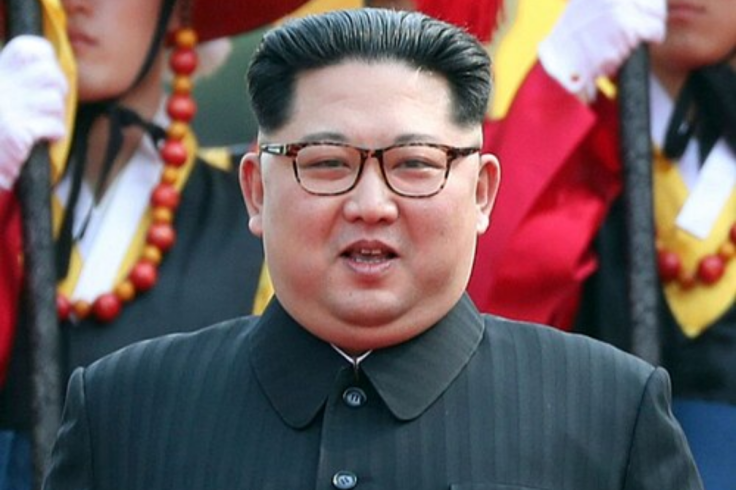
North Korean leader Kim Jong-un weighs more than 310lb and faces an elevated risk of severe cardiovascular disease, according to a classified briefing delivered by South Korea's National Intelligence Service (NIS).
Disclosed by lawmaker Youn Kun-young on 30 September 2026, intelligence officials classified the supreme leader as extremely obese at approximately 140 kilograms, though monitoring teams detected no immediate physical incapacitation or illness.
The alarming health assessment highlights a striking socio-economic contrast between Kim's well-documented appetite for luxury imports like caviar, lobster, and Foie gras and a recent United Nations report estimating that over 40 per cent of North Korea's population remains acutely undernourished.
Simultaneously, South Korean intelligence reported that Kim's 13-year-old daughter, Kim Ju Ae, has increasingly participated in high-level military and diplomatic events, solidifying her trajectory as the designated successor to the secretive nuclear-armed state.
Kim Jong-un's Health Raises Fresh Questions
According to Youn, the NIS believes Kim faces a high risk of cardiovascular disease because of his weight. However, the agency reportedly said he has demonstrated no significant physical limitations. This includes running up stairs during an inspection of a North Korean naval destroyer, according to the lawmakers.
Youn also quoted the intelligence assessment as saying: 'It is assessed that there are no signs of health issues, given the close monitoring by (his) dedicated medical team.'
These statements offer an unusual glimpse into intelligence assessments concerning one of the world's most secretive political leaders. Nevertheless, the reported findings cannot establish Kim's actual medical condition. His personal medical records have not been made publicly available.
Speculation surrounding Kim's health previously intensified in April 2020. He disappeared from public view for approximately 20 days after missing an event marking the birthday of his grandfather, Kim Il Sung.
His absence prompted unconfirmed reports suggesting he had undergone surgery or experienced serious health complications. Kim subsequently reappeared in public, but the circumstances surrounding his absence were never conclusively established.
His family's medical history has also attracted attention. His father, Kim Jong Il, died in December 2011. North Korean state media attributed his death to a heart attack.
His grandfather, Kim Il Sung, died in July 1994. Contemporary reports attributed his death to a heart ailment. Kim Jong-un's smoking habits and reported weight have therefore become recurring subjects of international scrutiny.
However, these factors alone cannot establish whether he currently suffers from cardiovascular disease. The latest NIS assessment remains an intelligence judgement rather than an independently verified medical diagnosis.
Luxury Food Preferences Contrast With North Korea's Hunger Crisis
Kim's reported appetite for expensive food has also resurfaced following the latest health briefing. In March 2019, Australian chef Paul Smart discussed the North Korean leader's culinary preferences following the Hanoi summit between Kim and US President Donald Trump.
Smart was the executive chef at Hanoi's Metropole Hotel during the February 2019 meeting. He worked alongside Kim's personal chefs as they prepared the leaders' meals.
Speaking about Kim's preferences, Smart said: 'He likes caviar, lobster, really luxurious products. Foie gras, he really likes to indulge in cuisine.' The chef also discussed the steaks brought by Kim's delegation.
According to Smart, the North Korean leader preferred his steak medium-rare or rare, while his own chefs supplied ingredients for the meals.
These comments provide a historical account of Kim's reported preferences. They do not establish his current diet or eating habits. The contrast with conditions elsewhere in North Korea remains significant.
A United Nations report published in August 2026 estimated that approximately 11 million people, representing more than 40 per cent of the population, were undernourished.
The UN has described North Korea's situation as a prolonged humanitarian crisis involving food insecurity and malnutrition. Children, pregnant women, older people and rural households face particular vulnerabilities.
The country's food difficulties have persisted for years, despite government claims about agricultural production. Kim's reported luxury preferences therefore stand in striking contrast to the experiences of ordinary North Koreans.
However, the available evidence does not establish how much food Kim personally consumes or how his household's spending affects national food distribution. The distinction matters when examining the country's humanitarian situation without overstating the available evidence.
Kim Ju Ae's Position In North Korea's Succession Picture
Questions about Kim's health have also renewed attention to the country's political future. South Korea's NIS has increasingly identified Kim's daughter as a potential successor.
In February 2026, the agency reportedly assessed that North Korea had entered a stage of designating her as his successor. The agency shared the assessment with lawmakers after a closed-door intelligence briefing and later strengthened it in September.
According to South Korean intelligence, Kim's daughter has increasingly participated in official events involving military, political and diplomatic activities. She is widely believed to be named Kim Ju Ae and is approximately 13 years old.
However, North Korean authorities have not publicly confirmed her full identity or officially announced her succession. Her appearances alongside her father have nevertheless attracted considerable international attention.
She has attended military events, weapons-related activities and other important public occasions. South Korean intelligence has interpreted these appearances as evidence of her growing political prominence.
The agency has also continued investigating whether Kim has an older son. Its reported September assessment stated that even if such a son exists, he is not currently considered positioned to succeed his father. This remains an intelligence assessment, not an official succession announcement from Pyongyang.
North Korea's political system remains highly secretive, making independent verification of internal leadership arrangements difficult. For now, the latest developments leave two significant questions unanswered.
The first concerns Kim's actual medical condition, which remains inaccessible to independent examination. The second concerns whether his daughter will eventually assume leadership of the nuclear-armed country.
South Korea's intelligence agency has provided its latest assessments on both issues. However, neither Kim's medical future nor North Korea's eventual succession arrangements can be established with certainty from the information currently available.
© Copyright IBTimes 2026. All rights reserved.