

Paraguay's Former President Detained After Impeachment as Ueno Bank Collapse Sparks Protests
Peña's removal deepens Paraguay's banking crisis as Ueno savers await repayments and clear answers
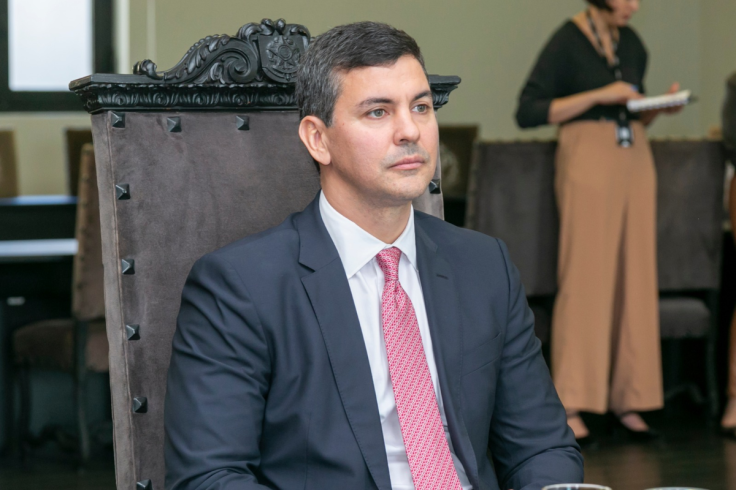
Paraguay's former president Santiago Peña was impeached and detained in Asunción on Friday, 6 November, as the collapse of Ueno Bank left millions facing disrupted accounts and sparked large protests over frozen savings.
Paraguay's central bank initiated a formal resolution process for Ueno on 2 November after finding its solvency ratio had fallen below half the required minimum. The intervention disrupted access to deposits and banking services at a lender that reported about three million customers.
Authorities initially ordered Peña held at home, but police transferred him to a military facility before midnight amid protests near his residence.
Customers queued outside branches as demonstrations mounted against Peña's government over the handling of the crisis. His administration faced questions about the placement of public money at the bank and the adequacy of regulatory oversight.
Peña submitted his resignation on Thursday, but Congress proceeded with impeachment the next day. All 44 senators present supported his removal for poor performance of official duties. The decision ended his presidency; it was not a criminal conviction.
Peña's Business Links Under Scrutiny
Lawmakers accused Peña of conflicts of interest, improper influence over bank supervision and irregularities involving public pension funds. The allegations remain contested and do not, without further evidence, establish criminal conduct.
Peña previously owned shares in Grupo Vázquez, the group behind Ueno, and said he sold his stake in March 2025. His former shareholding has drawn scrutiny, although ownership alone does not demonstrate that he caused the collapse.
His lawyer Ricardo Preda rejected the impeachment case, arguing that the allegations did not identify specific laws Peña had broken and blamed him for matters overseen by other institutions. Peña has denied wrongdoing.
Following the Senate vote, prosecutors ordered Peña detained in an investigation into suspected breach of trust and other offences. The Public Prosecutor's Office said the initial order required him to remain at his residence until brought before its economic crimes and anti-corruption unit.
Police later moved him to the Regimiento Escolta Presidencial in Asunción. Local reporting cited security concerns after protesters gathered outside his home and clashed with officers. The transfer did not establish guilt, and prosecutors had scheduled him to appear on Saturday, 7 November.
New President Faces Depositors' Anger
Former vice president Pedro Alliana was sworn in on Friday to serve the remainder of the presidential term, which ends in 2028. He pledged action to compensate depositors, but that commitment does not mean every customer has received repayment.
Ueno's disruption has affected customers who use the lender for savings, payments and other services. The reported three million customer figure is not a verified count of savers whose deposits remain inaccessible. Protesters have demanded access to funds and accountability.
The central bank announced phased payments through its Deposit Guarantee Fund. Under the first stage, depositors with balances of up to 10 million guaraníes qualify if they have no outstanding Ueno debts and hold an active account at another Paraguayan financial institution.
The first-stage threshold differs from the wider statutory guarantee of up to 228.3 million guaraníes (£27,256.10) per depositor at each financial institution. The regulator said additional payment groups would be processed as the resolution advanced, leaving repayment schedules dependent on eligibility and account balances.
© Copyright IBTimes 2026. All rights reserved.