

Pentagon's Polygraph Crackdown Could Have Targeted 5,000 Staffers in Hegseth's Leak Hunt
Draft policy aims to tighten leak controls with NDAs and random polygraph tests for Pentagon personnel
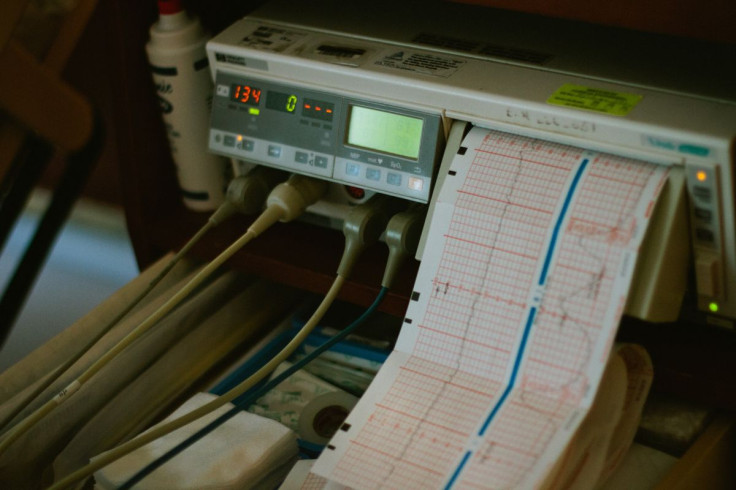
The US Department of Defense considered a policy that could have required more than 5,000 military personnel, civilian employees and contractors to sign nondisclosure agreements and undergo random polygraph tests as the Pentagon investigated unauthorised disclosures.
According to draft documents obtained by The Washington Post, the measures would have applied to personnel in the Office of the Secretary of Defense and Joint Staff, regardless of rank. The potential scope ranged from administrative employees to four-star generals.
The documents were unsigned and remained under consideration when reported in October 2025. Pentagon spokesperson Sean Parnell called the reporting 'untrue and irresponsible', while Deputy Defense Secretary Steve Feinberg said the rules were intended to protect sensitive information, US forces and national security.
Draft Policy Would Expand Leak Controls
Under the memorandum, personnel in the designated offices would have been required to sign an NDA prohibiting the release of non-public information without approval or through a defined review process.
The restriction would have covered information beyond material formally classified by the government, while federal law already prohibits the unauthorised disclosure of classified information.
A separate draft proposed random polygraph examinations for the same group. Personnel in the Office of the Secretary of Defense and Joint Staff with access to classified information were not then subject to random testing, although polygraphs are used elsewhere in the US intelligence community, including during security-clearance procedures.
The measures followed earlier attempts to use polygraphs in leak investigations. In July 2025, the White House intervened after Patrick Weaver, a political appointee and adviser to Defense Secretary Pete Hegseth, raised concerns that he and members of his team could be ordered to undergo testing.
Mark Zaid, a lawyer who has represented whistleblowers and government personnel, questioned the need for the broader measures. He argued that existing restrictions covered classified information and warned that wider NDA and polygraph requirements could discourage employees from communicating with journalists.
Pentagon Leak Investigations Continue
The Pentagon continued using polygraph examinations in targeted leak investigations after the draft emerged.
CBS News reported in September 2026 that several dozen senior military and civilian officials had undergone polygraph tests as investigators examined leaks concerning US weapons stockpiles during the war with Iran. Officials from US Central Command and other combatant commands were also reportedly tested.
The questions focused on whether officials had disclosed classified information or details about munitions stocks to journalists. Two sources told CBS that no one had failed the questions intended to identify media leakers.
Parnell said the department did not comment on internal personnel or investigative matters but took leaks of classified information seriously.
The testing was separate from the draft programme covering more than 5,000 personnel, which had not been approved.
Pentagon Media Access Also Tightened
The leak investigations coincided with changes to media access at the Pentagon. In September 2025, the department introduced rules requiring journalists to agree not to solicit or gather information that had not been authorised for release, including unclassified material.
The policy prompted objections from news organisations and press freedom groups. Journalists from major US outlets later surrendered their Pentagon credentials rather than sign the rules, ending more than 80 years of in-building coverage by major news organisations.
Pentagon officials defended the restrictions, while critics argued they could make it harder for journalists to scrutinise the department.
The 5,000-person NDA and random-polygraph proposal ultimately remained a draft, while separate examinations were later used in investigations into suspected leaks involving senior officials.
© Copyright IBTimes 2026. All rights reserved.