Nigel Farage Slams Deepfake X Ads Claiming He Fought Bank of England's Andrew Bailey
AI-generated deepfake adverts falsely depict Farage confronting Bank of England governor, highlighting growing online fraud concerns.
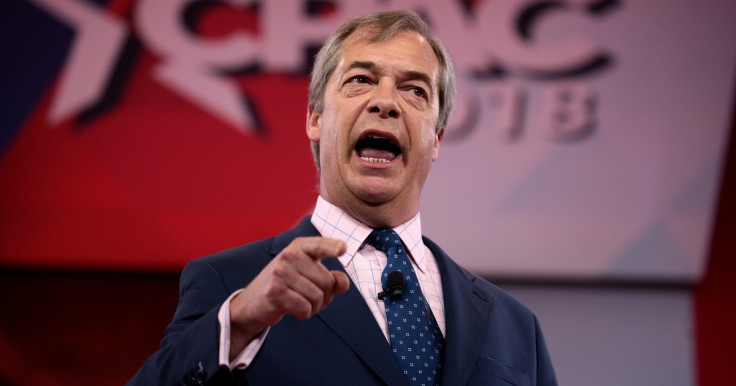
Nigel Farage has publicly denounced a wave of deepfake adverts circulating on X after fabricated videos falsely portrayed him physically confronting Bank of England governor Andrew Bailey.
The clips, dressed up as BBC footage and linked to bogus investment schemes, have become the latest example of AI-generated fraud exploiting recognisable public figures to lure victims online.
The manipulated posts claimed Farage challenged Bailey during an appearance on BBC's Question Time. In reality, no such confrontation took place. The adverts redirected users to fake news-style websites promoting investment products, a tactic regulators and cybersecurity researchers say is becoming alarmingly common across social media platforms.
Every ad I've got on here lately has been an AI-generated Nigel Farage getting in increasingly bizzare situations on Question Time pic.twitter.com/Ykv76Fzh1R
— Chariot (@ChariotDaGawd) June 8, 2026
The Bank of England confirmed it had reported the material to X and informed Reform UK about the posts. Bailey issued a strongly worded warning, describing the adverts as part of a wider pattern of online criminal activity targeting ordinary users.
'Unfortunately, fake adverts impersonating the Bank of England and other central banks are on the rise,' Bailey said. 'These scams are designed to criminally exploit the public, especially the vulnerable, when they are online.'
He added, 'I would urge everyone to stay vigilant and report these scams. That way authorities can better root out digital deception like this and permanently remove the fraudsters responsible for what is a truly online scourge.'
Fake News Branding Meets AI Manipulation
The adverts relied on increasingly sophisticated AI-generated content that mimicked the look and tone of legitimate news broadcasts. People behind the ads are manufacturing entire narratives complete with fabricated interviews, false headlines and manipulated video footage.
Farage responded directly on X after the clips began spreading widely.
'You may have seen some bizarre AI videos on this platform today,' he wrote. 'Whilst Andrew Bailey and I have our disagreements, I would never take it that far!'
You may have seen some bizarre AI videos on this platform today.
— Nigel Farage MP (@Nigel_Farage) June 8, 2026
Whilst Andrew Bailey and I have our disagreements, I would never take it that far!
Cybersecurity company Bitdefender described the operation as part of what it called 'a global, co-ordinated investment scam ecosystem'. Researchers told The Telegraph the campaign appeared linked to Russian-language cybercriminal networks engaged in 'financially motivated criminal activity'.
A spokesman for the company said researchers were 'confident that it is highly likely the X campaign' formed part of the same wider scam infrastructure previously identified on Facebook.
X has been approached for comment but had not publicly responded at the time of writing.
The Expanding Deepfake Economy
The incident is far from isolated. Farage has repeatedly appeared in fabricated AI-generated content in recent years, often in posts designed to manipulate emotional reactions rather than political opinion directly.
One viral story falsely claimed the Reform UK leader and his partner Laure Ferrari rescued 47 dogs by purchasing an animal shelter facing closure. The story was entirely fabricated, but it attracted substantial engagement online.
Experts increasingly warn that scammers are exploiting what researchers describe as 'weaponised empathy', blending sentimental storytelling with recognisable public figures to maximise clicks, shares and trust.
Investigators at the fact-checking charity Full Fact uncovered around 100 similar AI-generated posts spread across multiple accounts. Combined, the posts generated more than 380,000 reactions online.
Regulators Struggle to Keep Pace
Authorities across Europe and the UK are still grappling with how to regulate deepfake content tied to financial fraud.
Existing laws covering impersonation and online scams were not built for an environment where realistic video and audio can be generated within minutes.
Banks and regulators have become increasingly vocal about the risks. The Bank of England's unusually direct intervention reflects concern not just about reputational damage, but about vulnerable users being persuaded to part with money through convincing fake endorsements.
© Copyright IBTimes 2026. All rights reserved.
- Recommended For You