

Hackers Are Now Scouring Social Media For Peace Sign Selfies — The Reason Is More Dangerous Than You Think
Cybercrime warning highlights how high-resolution smartphone images may pose new risks for identity theft victims

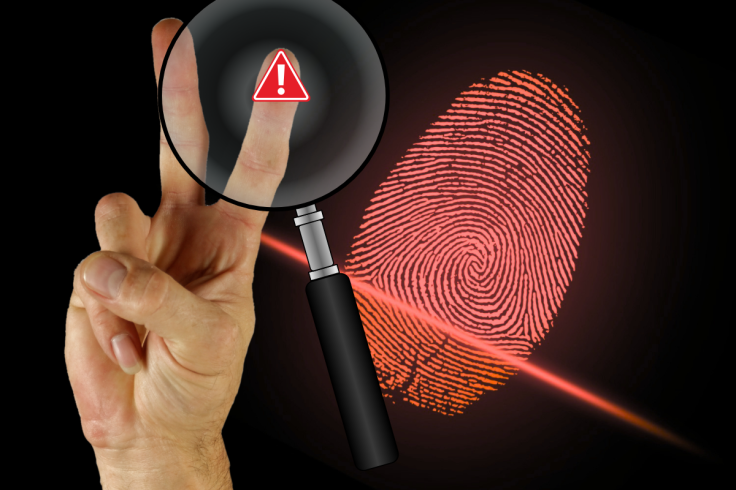
A common peace sign selfie may appear harmless, but authorities in the US are warning that certain photographs shared online could expose sensitive biometric information.
The Wagoner County Sheriff's Office in Oklahoma has issued a public warning about a growing cybercrime threat known as the 'Selfie Fingerprint' scam. Officials say scammers may use artificial intelligence tools to analyse high-resolution photographs and potentially extract visible fingerprint details from images posted on social media. The warning comes as law enforcement agencies continue to highlight emerging risks linked to the increasing use of AI-powered technologies by cybercriminals.
How the 'Selfie Fingerprint' Scam Works
According to the Sheriff's Office, scammers may target photographs that clearly show fingertips, particularly images featuring peace signs, hand gestures or close-up shots of hands. Officials say advances in artificial intelligence and image enhancement technology can allow criminals to enlarge and sharpen photographs, potentially making fingerprint patterns more visible.
Authorities warn that biometric information obtained from publicly shared images could be combined with other personal data in wider fraud schemes. The Sheriff's Office said this information could potentially be used in identity theft attempts, phishing attacks or efforts to gain unauthorised access to online accounts.
Why Social Media Images Are Valuable to Criminals
Modern smartphones are capable of capturing photographs with exceptional levels of detail. Many users also share images publicly across multiple social media platforms, making them accessible to a wide audience.
According to the Sheriff's Office, publicly available photographs can provide criminals with information that may assist in profiling potential victims. The warning focuses on biometric data because fingerprints are increasingly used as a security measure for unlocking devices, authorising payments and verifying identities. Officials are encouraging users to consider how much personal information may be visible in photographs before posting them online.
Four Ways To Reduce Your Risk
The Sheriff's Office has issued several recommendations designed to help users better protect their personal information.
- Avoid Posting Close-Up Photos Of Your Hands – Authorities advise users to be cautious when sharing photographs that clearly display fingertips, palms or other detailed biometric features. This is particularly important for images that can be viewed publicly.
- Use Additional Security Measures – Officials recommend combining fingerprint authentication with strong passwords and multi-factor authentication. Using multiple security layers can help reduce the risk of unauthorised access if personal information becomes compromised.
- Review Privacy Settings Regularly – The Sheriff's Office encourages users to check who can access their photographs and personal information online. Restricting public visibility may reduce the chances of images being collected by scammers.
- Monitor Accounts for Suspicious Activity – Authorities advise reviewing bank accounts, financial statements, and online accounts regularly. Any unusual activity or unauthorised transactions should be investigated and reported promptly.
What to Do If You Have Been Targeted
The Sheriff's Office is urging anyone who suspects they may have been affected by a scam to contact local law enforcement. Officials also recommend seeking assistance if suspicious activity is detected on financial accounts or online services. Victims of cybercrime can also file reports with the FBI's Internet Crime Complaint Center, which monitors and investigates online fraud cases across the country.
Growing Concerns Over AI and Personal Data
The warning reflects broader concerns about the ways emerging technologies can be used to collect and analyse personal information. As artificial intelligence tools become increasingly accessible, authorities are encouraging people to think carefully about the content they share online and the level of detail visible in photographs.
For many people, a peace sign selfie is simply a familiar social media pose. However, law enforcement officials say that reviewing privacy settings, limiting the amount of personal information shared publicly, and following basic online safety practices can help reduce exposure to evolving cyber threats.
© Copyright IBTimes 2026. All rights reserved.