

Professor Sues Boeing for £30 Million After Toxic Fumes on Flight Left Him Brain Damaged and Unable to Stand
Jonathan Harris Now Carries Gas Mask on Flights
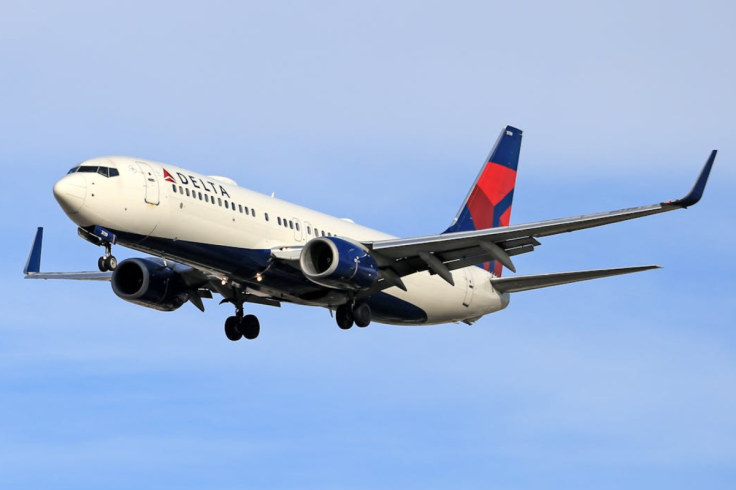
A law professor has filed a £30 million ($40 million) lawsuit against Boeing, alleging that exposure to toxic fumes on a Delta flight left him with permanent brain damage and debilitating neurological symptoms.
Jonathan Harris claims that a single 'fume event' on a Boeing 737 in August 2024 has destroyed his career and health, forcing him to teach from a chair and carry a gas mask when he flies.
The Tarmac Incident
Harris was flying from Atlanta to Los Angeles when passengers started noticing an odour that witnesses described as 'dirty socks'. The Boeing 737 had already landed but was stuck on the tarmac for 45 minutes waiting for a gate, and the odour just kept getting worse.
Harris, who was teaching at Loyola Law School in LA at the time, struggled to breathe and eventually threw up into a plastic bag while still in his seat. Other passengers got sick, too. The captain came on the intercom to apologise for the smell, according to the lawsuit filed last week in Arlington County, Virginia Circuit Court.
The professor went to the hospital the next day, and doctors found low oxygen levels in his blood alongside high levels of bicarbonate and carbon monoxide.
Debilitating Neurological Symptoms
Harris, who is now 60 and works at Temple University in Philadelphia, says the fume exposure has wrecked his ability to do his job properly. He teaches law sitting down these days because he is too unsteady on his feet to stand at the front of a lecture hall like he used to.
The balance problems have caused him to fall and break his ankle. Harris used to be a keen runner, but that is all gone now. His lawsuit details ongoing symptoms, including memory loss, tremors, vertigo, confusion, chest tightness, and cognitive problems.
He has had to get an inhaler prescribed for the tightness in his chest, and he still gets terrible headaches more than a year after the flight. Harris now avoids flying, and when he absolutely has to get on a plane, he brings a gas mask with him.
Harris claims flight attendants completely ignored his requests to evacuate passengers from the plane after landing once the smell started spreading through the cabin. The lawsuit is seeking £30 million ($40 million) plus legal fees from Boeing.

How It Actually Happens
Most commercial jets use what is called a 'bleed air' system to pressurise and ventilate the cabin. Air gets pulled from the engines and routed through the environmental control system. If engine oil seals or hydraulic components leak, that air can carry contaminants into where passengers are sitting.
Harris's lawsuit notes that when these seals go wrong, passengers can end up inhaling vapourised engine oil, hydraulic fluid, and jet fuel. The fumes often contain neurotoxic chemicals, including tricresyl phosphate (TCP), which is used in engine oils.
A History of Denial and Regulatory Inaction
The aviation industry has consistently argued that fume events are rare and have not been proven to cause serious long-term health problems. Boeing and Delta both declined to comment on Harris's specific lawsuit.
Boeing told media outlets that 'independent researchers, universities, industry groups, and government agencies have conducted extensive research on cabin air quality' and that 'the results repeatedly demonstrate that contaminant levels on aircraft are generally low'.
The Federal Aviation Administration (FAA) maintains it promotes 'strict cabin air standards' and that 'studies have shown cabin air is as good as or better than the air found in offices and homes'.
A Landmark First Passenger-Led Lawsuit
Harris's lawyer, Zoe Littlepage, says this is the first time a passenger from a commercial flight–rather than crew members–is the lead plaintiff in this type of lawsuit against a plane manufacturer. She told The Wall Street Journal her firm has quietly settled eight similar cases with Boeing over the past decade, with three more pending right now.
The scary thing is, these so-called 'fume events' happen way more often than most people realise. According to the UK Civil Aviation Authority (CAA), they can cause long-term effects, including headaches, fatigue, weakness, balance problems, memory issues, depression, and poor concentration.
Why This Case Actually Matters
Harris's case could empower passengers affected by fume events to sue aircraft manufacturers directly. Until now, crew members have been taking legal action mainly. If a law professor with medical documentation and expert legal knowledge can successfully argue that a single fume event caused lasting brain and respiratory damage, it changes the game entirely for how the aviation industry handles these incidents.
The fact that Harris now literally travels with a gas mask speaks volumes about how seriously affected he has been. This isn't some bloke trying his luck for a payout, it is a legal expert whose career and health were affected by breathing contaminated cabin air.
© Copyright IBTimes 2026. All rights reserved.