

Russell Brand Quick Facts: What He Was Convicted of and How Four Women Described Their Ordeals
Russell Brand awaits sentencing over offences against four women as police investigate two further rape allegations
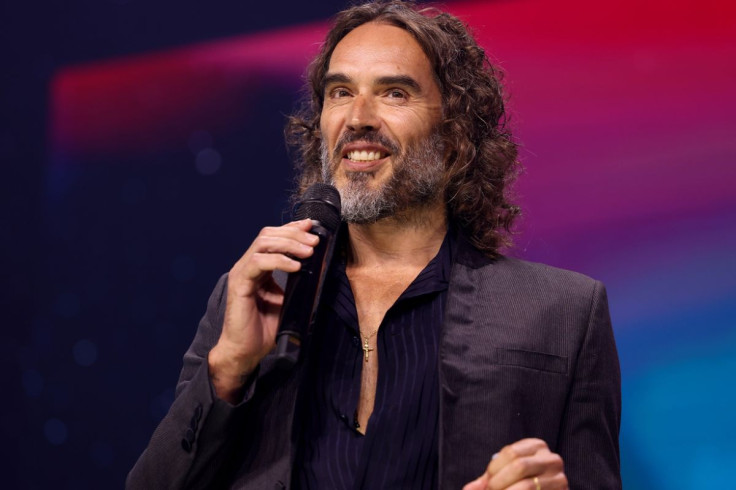
Russell Brand was convicted of one count of rape and three counts of sexual assault at London's Southwark Crown Court on Thursday, 5 November, with sentencing scheduled for Monday, 9 November.
The verdicts followed a Metropolitan Police investigation launched after allegations appeared in Channel 4's Dispatches, The Times and The Sunday Times in September 2023. Women who were not known to one another subsequently contacted officers.
What Russell Brand Was Convicted Of
Brand, 51, was unanimously convicted after a four-week trial. The offences involved four women and occurred between 2004 and 2009, during his rise as a comedian and television presenter.
The jury also acquitted him of two separate rape charges and one count of attempted indecent assault. He was remanded in custody ahead of Monday's sentencing.
Judge Joel Bennathan indicated that a significant prison sentence would follow. The jury reached its decisions after around eight and a half hours of deliberations.
Four Women at the Centre of Brand's Trial
The rape conviction concerned a woman who met Brand after a show at the Hammersmith Apollo in 2009, when she was 21. She described an earlier consensual encounter, followed several days later by a visit to his townhouse.
She told the court that Brand forced her into anal sex and ignored her pleas to stop. She also described turning to alcoholism after the rape. A friend recalled her as a 'bright, bubbly and confident girl'.
An MTV worker described being groped at a Soho bar in 2004. She told the court she 'felt ashamed' and that Brand behaved 'like nothing happened' afterwards.
The other convictions concerned a woman whom Brand kissed and groped at a London radio station in 2004 or 2005, and a Channel 4 worker whom he sexually assaulted in 2009 after she was pressured into giving him a massage.
During the trial, Brand recognised that he had been obsessed with sex but maintained that consent was 'fundamental'.
How Police Built Brand's Case
The Met stated that investigators traced more than 100 witnesses, took more than 400 witness statements and reviewed over 1,400 documents. The historical nature of the allegations meant there was no CCTV or forensic evidence available, while digital enquiries were restricted by the passage of time.
Detectives obtained historical floor plans and photographs of locations connected to the allegations, including a former home and workplace. They also reviewed hundreds of hours of Brand's performances, interviews and broadcasts, alongside all his books, to establish timelines and test accounts.
Police stated that Brand repeatedly claimed not to recognise the women during four interviews. The Met said his account changed as the trial approached, prompting prosecuting counsel to describe his recollection as 'selective memory'.
Detective Superintendent Andy Furphy praised the women's courage and described the public scrutiny they had faced. Furphy stated, 'Brand used his influence, status and fame to exploit and sexually offend against women.' He urged anyone who had experienced rape or serious sexual assault to contact police.
Specialist officers and dedicated victim support teams remained alongside the women throughout the investigation and trial.
The Met confirmed that it was investigating two further rape allegations made by other women, with files submitted to the Crown Prosecution Service for consideration.
© Copyright IBTimes 2026. All rights reserved.