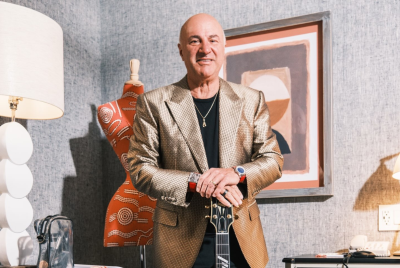
Sheikh Ahmed Dalmook Al Maktoum Bets on 16-Year Horizons in a Three-Year World
Exploring a Long-Term Investment Model in Emerging Markets
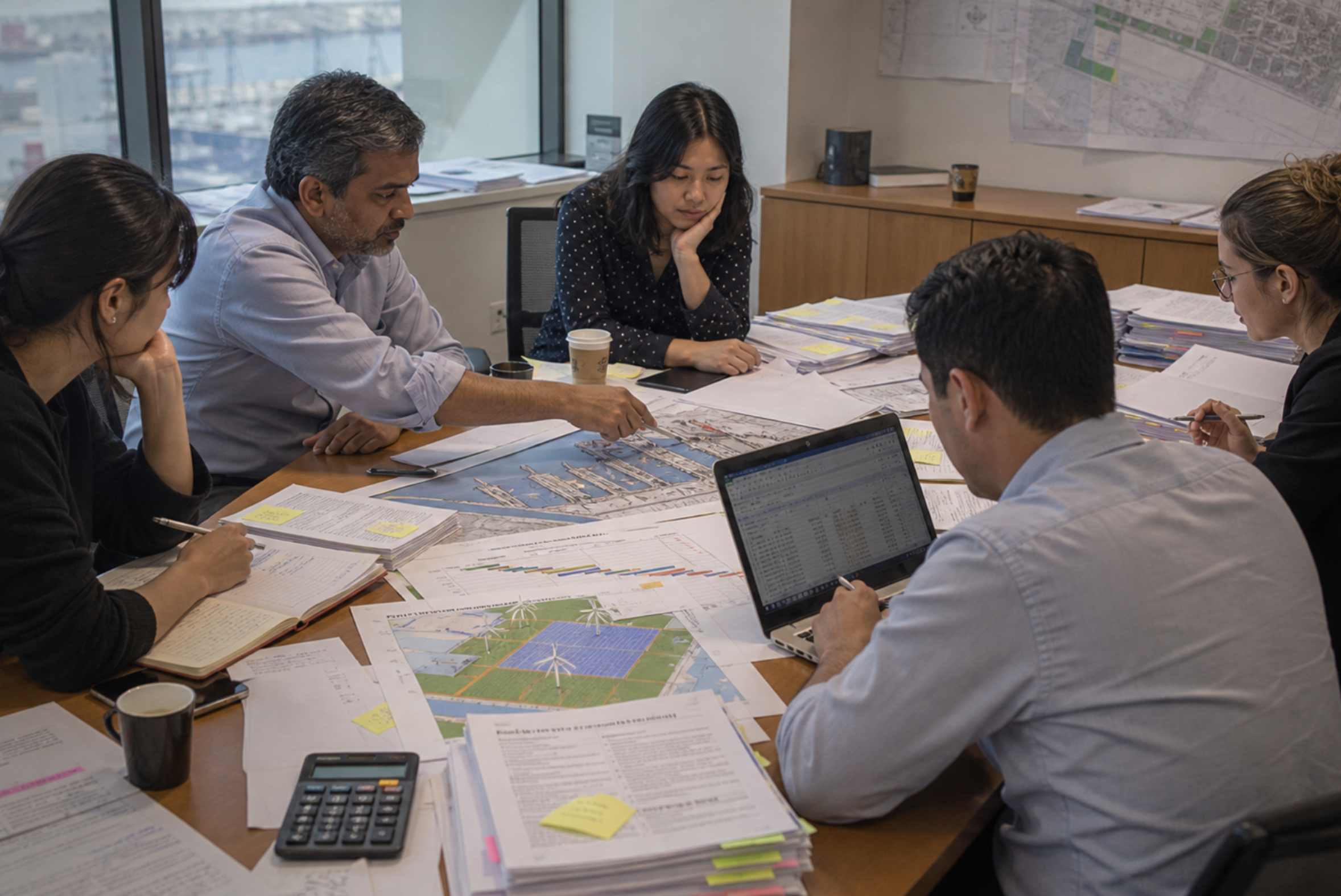
Private equity typically buys, improves, and sells within three to five years. Sheikh Ahmed Dalmook Al Maktoum runs his Dubai-based group, Inmā Emirates Holdings, on a different clock: the firm's own portfolio accounting claims an average of roughly 16 years per project.
Anyone evaluating infrastructure and development capital across emerging markets should treat that number from two perspectives, first for what it would mean if accurate, and second for the fact that no independent audit of it exists.
Both halves matter. Inmā's aggregate claims of 35-plus projects, 15-plus countries and 75-plus documented government interactions all trace to the firm itself. Its individually documented deals, though, are real, public and unusual enough in structure to repay close study on their own.
The Deal Structure Sheikh Ahmed Dalmook Al Maktoum Uses Instead of a Tender
Most infrastructure capital arrives after a government has already decided what it wants built, publishing requirements that bidders then price. Inmā describes working the opposite way, co-structuring projects with state-linked partners before formal bidding happens, so that the eventual contract reflects terms both sides drafted.
Origination of that kind runs through access, and the access is documented. Khaleej Times reported in May 2023 that Sheikh Ahmed Dalmook Al Maktoum stood at the head of a UAE business delegation meeting Pakistan's prime minister on trade, ports, and shipping cooperation. Relationships at that altitude precede tenders rather than respond to them, which is the entire point of the model.
What the Documented Positions Look Like
Karachi anchors the claimed portfolio. AD Ports Group and UAE-based Kaheel Terminals hold a 50-year concession, signed in June 2023 with Karachi Port Trust, covering four East Wharf container berths with US$220 million committed over the first decade. Public accounts of the concession name AD Ports and Kaheel Terminals, and Inmā's association with the arrangement rests on its own materials, a distinction any diligence process should note.
Energy positions are better documented on Sheikh Ahmed Dalmook Al Maktoum's side. A joint venture between London-listed Oracle Power and his private office, via Kaheel Energy, won a green light in 2022 for a 400-megawatt green hydrogen plant in Sindh province, powered by roughly 1.2 gigawatts of wind and solar and conditional on a bank guarantee. An earlier position dates to 2015, when his firm Ameri Energy signed a 250-megawatt gas plant deal with Ghana's government under a five-year build-own-operate-transfer structure, Metka as contractor.
Bridgetown and Georgetown extend the map. Barbadian government and press accounts place his office in a consortium negotiating a BDS$300 million airport partnership since a 2023 memorandum, which remains unsigned after repeated delays, and Georgetown press coverage recorded him among the signing parties when Guyana awarded Germany's Veridos a US$34 million e-ID contract in 2023.
Reading the Accountability Layer Like a Diligence Officer
Inmā says independent reviewers examine its project-level results, from employment to service delivery, against standards resembling what development finance institutions apply to their own lending. It offers Syria as the hardest test, describing property development there as running through local partners and local hiring so that returns depend on genuine recovery.
Neither claim appears to have been independently substantiated in third-party publication, which leaves them in the category of management representations awaiting verification.
An allocator should read that gap the way diligence teams usually do: not as disqualifying, but as defining what to ask for. Audited impact reports, reviewer identities, and project-level data would convert the strongest talking points from Sheikh Ahmed Dalmook Al Maktoum's firm into verifiable facts.
Until then, the verifiable record consists of the signed concessions and ventures above, several carrying sovereign-linked co-investors whose involvement is itself a form of vetting.
Running the Numbers Against a Standard Infrastructure Fund
A conventional infrastructure fund raises capital on a 10-to-12-year life, deploys early, and manages towards an exit that returns capital to limited partners on schedule. Nothing in the documented deals here follows that shape.
A 50-year port concession and a hydrogen venture gated on sovereign-scale guarantees have no exit clock; the holding period is the arrangement itself, and value accrues across the full span or does not accrue at all.
That difference redefines what counts as an investable asset. A fund manager screening Ghana's plant or Guyana's identification programme would need a plausible buyer in year seven, and none exists for assets of that kind.
A structure pairing private capital with sovereign partners can hold them anyway, treating the government relationship as the durable asset and renewing scope over time instead of engineering a sale. For institutional readers, that is the transferable insight: an operating alternative to exit-driven logic, visible in signed documents rather than marketing decks.
Duration cuts the other way too, and a fair reading has to say so. Capital committed for 16 years, if the firm's average holds, sits exposed to political turnover, currency moves, and renegotiation pressure in markets where all three are common.
Sovereign co-investors soften those risks without removing them, and an unsigned Barbados deal after two years of talks shows how much patience the model consumes before returning anything at all.
The Bet
Strip away the geography and one wager remains. Governments, on this thesis, will reward a counterparty that commits for 15 or 50 years over one that competes on price and departs, and Sheikh Ahmed Dalmook Al Maktoum has positioned his firm to collect on that preference.
Signed agreements and negotiations from Karachi to Bridgetown show governments engaging with the premise, while nearly every deal remains too young, or too unfinished, to score.
A three-to-five-year industry evaluating a self-declared 16-year model faces an awkward truth: the evidence needed to judge it arrives on the model's schedule, no one else's. Watching whether the Karachi terminal hits its capacity targets, whether Sindh's hydrogen plant clears its guarantee, and whether Bridgetown ever signs will tell more than any portfolio summary.
Those milestones, not the totals, are where the bet placed by Sheikh Ahmed Dalmook Al Maktoum gets settled.
© Copyright IBTimes 2026. All rights reserved.
- Recommended For You