South Korea Abortion Pill Plan Targets Early 2027 Rollout as Rights Groups and Doctors Clash Over Access
The proposed framework would permit Hyundai Pharm's Mifegymiso for pregnancies of up to nine weeks, amid calls for wider access and stronger legal safeguards
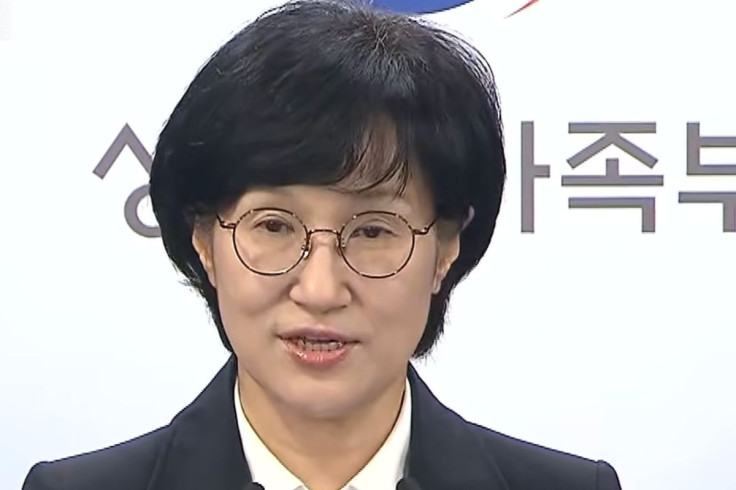
South Korea plans to introduce abortion pills as early as the first quarter of 2027, allowing their use for pregnancies of up to nine weeks, under a government proposal that has exposed sharp divisions between women's rights groups and doctors over how widely the drugs should be available.
The South Korea abortion pill plan follows years of legal uncertainty after the Constitutional Court ruled in 2019 that criminalising abortion was unconstitutional. Women's groups want broader eligibility and fewer prescription barriers, while doctors are calling for tighter medical supervision and clearer legal protections.
South Korea Abortion Pill Plan Sets Nine-Week Limit
The government announced the proposed framework on Wednesday after years in which follow-up legislation on abortion, including permissible gestational limits, remained stalled. Amid the legislative gap, abortion pills have circulated through unofficial and unapproved channels.
The plan would allow Hyundai Pharm's Mifegymiso tablets, a medication regimen involving mifepristone and misoprostol, for pregnancies of nine weeks or less. President Lee Jae Myung had instructed officials at a Cabinet meeting in July to discuss allowing the drug.
Mifegyne was first approved in France in 1988 and is permitted in about 100 countries.
Won Min-kyong, minister of gender equality and family, said the long-standing institutional gap had prevented some women from safely accessing medical care.
'Decisions about pregnancy and childbirth have a significant impact on a woman's entire life, but institutional gaps have long denied an individual's right to safely access the medical system,' Won said.
She said formal introduction of the pills could make pregnancy termination safer and ease the burden on women who end pregnancies because of socioeconomic circumstances.
Abortion Pill Access Draws Rights Groups' Concerns
Women's rights groups welcomed the announcement but argued that the nine-week threshold and planned prescription rules could still restrict access.
The Korea Women's Political Network called for eligibility to extend to at least 10 weeks, citing US Food and Drug Administration standards approving mifepristone and misoprostol for pregnancies up to 10 weeks from the last menstrual period.
The group also criticised plans to restrict prescriptions to medical institutions during the first two years, saying this could affect women with limited access to obstetric care or those concerned about revealing their identities.
'All women who need pregnancy termination should be able to receive medical services safely and with dignity, regardless of their economic, regional or social circumstances,' the network said.
Doctors Seek South Korea Abortion Pill Safeguards
Doctors have taken a more cautious position, particularly over pharmacy dispensing. The Korean Association of Obstetricians and Gynecologists said it did not oppose abortion pills in principle, but warned that administrative guidelines could not resolve the legal uncertainty that has persisted for more than five years.
It urged the National Assembly to advance related legislation, arguing that patients need follow-up care if complications arise and doctors need legal protection.
Kim Mee-ran, a professor of obstetrics and gynecology at the Catholic University of Korea, Seoul St. Mary's Hospital, warned against indiscriminate pharmacy sales. 'But pharmacists don't perform ultrasounds or determine whether a pregnancy is ectopic. We need proper management on this issue,' Kim said.
An obstetrician-gynaecologist who requested anonymity said a doctor's prescription would be safer than buying the drugs illegally, but argued that access should remain tightly controlled.
She said some doctors may initially prefer monitored use in hospital settings because Korean doctors have limited experience prescribing Mifegyne. 'If abortion pills are provided without related laws in place, it could lead to legal problems,' she said.
© Copyright IBTimes 2026. All rights reserved.
- Recommended For You