

Switch 2's Thin Game Library Linked to Nintendo Dev Kit Delay — Relief Ahead
Limited dev kit distribution may have slowed early Switch 2 support, but reports suggest the issue has now been resolved.
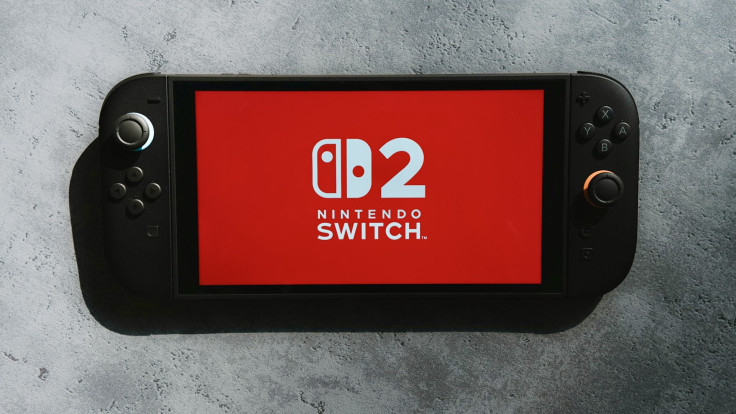
A curious contradiction has marked the early months of the Switch 2. Hardware anticipation is high, yet the launch window software slate has appeared unusually thin for a Nintendo platform.
For players and investors alike, the concern has been whether this reflects waning third-party support or a more temporary bottleneck behind the scenes.
Dev Kit Accessibility Likely Caused Lack Of Titles
It was reported months back that Nintendo had tight control over dev kits in the months before and after the release of the Switch 2. Gaming industry insider Doctre81 adds that developers who had access to the dev kits had to overcome several hoops.
The dev kit required games to showcase the system's unique features, support 4K at 60 FPS or up to 120 FPS at 1440p in docked mode, and meet additional criteria.
NateTheHate reinforced those claims in August, writing that 'plenty of large dev studios lack devkits'. Without access to finalised hardware and software tools, studios were unable to begin meaningful optimisation or certification work.
This helps explain why early third-party announcements skewed towards smaller or previously committed partners. Large, technically demanding projects typically require many months of iteration. Even a delay of several weeks in receiving hardware can push a release out of a launch window entirely, especially for cross-platform titles already locked to other consoles.
The implication is that the Switch 2's early drought is less a structural weakness and more a timing problem. If correct, the next 12 to 18 months may look dramatically different, with pent-up projects finally reaching players.
Call of Duty As A Bellwether Title
The most instructive example is Call of Duty. Last week, Jez Corden said on X (as shared via X Cancel) that the franchise's first Switch entry is 'nearly done and launching in a few months'.
He also explained why earlier instalments, including the latest Black Ops release, did not arrive day-and-date: the developers did not have dev kits early enough to complete a port.
NateTheHate later corroborated this account on Famiboards, clarifying that 'it doesn't mean they got a devkit super late, either. Just late enough that they couldn't get the work done to launch the game sooner. The devkit delivery situation has largely been resolved.' The distinction matters. It suggests process friction rather than strategic exclusion.
For analysts, Call of Duty functions as a bellwether. If one of the industry's most resourced franchises was delayed by tooling rather than commercial hesitation, smaller publishers were likely affected even more severely.
What The Resolution Means For 2026 Releases
The recent surge in third-party announcements hints that the bottleneck has finally cleared. Multiple publishers across Japan, Europe and North America have revealed Switch 2 projects in quick succession, suggesting that dev kits are now widely available.
Looking ahead, this sets up a markedly stronger 2026. Expect a wave of ports that skipped the launch window, alongside bespoke titles that can now target the hardware properly. Annualised franchises such as Call of Duty should normalise their release cadence. Sports titles, long-absent RPG ports and technically ambitious action games are also likely beneficiaries.
There is also scope for surprise. Games that began development only after dev kits arrived may still make late-2026 launches if teams prioritise the platform.
Historically, Nintendo consoles experience a sharp uptick in third-party quality once tooling stabilises, and the Switch 2 appears poised for a similar inflection point.
For now, the thin early library looks less like a warning sign and more like a calm before a busy release schedule. At the very least, players can expect more Nintendo Switch 2 games in the future.
© Copyright IBTimes 2026. All rights reserved.