

What Is Pentobarbital? The Veterinary Drug That Failed To Execute Christa Pike in Tennessee
Tennessee halted all executions after two doses left Christa Pike alive and breathing
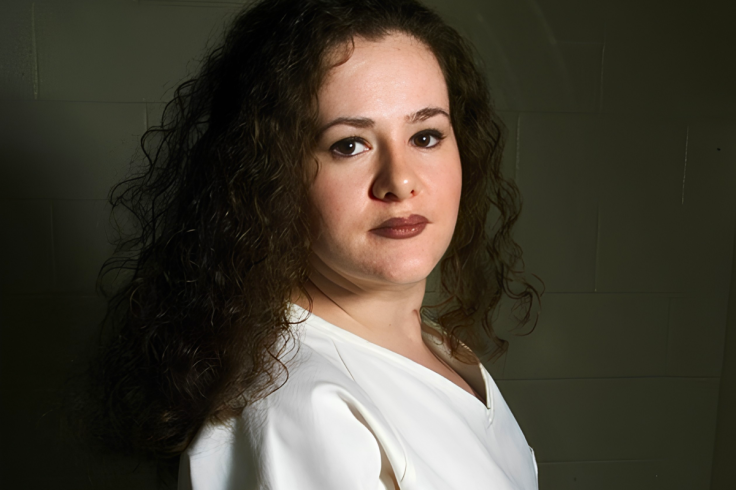
Christa Pike was still breathing after Tennessee injected her with two doses of pentobarbital on Wednesday night, forcing officials to call off her execution in Nashville and reviving hard questions about Tennessee's single-drug lethal injection protocol.
Governor Bill Lee halted all remaining executions in the state for the year and ordered an independent review, calling the failed attempt 'deeply disturbing'.
Pike, 50, was convicted of the 1995 torture and killing of 19-year-old Colleen Slemmer and would have been the first woman executed in Tennessee in more than 200 years. She was taken to an off-site medical facility after she could be heard snoring in the chamber long after the drug was administered. It was the state's second failed execution this year.
What Pentobarbital Is
Pentobarbital is a barbiturate, a central nervous system depressant that slows breathing and brain activity. In large amounts it is used to put down animals, and veterinary clinics rely on it for euthanasia.
Tennessee moved to a single-drug protocol in December 2024, replacing a three-drug formula it had struggled to source. The same European and American supply pressures that pushed states towards pentobarbital have also made reliable, pharmaceutical-grade stock hard to secure.
Why a Lethal Drug Sometimes Fails
A drug meant to kill can still fail for reasons that have little to do with the chemical itself. Finding a usable vein is a recurring problem, and executioners have spent long stretches searching for access during past US procedures.
Oklahoma's 2014 execution of Clayton Lockett, which ran for 43 minutes after a vein failed, remains one of the most cited examples. Supply disruption has pushed some states towards compounded or ageing stock, which experts warn can lose potency.
There is also no uniform national dosing standard, so protocols vary from one state to the next.
What Pike's Lawyers Allege Went Wrong
Pike's attorneys, Stephen Ferrell and Luke Ihnen of Federal Defender Services of Eastern Tennessee, had warned for months that her case carried unusual risks. They pointed to a blood disorder and small, hard-to-reach veins that make needle insertion difficult, raising the chance of a prolonged attempt. They also argued the protocol keeps no emergency medical team on site if something goes wrong.
In earlier filings they said degraded or improperly tested drugs had marked botched executions for decades.
A Protocol Facing Fresh Scrutiny
The execution went ahead only after a legal scramble. A federal appeals court paused it hours earlier, before the US Supreme Court cleared the way at Tennessee's request.
Justice Sonia Sotomayor, joined by Justices Elena Kagan and Ketanji Brown Jackson, dissented, writing, 'I see no reason to short-circuit the ordinary process of appellate review'.
The Tennessee Department of Correction (TDOC) said it followed every step of its lawful protocol, which was approved by the attorney general's office. The independent review Lee ordered will now examine what happened inside the chamber.
For a method already tested by shortages, failed attempts, and court challenges, the outcome in Nashville has prompted fresh scrutiny of the reliability of lethal injection, with officials now facing pressure to explain how the procedure failed despite established safeguards.
© Copyright IBTimes 2026. All rights reserved.