

Stephen Miller's Wife Blames GOP Midterm Losses on Moms, Then Admits She Didn't Vote Herself
A voter poll found that 59% of women with children backed Democratic House candidates, compared with 38% who backed Republicans
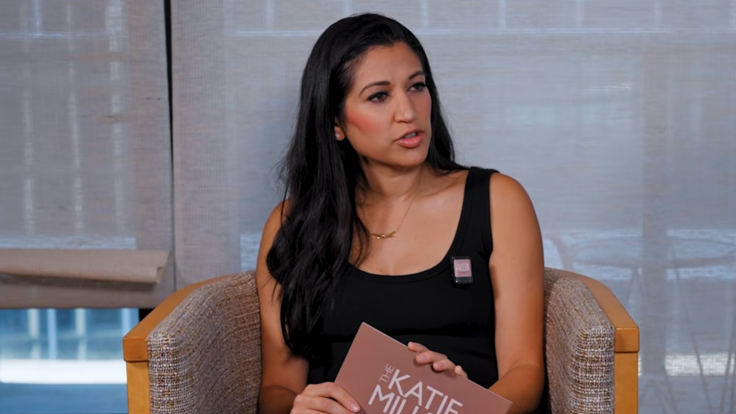
Katie Miller, wife of White House Deputy Chief of Staff Stephen Miller, has come under scrutiny after suggesting mothers were too busy raising children to vote in the 2026 midterm elections, before revealing that she had not cast a ballot herself.
During an election-night interview with CBS News anchor Norah O'Donnell on 3 November, the conservative podcaster argued that mothers staying at home were partly responsible for Republican losses. 'You see that moms are too busy raising their children and taking care of them to go to the polls,' she said.
Asked whether she had voted, Miller replied that she had not. She explained that she avoided voting in Virginia because she believed doing so would expose her home address, adding that she preferred to prioritise her safety and security.
The exchange has drawn attention to the contrast between Miller's criticism of other mothers and her own decision not to participate. It also raises a wider question about whether the voting patterns of women with children support her explanation for the Republican defeat.
Polling Figures Challenge the Claim About Mothers
The 2026 Fox News Voter Poll found that 59% of women with children supported Democratic candidates for the House of Representatives, while 38% backed Republicans. The parent-category breakdown was based on 39,393 respondents.
The figures offer a striking counterpoint to Miller's suggestion that mothers were too occupied with childcare to make it to polling stations. A majority of women in the poll's category supported Democratic candidates, indicating that mothers were very much part of the electorate.
The same poll found that 59% of women without children also backed Democrats, compared with 40% who supported Republicans. The similar Democratic share across the two groups suggests the party's advantage among female voters was not limited to women with children.
Miller Cites Privacy Concerns Over Virginia Voting
Miller defended her decision by raising concerns about the privacy of voter information in Virginia. 'I did not vote in Virginia because, in Virginia, when you vote, you dox your own address, and so I prefer my own safety and security over giving that up,' she told O'Donnell.
Her explanation should be distinguished from the state's actual election rules. Virginia restricts public access to individual voter registration records, although the information available and the protections applied depend on the type of record. Her claim about exposing her address should therefore be treated as her stated concern, rather than a general description of what happens to every Virginia voter.
Candidate Quality Also Featured in Miller's Election Analysis
Miller also pointed to candidate quality as a factor behind Republican losses. Her comments came after Democrats secured control of both the House and Senate, dealing a major setback to the Republican Party during Trump's midterm elections.
That explanation points to a broader political challenge than turnout alone. Candidate selection, campaign messages, and voter dissatisfaction can all influence election outcomes. The polling figures suggest that Republicans also need to examine their appeal among women, including those without children.
For the party, the results raise questions about how it can regain support among female voters. Blaming mothers for staying at home risks overlooking the preferences of women who did participate and chose Democratic candidates.
© Copyright IBTimes 2026. All rights reserved.