Crypto Overtakes Real Estate: Trump's 927-Page Financial Leak Reveals $1.4B Digital Empire, Melania's $11M Movie Deal
A massive 927-page financial disclosure confirms a seismic shift in the president's wealth, with digital assets eclipsing traditional property holdings and Melania Trump reporting an $11m payday.

Donald Trump's business identity has long been synonymous with golf resorts, Mar-a-Lago, and the Manhattan skyline. However, a 927-page financial disclosure for 2025 has shattered that narrative, revealing that cryptocurrency has overtaken traditional real estate as the primary engine of the Trump family's fortune.
The filings, submitted to the US Office of Government Ethics, indicate that the president generated more than $1.4 billion in income from digital-asset ventures last year alone, alongside Melania Trump's $11 million in film-related income. This staggering figure, which analysts have described as the defining pivot of his second term, highlights how rapidly the Trump Organisation has evolved from a hospitality-focused firm into a sprawling digital investment empire.
The filing, covering Trump's first year back in office, lays out in granular detail how cryptocurrency, licensing deals and media ventures now rival, and in some cases surpass, the traditional property portfolio that long defined his fortune.
Crypto Reshapes Trump Financial Leak Narrative
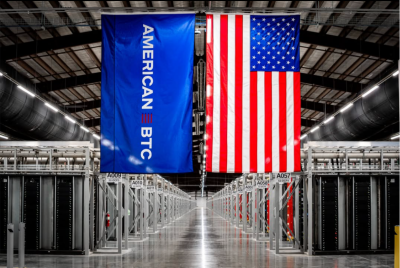
The disclosure attributes more than $580 million in income directly to crypto-related activities. That includes roughly $515 million from token sales linked to World Liberty Financial, a company connected to the Trump family, and about $65 million from associated equity sales.
Then there is the meme coin. The filing lists around $635 million tied to the TRUMP token, a figure that pushes the family's total crypto exposure well beyond $1 billion and into territory that even seasoned market watchers might find striking.
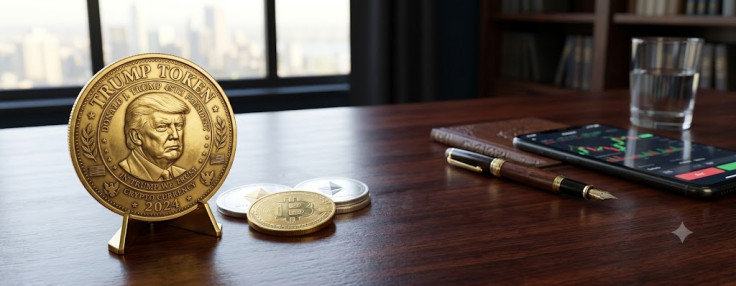
Put simply, crypto is no longer a side bet here. It is the main event.
Ethics experts have repeatedly raised concerns about the overlap between Trump's financial interests and his role in shaping regulatory policy. The disclosure itself does not resolve those concerns, but it does sharpen them. A sitting president with this level of exposure to digital assets inevitably invites questions about influence and oversight.
On X and Reddit, supporters framed the figures as proof of business acumen and adaptability in a changing financial landscape. Critics, meanwhile, questioned the optics of such extensive crypto involvement while in office, with some users calling the scale 'wild' given ongoing regulatory debates in the US.
Nothing in the filing suggests illegality. But it does underline how blurred the lines between politics, finance and emerging tech have become.
Melania Movie Deal Adds Millions
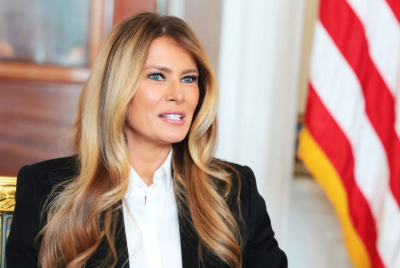
Melania Trump's earnings, detailed separately in the same disclosure, offer a parallel story of how media and branding continue to generate substantial income for the family.
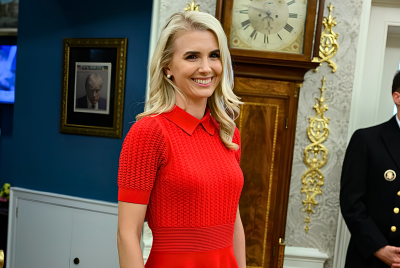
The First Lady reported $10.7 million in net proceeds from a licensing agreement tied to her documentary film, Melania. A related publishing deal connected to the film brought in more than $500,000.

She also disclosed over $6 million from another licensing agreement covering NFTs and collectible products, reinforcing the family's broader push into digital assets beyond Donald Trump's own ventures.
Political figures monetising personal brand through entertainment is not new, but the scale and integration with digital marketplaces mark a noticeable evolution. Film, NFTs, licensing, it is all part of the same ecosystem now.
There is, however, limited public detail about the specific terms of these agreements or the counterparties involved. IBTimes UK cannot independently verify the underlying contracts, so the figures should be read as reported disclosures rather than audited commercial breakdowns.
Beyond Crypto And Real Estate
The disclosure goes well beyond crypto headlines. It sketches a sprawling investment portfolio that includes holdings in major corporations such as Apple, Microsoft, and Amazon, as well as exchange-traded funds valued in the millions to tens of millions of dollars.
There is also a substantial allocation to municipal and corporate bonds, generating steady interest income across sectors and regions. That kind of diversification suggests a strategy balancing high-risk digital bets with more conventional, income-generating assets.
Trump's continued ties to business entities are also documented. He remains listed as president of the Mar-a-Lago Club and held roles in CIC Digital LLC and CIC Ventures LLC into early 2025. The filing also notes his position as chairman of the John F. Kennedy Centre for the Performing Arts from February 2025.
These overlapping roles, financial, corporate and cultural, add another layer to the broader conversation about influence. Where one sphere ends, and another begins, is not always obvious.
The disclosure even includes non-cash gifts, from tickets to major sporting events to a statue commemorating the assassination attempt Trump survived in Pennsylvania. It is an eclectic mix, almost surreal in places, and a reminder that presidential financial filings often double as snapshots of political theatre.
What emerges overall is not just a ledger of income but a portrait of transformation. Real estate is still there, but it no longer dominates the narrative. Crypto, media and digital licensing have taken that space, reshaping both the scale and the structure of the Trump family's wealth.
And for critics and supporters alike, that shift raises the same lingering question. Not whether it is profitable, clearly it is, but what it means when political power and rapidly evolving financial markets intersect so directly, and so lucratively.
As the 2026 political cycle intensifies, these 927 pages are likely to become a focal point of debate. They do not merely list income—they map the transformation of an American icon from a bricks-and-mortar developer into a titan of the digital age.
© Copyright IBTimes 2026. All rights reserved.
- Recommended For You