

Trump's Dallas GOP Convention May Have Backfired by Spotlighting Successors, Michael Wolff Says
Michael Wolff says Trump's Dallas GOP convention inadvertently spotlighted potential Republican successors, including JD Vance, as questions grow over the party's post-Trump future

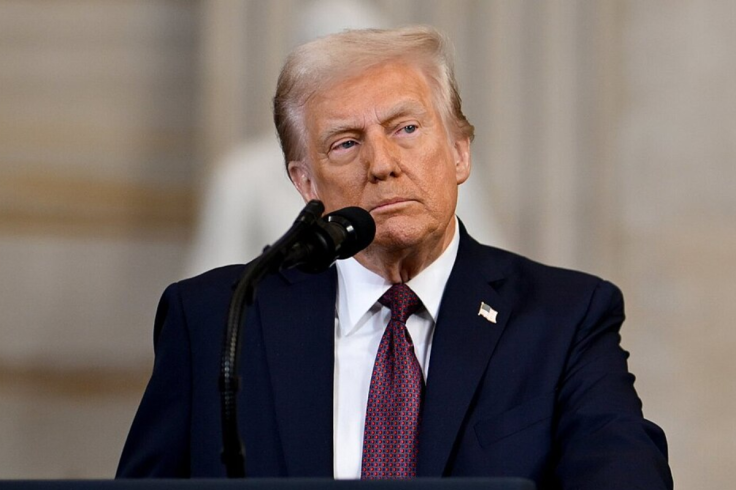
President Donald Trump's Republican midterm convention in Dallas gave potential successors an unexpected national platform, according to author and Trump biographer Michael Wolff, who argued that the audience highlighted questions about the party's future beyond Trump.
The Republican Party held its first midterm convention at the American Airlines Center in Dallas on 9 and 10 September.
The unusual gathering, championed by Trump ahead of November's congressional elections, was intended to rally Republican voters as the party seeks to retain its majorities in Congress.
Trump remained the dominant figure at the convention, but the event also highlighted Republicans who could emerge as contenders for the party's 2028 presidential nomination.
Trump Convention Brings Republican Succession Into Focus
Speaking on The Daily Beast podcast Inside Trump's Head, Wolff argued that the Dallas convention had an unintended consequence: it put potential post-Trump Republican leaders before party activists.
'It suddenly gave a platform to the people who are going to be running to replace him,' Wolff said, as reported by The Daily Beast.
Republicans discussed possible future contenders, including Vice President JD Vance, Secretary of State Marco Rubio, Texas Sen. Ted Cruz and Florida Gov. Ron DeSantis. The convention did not establish a consensus around any potential candidate, and none has been established as the party's 2028 nominee.
Vance nevertheless attracted particular attention during the gathering. As he addressed attendees on 10 September, a supporter shouted 'JD 48,' prompting others to join in, according to The Associated Press. The reference suggested support for Vance becoming the 48th president of the United States.
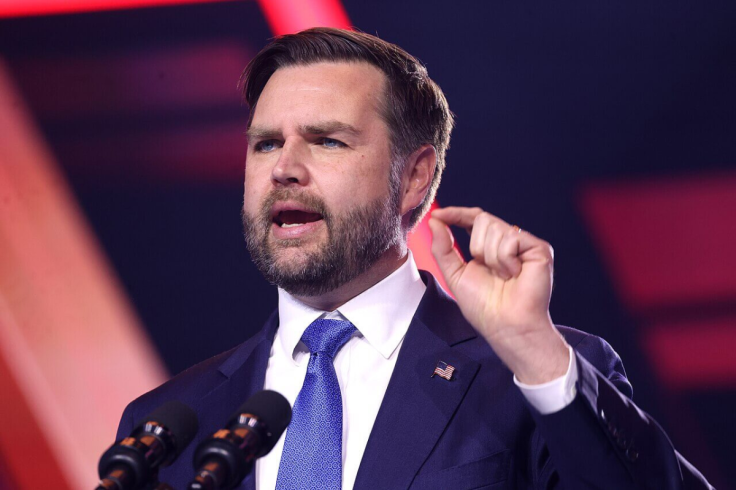
Wolff interpreted the attention around Vance as evidence that preparations for a possible future campaign were taking shape, saying 'the JD machine is now gearing up.'
That assessment remains Wolff's interpretation. Vance has not been established as the Republican nominee for 2028, and the Dallas convention took place more than two years before the next presidential election.
The political backdrop is also challenging for Republicans ahead of the November midterms. A Reuters/Ipsos poll published on 14 September put Trump's approval rating at 35%, up from a record low of 33%.
Democrats led Republicans 44% to 37% when respondents were asked which party they would support in congressional elections. National polling, however, does not determine the outcome of individual House and Senate races.
Wolff Speculates About Trump's Influence After Office
Wolff also offered a broader interpretation of how Trump might respond to a Republican successor eventually becoming president.
He argued that being politically eclipsed by another Republican would be difficult for Trump, framing succession as a potential source of tension once the current administration approaches its end. The comments represented Wolff's assessment of Trump's political psychology rather than an established account of the president's private thinking or intentions.
The White House did not immediately respond to the request for comment on Wolff's remarks.
Wolff went further by speculating that Trump could remain deeply involved in Republican politics after leaving the presidency, potentially operating from his Mar-a-Lago estate in Florida.
He described such a hypothetical position as that of a 'president in exile,' suggesting Trump could continue trying to exert influence over the Republican Party without holding the presidency. The report did not establish that Trump has developed, approved or publicly discussed such a plan.
Wolff's argument ultimately centres on the contrast between the convention's immediate electoral purpose and its possible longer-term political effect. The Dallas gathering was designed to promote Republican unity and energise voters before the midterms, but it also provided a highly visible setting for party members to consider who might eventually follow Trump.
For now, speculation about 2028 remains just that. The Republican Party has not selected a presidential nominee, and the political ambitions of figures discussed during the Dallas gathering remain separate from Wolff's interpretation of what the convention may mean for Trump's future influence.
© Copyright IBTimes 2026. All rights reserved.
- Recommended For You


