

Trump Says 'Discombobulator' Fried Russian And Chinese Gear in Maduro Operation, But 'Can't Talk About It'
US President claims undisclosed weapon crippled enemy systems during Maduro capture
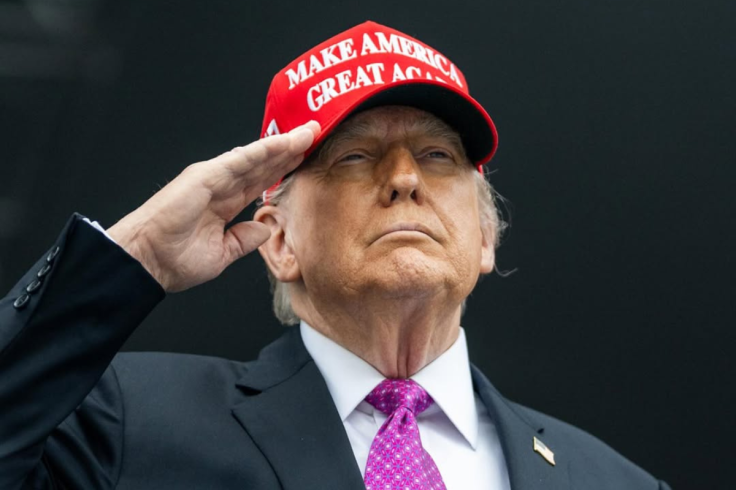
US President Donald Trump has claimed that a previously undisclosed American military capability, which he called the 'Discombobulator', played a decisive role in the early‑January operation that captured Venezuelan President Nicolás Maduro, asserting it rendered advanced Russian and Chinese defence systems inoperable, but he declined to offer any specific evidence about the device or its effects.
In a sharp departure from standard accounts of covert operations, Trump told The New York Post that the weapon made adversary equipment 'not work', and that forces loyal to Maduro were unable to launch any of their Russian‑ or Chinese‑supplied rockets during the mission. He added that he was 'not allowed to talk about it', underscoring the purported classified status of the system.
The president's comments mark the first public reference by a US head of state to this capability. The disclosure comes amid intense global scrutiny of US intervention in Venezuela, a complex campaign involving military, diplomatic and economic tools that has deeply strained relations with Caracas and allied powers.
Trump's Claims and the Maduro Operation
United States special operations forces carried out a high-risk mission in Caracas that resulted in the arrest of Venezuelan President Nicolás Maduro and his wife, Cilia Flores, on federal narcoterrorism charges. Maduro and Flores were flown to the United States shortly after the operation; they have pleaded not guilty in Manhattan federal court.
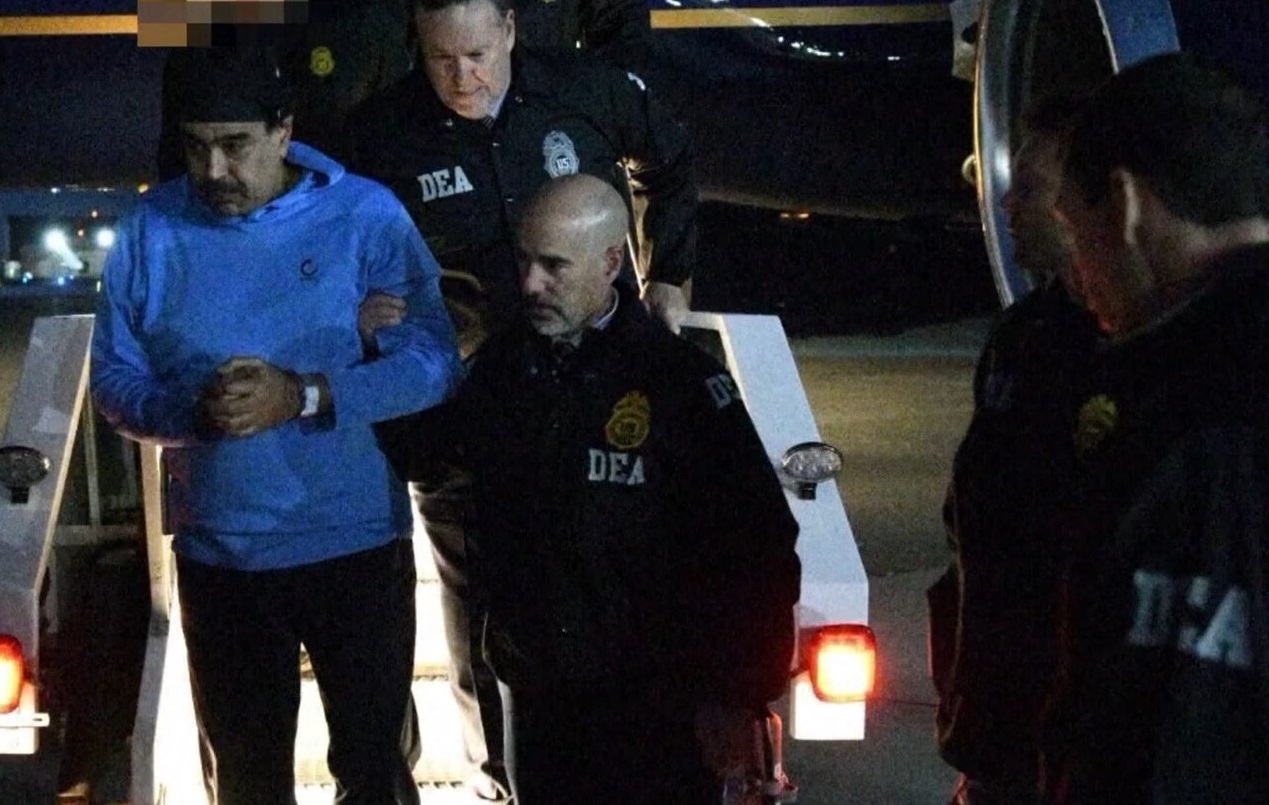
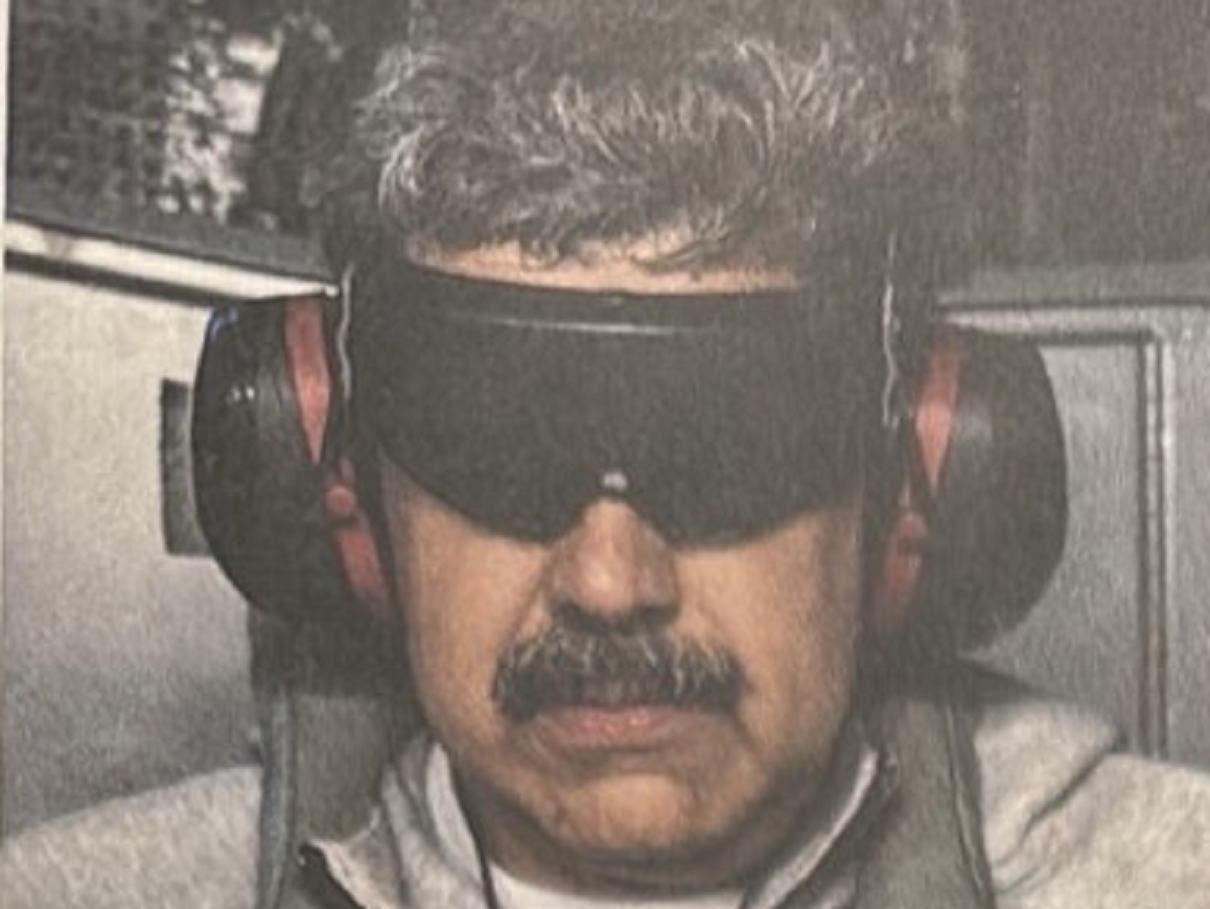
The operation, described internally as Operation Absolute Resolve, involved elite units including Delta Force and was supported by intelligence from the Central Intelligence Agency. US leadership characterised it as a law-enforcement action supported by military precision, although Venezuelan officials denounced the raid as an unlawful 'kidnapping' and a breach of international law.
In the New York Post interview, Trump specifically cited the so-called Discombobulator when pressed about how US forces were able to navigate airspace defended by an array of surface-to-air missiles and radar systems supplied by Russia and China without triggering effective retaliation. 'They had Russian and Chinese rockets, and they never got one off,' he said. 'We came in, they pressed buttons and nothing worked.'
🚨 BREAKING: President Trump just revealed the US military used a secret weapon called “The Discombobulator” to capture Maduro in the raid!
— Gunther Eagleman™ (@GuntherEagleman) January 24, 2026
It fried ALL their gear, including Chinese and Russian rockets.
“They pressed buttons and nothing worked,” Trump told NY Post. “I’m not… pic.twitter.com/z4m1fI5ecV
While Trump declined to expand on what the weapon does or how it functions, administration officials have previously alluded to classified technical systems capable of disabling electronic systems and communications. A brief White House request for comment on Trump's latest remarks remained unanswered at the time of publication
Hard Claims, Sparse Evidence
There is no independently verified public evidence confirming the existence or operational use of a weapon matching Trump's description. US government officials and the Pentagon have not released technical briefs, operational evaluations, or declassified summaries relating to the so-called Discombobulator. Previous US defence research programmes, such as electronic warfare jamming systems or directed‑energy technologies, have been documented at various stages of development, but not under this name and not in confirmed operational use.

Analysts observing Trump's comments note that while the United States has historically invested heavily in electronic warfare and cyber capabilities, public confirmation of a single device that could instantaneously nullify advanced integrated air defences and communications is unprecedented. Formal US military doctrine typically avoids discussion of specific classified systems, and capability disclosures are rare outside formal declassification proceedings or unclassified oversight testimony.

Beyond the president's statements, secondary accounts from Venezuelan sources and social media posts linked to White House briefing remarks have described sudden defensive failures and physiological effects among Maduro's guards during the raid, such as nosebleeds and dizziness. These reports have resurfaced speculation about directed-energy or pulsed-energy weapons, though they remain anecdotal and unverified by forensic investigation.
Strategic and Legal Context
The broader US mission in Venezuela has already generated intense geopolitical debate. The Trump administration has justified the intervention by asserting inherent constitutional authority and pointing to long-standing allegations of Maduro's involvement in international narcotics trafficking and terrorism-related activities. Caracas, Moscow and Beijing have condemned the operation, each characterising it as an unlawful use of force in the Western Hemisphere.
Beyond military tactics, Trump has indicated that the United States may play an interim governance role in Venezuela, with economic priorities including the restoration of oil production. Maduro's interim successor, Delcy Rodríguez, has engaged with US diplomats, though many Maduro loyalists inside Venezuela reject US authority outright.
Even as the world awaits further clarification, Trump's announcement has already rolled through military, diplomatic and academic circles, underscoring the opaque nexus between classified capability and public accountability in contemporary warfare.
Trump's extraordinary claim about a secret weapon that allegedly neutralised Russian and Chinese systems in Venezuela raises profound strategic and legal questions that Washington has yet to publicly answer.
© Copyright IBTimes 2026. All rights reserved.