

Trump Shifts Focus to Renovating DC Golf Courses Before Healthcare Subsidies Expire
With Obamacare tax credits set to lapse and millions at stake, the White House steps into municipal golf course management
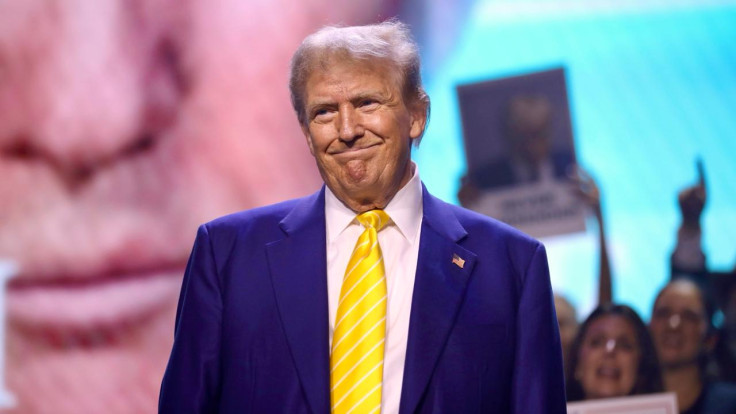
Trump has turned his attention sharply from a pending healthcare policy crisis to an ambitious plan to renovate Washington, D.C.'s public golf courses. The move has drawn scrutiny from city residents, golf advocates and federal watchdogs who say the timing and approach reflect a larger strategic and political gamble at a moment when millions of Americans face rising health insurance costs.
Presidential Priorities: Golf Over Healthcare
Trump's recent years in office have featured an unusual blend of cultural, recreational and policy initiatives, but none have been as conspicuous, or controversial, as his sudden pivot to public golf course development in the federal capital while the healthcare subsidy issue gains urgency.
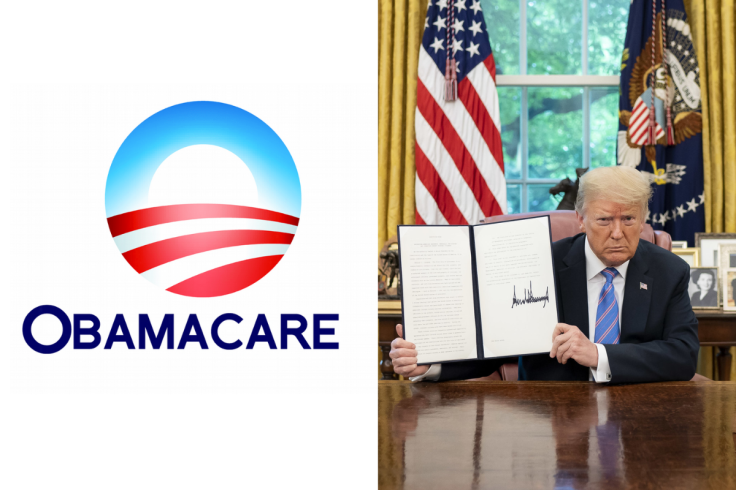
Key subsidies under the Affordable Care Act, which reduce premiums for roughly 20–24 million Americans, are slated to expire at the end of 2025 unless Congress acts. Trump and senior Republican leaders have resisted extending them, arguing that funds should go directly to individuals rather than insurance companies.
That policy direction has deep implications for health coverage and costs nationwide at a time when millions face sharply rising premiums and possible loss of coverage. Independent health policy analyses show that without these tax credits, many enrollees would likely drop plans, and overall premiums could surge.
Yet while these high-stakes debates continue, Trump has publicly embraced a project far removed from healthcare policy: substantial upgrades to a set of municipal golf courses along the Potomac and throughout Washington, D.C.
D.C. Golf Courses Under the Spotlight
At the centre of this new presidential initiative is East Potomac Golf Links, a public course owned by the National Park Service and historically managed under a 50-year lease by the nonprofit National Links Trust (NLT). The Trust's mission has been to rehabilitate East Potomac along with Rock Creek and Langston golf courses while maintaining affordable access for local players.
However, the Trump administration has now alleged that the NLT violated terms of its lease and issued a formal notice of default; a step that could pave the way for federal takeover of the courses. Interior Secretary Doug Burgum, a key backer of the project, described East Potomac as 'in total disrepair' and endorsed a vision of restoring it to premier status, potentially under a new name such as 'Washington National Golf Course'.
Critics point to recent activity on the site, including the unexplained transport of excavation soil from the Trump White House's East Wing renovation project to the golf course's terrain, which has fuelled local speculation. The NLT has pushed back, stating that it 'respectfully disagrees' with the default characterisation and remains open to partnership with the administration on renovation goals.

Budgetary Questions
D.C. residents and golf advocates have expressed mixed sentiments about the president's involvement. Some welcome the idea of upgrading aging municipal courses, but others worry about potential cost increases that could price out everyday golfers. Historically, green fees at East Potomac have been as low as £7 ($10) for juniors and £36 ($47) for adults, making it one of the more accessible public golf facilities in the region.
There are broader budgetary concerns as well. The golf effort joins a growing portfolio of Trump's capital projects, from the controversial demolition of the White House East Wing to make way for a new ballroom: a £273m ($350m) construction that has also drawn a preservation lawsuit under federal historic-review laws.
Opponents of the golf initiative argue that scarce federal and local resources might be better directed toward pressing public needs, such as healthcare funding, infrastructure maintenance or affordable housing. They point to the optics of expending political capital and administrative attention on recreation facilities at the precise moment that the healthcare safety net is under threat.
The juxtaposition of golf course ambitions and a faltering healthcare safety net highlights a deeper political narrative. Supporters of the Trump administration frame the golf renovation as an effort to revitalise public spaces and enhance quality of life in the capital. They argue that leadership should include attention to civic amenities and cultural infrastructure alongside core legislative responsibilities.
Critics counter that health and economic security issues deserve unequivocal priority over recreational projects, especially when millions of Americans face tangible policy consequences within weeks. They see the president's actions as emblematic of misplaced priorities at a moment of national policy urgency.
With Congress returning from recess and a narrowing window to act on the expiring subsidies, the coming weeks are likely to reveal whether the administration will recalibrate its focus or double down on its current path.
© Copyright IBTimes 2026. All rights reserved.