TrumpRx Promises Cheaper Drug Prices — but Most Americans May Not Save a Dime
The TrumpRx programme allows Americans to buy a limited range of prescription drugs at cash prices through an online portal, bypassing insurance
The White House has launched a new prescription drug pricing initiative known as TrumpRx, which it has described as a way to reduce the cost of medicines by allowing Americans to buy some treatments directly from manufacturers at discounted prices.
The programme, promoted by the administration of US President Donald Trump, operates through an online portal that lists prices for a limited range of prescription drugs, including treatments used for diabetes and obesity.
While the initiative has been marketed as offering substantial savings, health policy specialists say its design means many Americans, particularly those with health insurance, are unlikely to see lower out-of-pocket costs.
How TrumpRx Is Designed to Work
TrumpRx was introduced earlier this year as a federal effort to bypass traditional insurance pricing structures and offer consumers direct access to lower drug prices. The portal lists cash prices for medicines supplied by participating manufacturers, with patients paying out of pocket at pharmacies or through designated channels.
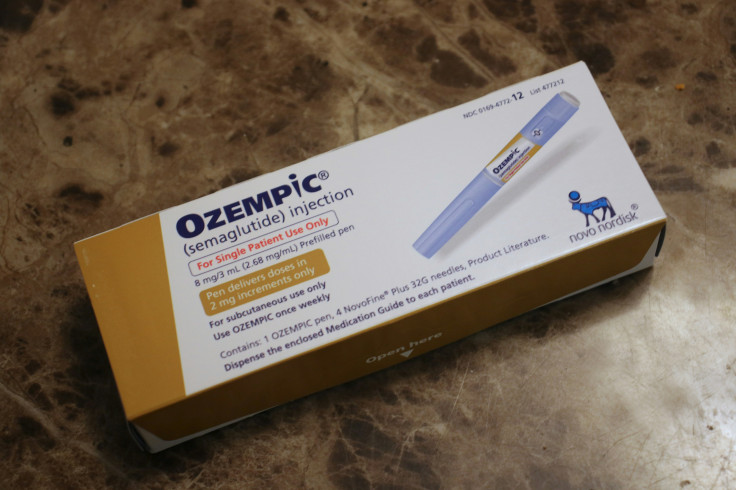
Promotional material highlights discounts on drugs such as Wegovy and Ozempic, which can cost more than $1,000 a month at list price, or about £740. The administration has said the initiative uses a 'most-favoured-nation' pricing model, intended to align US drug prices more closely with those paid in other developed countries.
White House press secretary Karoline Leavitt described the programme as a step towards improving affordability, saying it would help reduce costs for patients facing high prescription prices.
TONIGHT AT 7PM: President Trump, Dr. Oz, and National Design Studio Director Joe Gebbia will be officially unveiling TrumpRx — a state of the art website for Americans consumers to purchase low cost prescription drugs. This historic announcement will save millions of Americans…
— Karoline Leavitt (@PressSec) February 5, 2026
IT'S HERE: Finally, a direct to consumer website designed to find the lowest drug prices for YOU.https://t.co/jjnWOhcipw pic.twitter.com/p0aoOJ8xtg
— The White House (@WhiteHouse) February 6, 2026
Starting tonight, America is experiencing the LOWEST drug prices FOR THE FIRST TIME EVER.
— The White House (@WhiteHouse) February 6, 2026
MUST WATCH: President Trump breaks down the MASSIVE savings on common prescriptions. Americans are finally winning big ⬇️⬇️ pic.twitter.com/XGkj8ZPJe4
Why Savings May Be Limited for Many Patients
Health policy specialists say the potential benefits of TrumpRx depend heavily on a patient's insurance status. The prices listed on the portal apply only to direct cash purchases and do not involve insurance plans, including employer-sponsored coverage or Medicare.
The Kaiser Family Foundation has noted that insured patients often pay lower amounts through existing cost-sharing arrangements, such as fixed co-payments or coinsurance. In those cases, the TrumpRx cash price may not offer a saving.
Juliette Cubanski, a senior director at the foundation, said insured patients are also affected by the fact that purchases made through TrumpRx do not count towards insurance deductibles or annual out-of-pocket limits.
'For most people with health insurance, it may be difficult for these prices to improve on what they already pay when they use their coverage,' Cubanski said.
they are getting rid of fat people. https://t.co/VweWgzUhoK pic.twitter.com/RiS5gLSuxE
— Dip Wheeler (@DipWheeler) February 6, 2026
In other words, the US was paying for the rest of the world's healthcare. Now we aren't, thanks to President Trump. https://t.co/cPjTKK8q6R
— unseen1 (@unseen1_unseen) February 5, 2026
🚨 @DrMakaryFDA on TrumpRx: it lets Americans BYPASS THE MIDDLEMEN and buy prescription drugs DIRECTLY from manufacturers
— Laura Ingraham (@IngrahamAngle) February 6, 2026
“The complexity experiment failed. That was Obamacare.”
Makary says middlemen have siphoned BILLIONS out of health care — and many drugs cost LESS paying… pic.twitter.com/uk21km3deN
Structural Limits of the Programme
TrumpRx also faces practical limits that may constrain its scope and reach. Participation by pharmaceutical manufacturers is voluntary, and several major companies have yet to finalise pricing agreements, meaning only a subset of medicines is currently available through the portal.
The programme relies on a direct-to-consumer model, which requires patients to navigate a separate online system and pay in cash. This approach may be less accessible for older patients or those accustomed to filling prescriptions through insurance-linked pharmacies.
Political Context and Next Steps
Drug pricing remains a prominent political issue in the United States, and TrumpRx has been presented by the White House as evidence of action to address high medicine costs. Critics argue the initiative highlights the difficulty of delivering broad savings without wider changes to insurance design and drug pricing regulation.
🚨🇺🇸 TRUMP: OZEMPIC PRICE WILL BE SLASHED FROM $1,000 TO $199
— Mario Nawfal (@MarioNawfal) February 6, 2026
Trump really just made Ozempic cheaper than a month of groceries.
America is about to get skinny whether it wants to or not😂pic.twitter.com/BzQVARpsSk
For now, TrumpRx is expected to offer lower prices in specific cases, particularly for uninsured patients paying full list prices. For most insured Americans, however, the impact on what they pay at the pharmacy is likely to be limited.
© Copyright IBTimes 2026. All rights reserved.
- MOST POPULAR IN World