Trump Nicknamed Himself the 'Fertilisation President' — CDC Has Now Confirmed the Birth Rate Is at a Historic Low on His Watch
CDC Data Shows Decline in US Birth Rates Despite Trump's Fertility Policies

America's birth rate has hit a record low, according to federal data released the same week Donald Trump publicly nicknamed himself the 'fertilisation president.'
On 9 April 2026, the Centers for Disease Control and Prevention's National Center for Health Statistics published provisional birth data showing the United States recorded approximately 3.6 million live births in 2025, a 1% decline from the prior year and the lowest figure in the nearly two decades of continuous decline the agency has tracked. The report landed just weeks after Trump, at a White House Women's History Month celebration on 12 March 2026, told the assembled crowd: 'I'll be known as the fertilisation president and that's OK.' The juxtaposition drew immediate attention.
Trump has positioned his administration as a champion of family formation, citing executive orders on in vitro fertilisation access and a proposed drug-pricing platform for fertility medications. The CDC's data complicates that narrative considerably.
What the CDC's Provisional 2025 Birth Data Actually Shows
The NCHS provisional report, released on 9 April 2026 as part of the agency's Vital Statistics Rapid Release series, is drawn from 99.95% of all birth records received and processed through the National Vital Statistics System as of early February 2026. The general fertility rate, defined as the number of births per 1,000 women aged 15 to 44, fell 1% from 2024 to reach 53.1. That figure represents a decline of nearly 23% since 2007, when the rate stood at its modern peak.
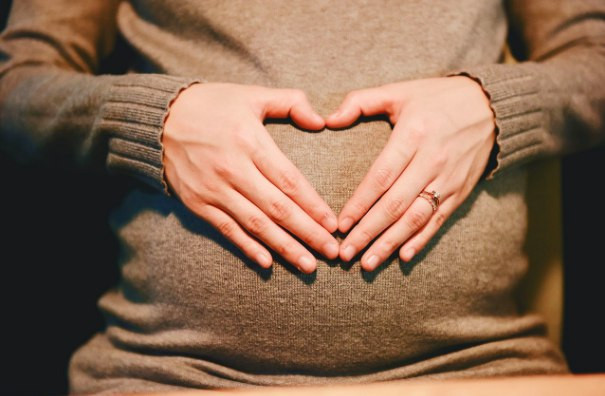
The steepest declines occurred among the youngest age groups. The birth rate for teenagers aged 18 to 19 dropped 7%, while the rate for those aged 15 to 17 fell 11%, both reaching record lows. Birth rates among women aged 25 to 29 declined approximately 4.4%, a group that has historically anchored American fertility figures. Modest gains among women in their early 30s, where the rate for those aged 30 to 34 rose roughly 2.7% from 2024, did not offset losses elsewhere in the age distribution.
NCHS analysts described the 2025 figures as consistent with the multi-year trajectory rather than an isolated statistical anomaly. Phillip Levine, an economics professor at Wellesley College cited in Reuters coverage of the report, pointed to 'greater and more demanding job market opportunities, expanded leisure options, increased intensity of parenting' as factors making the option of children less desirable to younger women.
Trump's 'Fertilisation President' Claim and the IVF Policy Record
Trump has used fertility-linked language to court female voters since the 2024 campaign, when he repeatedly described himself as the 'father of IVF' at town hall events for women. In February 2025, he signed an executive order directing his domestic policy staff to submit recommendations on expanding IVF access and reducing costs. The order set a 90-day deadline; those recommendations were not publicly released within that window.
In October 2025, the White House announced a partnership with drug manufacturer EMD Serono to reduce out-of-pocket costs on common IVF medications by up to 84% off list prices, distributed through a new government platform, TrumpRx.gov, which launched on 5 February 2026.
At the 12 March 2026 White House event, Trump's 'fertilisation president' remark was unscripted. According to the full event transcript compiled by Roll Call's Factbase, the comment emerged as he touted fertility-related policy, prompting laughter from the crowd. 'I've been called much worse and actually, I like it,' he said.
The White House's formal Women's History Month proclamation, signed 12 March 2026, cited expanded child tax credits, TrumpRx pricing, and Title IX enforcement as evidence of his administration's commitment to women and families.
Teen Birth Rates at Record Lows Underscore Broader Structural Shift
Among the NCHS report's most significant findings are the continued collapse in teenage birth rates. At 11.7 births per 1,000 females aged 15 to 19, the 2025 teen rate reflects a sustained multi-decade decline that predates the current administration and crosses party lines. The rate for those aged 15 to 17 fell 11% in a single year, the sharpest age-group decline in the report.
NCHS analysts noted that birth rates among women in their 30s and 40s have risen modestly over the past decade, a pattern consistent with delayed childbearing rather than permanent childlessness. Women aged 30 to 34, for instance, saw a 2.7% increase in birth rates from 2024. But those gains remain too small to counterbalance the sustained falls among younger women, particularly those aged 25 to 29, where the 4.4% single-year drop in 2025 is among the most demographically consequential figures in the report.
Demographers have cautioned against attributing any single year's figures to a specific administration's policies. The fertility rate's two-decade decline began in 2007, running through the Obama, Trump, Biden, and second Trump administrations alike. What the CDC's 9 April 2026 report makes plain is that no policy intervention to date has meaningfully altered the trajectory.
The United States now has fewer births per woman than at any point in recorded national history, and the president who calls himself the 'fertilisation president' is watching that number fall.
© Copyright IBTimes 2026. All rights reserved.
- Recommended For You