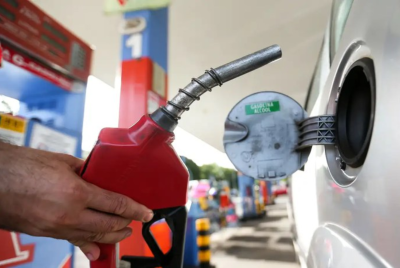
Trump Dismisses High Fuel Costs: 'Everything Is Doing Really Well' Despite $4 Petrol Price
President Trump addresses high fuel costs, emphasizing economic resilience and geopolitical priorities.
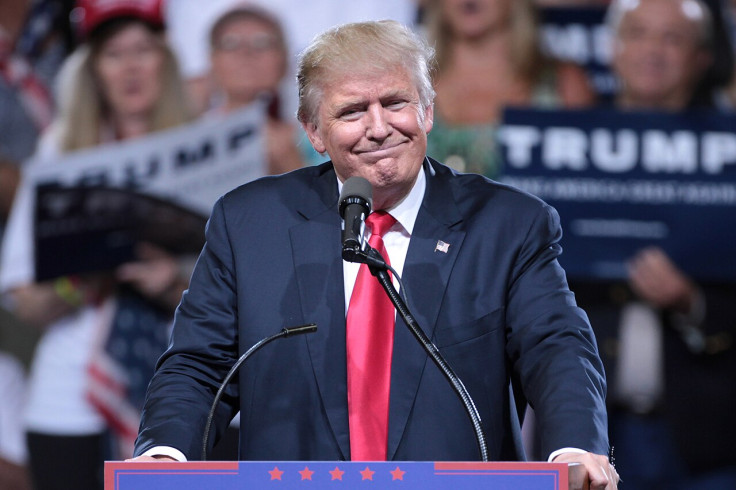
US President Donald Trump has downplayed concerns over high fuel costs, insisting 'everything is doing really well' even as petrol prices hover around $4 (£3.20) a gallon for many American drivers.
The remarks came during a press exchange following a policy announcement, where Trump was pressed on how long Americans would continue to face elevated fuel prices. His response, which also referenced stock market performance and geopolitical priorities, has drawn renewed scrutiny over the administration's economic messaging.
The exchange underscores a widening gap between official economic optimism and the lived experience of households grappling with persistent cost pressures.
Trump Downplays Fuel Costs In Press Exchange
Trump made the comments when asked directly about sustained high petrol prices affecting American consumers. 'Well, they're not very high,' he replied, before adding that recent price movements suggested improvement.
He continued: 'If you look at the stock market's up, everything's doing really well,' shifting the focus from fuel costs to broader economic indicators. The President also framed the issue within a broader national security context, arguing that economic trade-offs must be considered alongside efforts to prevent Iran from acquiring nuclear capabilities.
'The big thing we have to do is make sure that Iran does not have a nuclear weapon,' Trump said, suggesting that geopolitical stability remains a central priority even amid domestic economic concerns.
Q: How much longer will American continue to see these high gas prices?
— Aaron Rupar (@atrupar) April 16, 2026
TRUMP: Well, they're not very high
Q: $4 a gallon still
TRUMP: That's what ABC says, but the stock market is up. Everything is doing really well. pic.twitter.com/yIxHXKqXII
Fuel Prices Remain Elevated For US Drivers
Despite Trump's assertion, available data indicates that fuel prices have remained elevated compared with historical norms. According to the US Energy Information Administration, national average petrol prices have fluctuated in recent months but have frequently approached or exceeded $4 per gallon in several states.
While prices have eased from peaks seen during earlier supply shocks, analysts note that regional disparities persist, with drivers in states such as California and New York often paying significantly more than the national average.
Energy economists attribute the sustained pressure to a combination of global crude oil dynamics, refining capacity constraints, and geopolitical tensions, particularly in the Middle East. These factors have contributed to volatility that directly affects household budgets.
For many Americans, fuel costs remain a visible and immediate measure of economic strain, particularly for those reliant on daily commuting.

Economic Indicators Versus Household Experience
Trump's emphasis on stock market performance reflects a broader administration narrative that highlights macroeconomic strength. Major indices have posted gains in recent periods, signalling investor confidence and corporate resilience.
However, economists caution that stock market performance does not necessarily translate into relief for average households. Wage growth has not uniformly kept pace with inflationary pressures, and essential costs, including fuel, food, and housing, continue to weigh on consumers.
This divergence between macroeconomic indicators and day-to-day expenses has become a recurring theme in political discourse, with critics arguing that headline economic gains can obscure underlying financial pressures faced by ordinary Americans.
Kamala Harris’s awkward gas station video is fueling new speculation about her 2028 presidential ambitions.
— Fox News (@FoxNews) April 16, 2026
The former vice president releasing a video from a North Carolina gas station attacking President Trump and his policies, blaming the war in Iran for higher fuel prices… pic.twitter.com/9NytmD6DZb
Geopolitical Context Shapes Economic Messaging
Trump's remarks also reflect the intersection between economic policy and foreign affairs. His reference to Iran and nuclear negotiations highlights the administration's attempt to frame economic challenges within a broader strategic context.
The US has long viewed Iran's nuclear programme as a critical security concern, and energy markets are highly sensitive to developments in the region. Any escalation or disruption can influence global oil supply, with immediate consequences for fuel prices.
The US Department of Energy has repeatedly noted that geopolitical events play a significant role in shaping energy costs, particularly in a globally interconnected market.
By linking fuel prices to national security priorities, Trump's response suggests that economic discomfort may be framed as a necessary trade-off in pursuit of broader stability.
Political And Public Reaction
Trump's comments have prompted mixed reactions from policymakers and the public. Supporters argue that the President is correct to highlight broader economic resilience and long-term strategic goals.
Critics, however, contend that dismissing fuel costs risks underestimating the financial pressure faced by millions of Americans. For households already managing rising expenses, petrol prices represent a tangible and unavoidable burden.
The exchange has also reignited debate over how economic success should be measured, and whether indicators such as stock market performance adequately reflect the realities of everyday life.
The tension between economic optimism and persistent cost pressures remains central to the debate over fuel prices in the United States.
© Copyright IBTimes 2026. All rights reserved.
- Recommended For You