Did Donald Trump Have a 'Full Meltdown'? Fiery White House Speech Sparks Fresh Health Concerns
Trump's furious response to the Supreme Court's IEEPA tariff ruling sparks health concens and online frenzy.

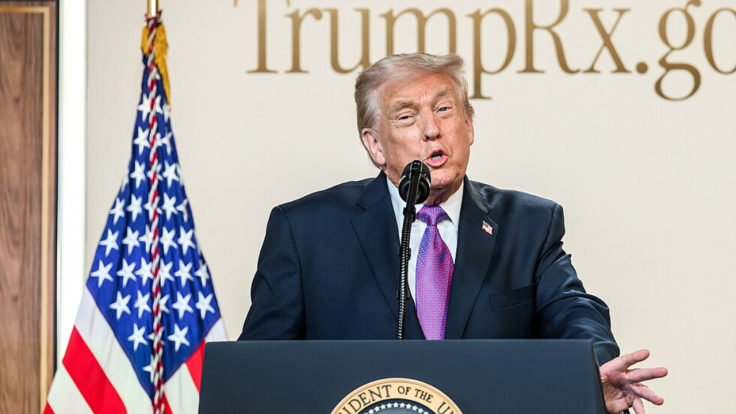
President Donald Trump unleashed a blistering attack on the Supreme Court from the White House on 20 February 2026, hours after a 6-3 ruling gutted his sweeping tariff policy under the International Emergency Economic Powers Act, igniting fresh speculation about his health amid claims of a 'full meltdown.'
Trump's aggressive tariff regime began early in his second term. In February 2025, he imposed duties on imports from China, Canada and Mexico, citing fentanyl trafficking and border crises.
In April, he introduced 'reciprocal tariffs' on nearly every trading partner, with rates of 10% to 41% on most goods. Challengers, including educational toy maker Learning Resources, argued these moves illegally bypassed Congress's constitutional power over taxes and trade. Lower courts agreed, setting the stage for the Supreme Court showdown.
Trump's White House Tirade Ignites Tariff Backlash
Chief Justice John Roberts's majority opinion was clear: IEEPA lets presidents 'regulate' imports in emergencies, but 'regulate' does not mean slapping on taxes or tariffs, a job reserved for Congress alone. Justices Gorsuch and Barrett, both Trump appointees, joined Roberts and the three liberals in the majority, applying the 'major questions doctrine' to slap down what they saw as an overreach on economic heavy-hitters. Dissenters Thomas, Alito and Kavanaugh argued that other laws could fill the gap, but the outcome was final, with all IEEPA-based tariffs ended by 24 February under Trump's executive order following Customs and Border Protection guidance.
Trump did not take the ruling quietly. Speaking at the podium, he described himself as 'absolutely ashamed' of the majority justices, calling them 'a disgrace to our nation' and an 'embarrassment to their families'. He criticised the logic of the decision, insisting it barred him from levying even 'one dollar' in response to unfair trade – a line echoing his original complaints, though amplified in transcripts.
'I read everything there is to read and I said, "Can't lose this case,"' he said, hinting without evidence that 'foreign interests' and 'slimeballs' had influenced the bench. In a twist, he framed the loss as a victory, claiming it clarified – and strengthened – his tariff powers under alternatives such as Section 122 or 301 of the Trade Act.
That same afternoon, he signed an order for a fresh 10% global tariff under Section 122, capped at 150 days to tackle balance-of-payments woes, while vowing Section 301 probes into dodgy foreign practices. Non-IEEPA levies, like steel and aluminium under Section 232, soldier on unscathed. Refunds for billions already collected – potentially $175 billion by some estimates – now fall to lower courts, with the Court of International Trade likely handling the mess.
Health Concerns Follow Trump's Fiery Outburst
Social media erupted. One X user branded it 'a full meltdown in real time,' capturing Trump raging one minute, whining the next. 'Holy s--t... What a big baby,' another posted, while a third demanded 'mental checkups in the best hospital.' Critics highlighted his volatility, noting earlier fatigue rumours and past cognitive test reports from his first term, though no doctor has commented since the speech.
Trump's team has dismissed the criticism. Past White House physician Ronny Jackson once vouched for normal cognitive screens, and the president maintains he is in peak health at 79. Yet the spectacle – personal jabs at Barrett and Gorsuch, threats of trade destruction via embargoes, and a 45-minute ramble swinging from fury to forced optimism – has fed the doubters. Supporters see classic Trump: combative, unbowed, already pivoting to new trade battles. Detractors detect decline, a man fraying under second-term pressures like ballooning national debt partly blamed on his duties.
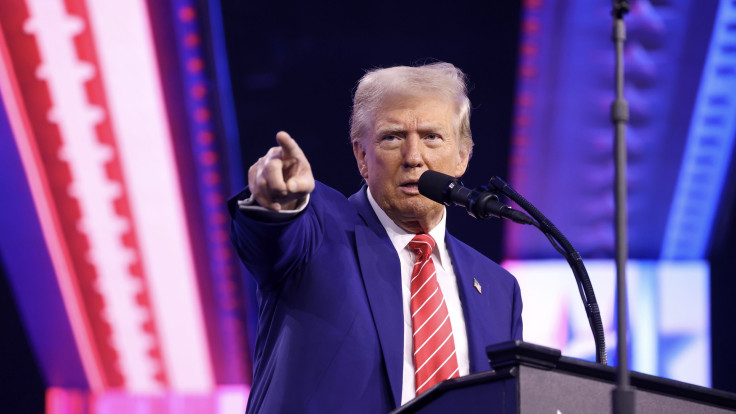
The fallout spreads widely. Businesses face potential refund chaos, while trading partners such as Cambodia, bound by now-weakened 'reciprocal trade agreements,' brace for renegotiations or worse. Trump threatens tariff hikes if they delay. Congress, sidelined for too long, may finally act – or not.
© Copyright IBTimes 2026. All rights reserved.
- MOST POPULAR IN Trending