

Uber Scraps Remote Work for 99% of Its Corporate Staff Whilst Simultaneously Slashing 3,300 Jobs
Uber's workforce faces significant changes with job cuts and a crackdown on remote work as the restructuring aims to simplify operations and focus on future investments, such as autonomous vehicles

Uber has announced plans to cut 3,300 jobs, described in reports as roughly 10 per cent of its global workforce, while also sharply reducing the number of fully remote roles so that only about one per cent of its corporate staff are expected to remain fully remote.
The San Francisco-based ride-hailing giant confirmed the sweeping restructuring on 2 September, sending shockwaves through its employee base and marking a change likely to disappoint many younger employees who value flexible working arrangements.
Remote Work Crackdown and Hub Consolidation
Uber has maintained a hybrid policy requiring three days a week in the office, but a significant number of employees had continued working remotely under exemptions to that policy.
Now, CEO Dara Khosrowshahi has made it clear that, going forward, only about 1 per cent of the workforce is expected to remain fully remote, with many employees being asked to work from designated hubs in New York, San Francisco, or regional offices.
Recent filings indicate the company employs roughly 14,600 people in the United States, with about a third of its global headcount based in the San Francisco Bay Area, where its headquarters and major offices are in San Francisco and Sunnyvale.
Drivers and couriers who use the Uber platform are not counted among those employees and, according to the company, are not affected by these corporate layoffs.
In a memo published on the company's website, Khosrowshahi said: 'We are removing layers, simplifying team structures, refining our global location strategy, and focusing our people and investments against the biggest opportunities ahead of us.'
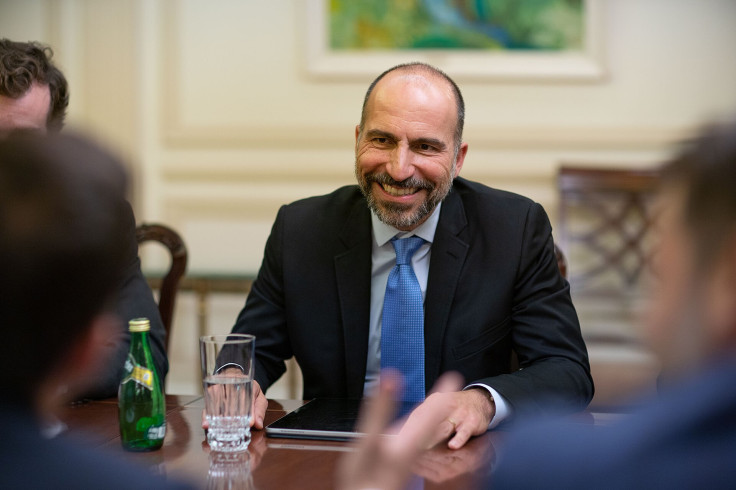
Khosrowshahi added that the changes were designed to 'make Uber simpler and faster, and create more capacity to invest in our future', with reports suggesting the company is prioritising autonomous vehicle development and a robotaxi strategy said to involve up to $10 billion in investment, in a market that includes rivals such as Waymo and Tesla.
The overhaul isn't just about jobs, though. As part of the strategic pivot, Uber is significantly scaling back its remote work policy, a further setback for workers who prioritise flexibility over traditional five-day office routines.
'Global teams will be concentrated in our largest global hubs, NY and SF; regional teams in designated regional hubs; local teams in country hubs; and tech teams in tech hubs,' Khosrowshahi wrote.
Stock Rises as Investors Back Restructuring
Uber expects only about 1 per cent of its workforce to remain fully remote, meaning many employees who have been working from home could instead be required to work regularly from one of the company's designated hubs.
'We'll also continue to reinforce compliance with our hybrid work policy, which requires three days a week in the office,' the memo added.
The move puts Uber firmly among the major companies tightening the screws on pandemic-era workplace flexibility. It's a reversal from the flexibility that helped attract so much talent during the hiring boom years.
Investors, meanwhile, appeared to like what they saw. Uber's stock rose about 2.4 per cent on Wednesday morning following the announcement, with shares remaining modestly positive later in the session as markets weighed lower costs against billions in robotaxi investment.
According to reports, the job cuts are concentrated in management and coordination roles, with the company planning to eliminate about 20 per cent of employees identified as sitting seven or more layers below the CEO and to cut in half the number of 'micro-teams' where managers had only one or two direct reports.
Following the latest cuts, Uber's workforce is expected to fall to just under 30,000, a level similar to its headcount earlier in the decade, according to the same reports.
Khosrowshahi told staff that 'this wasn't a decision we made lightly', but argued that Uber had become too complicated after five years of rapid growth. Whether a leaner Uber can outmanoeuvre autonomous rivals remains to be seen.
© Copyright IBTimes 2026. All rights reserved.