

Gaza Football Fans Gather Amid Ruins for World Cup Hours After Israeli Strike Kills Screening Coordinator
Palestinians gather to watch the World Cup, turning a moment of celebration into a poignant reminder of ongoing conflict
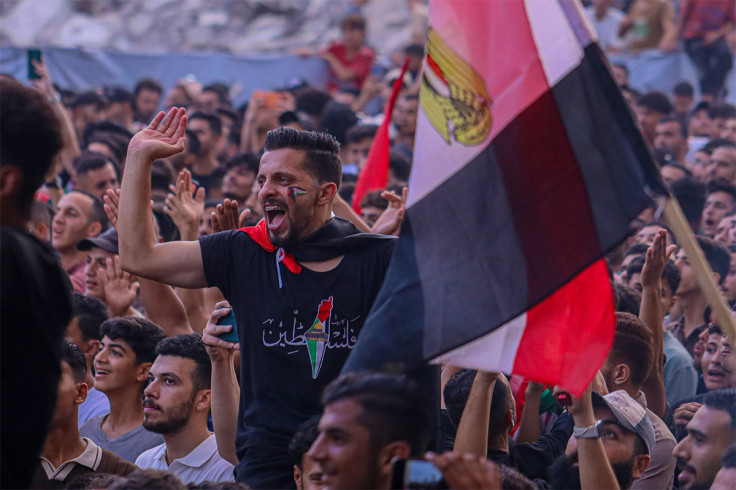
Hundreds of Palestinians gathered among the ruins of Gaza to watch the FIFA World Cup just hours after an Israeli air strike killed the aid worker who had helped organise the public screenings, turning what was intended to be a rare moment of celebration into another reminder of the war's continuing toll.
Mohamed al-Wahidi, director of public relations for the Egyptian Relief Committee in Gaza, was killed on Tuesday when an Israeli strike hit a vehicle in Gaza City's Sabra neighbourhood. Three other people, including two young boys, were also killed. The Israeli military said al-Wahidi was not the intended target and that the strike had been aimed at a Hamas militant travelling in the vehicle. It added that the incident is under review.
Who Was Mohamed al-Wahidi?
Al-Wahidi was widely known in Gaza for coordinating humanitarian aid efforts through the Egyptian Relief Committee, an organisation established to support Palestinians during the conflict.
In recent weeks, he had also become the driving force behind public World Cup screenings across the Gaza Strip. Using generators and outdoor projection screens, volunteers created makeshift viewing areas where displaced families could briefly escape the hardships of daily life and watch football together.
According to colleagues and family members, the screenings became symbols of resilience, bringing together communities living among destroyed buildings and temporary shelters despite ongoing insecurity.
How Did Football Bring People Together?
Despite widespread destruction, damaged infrastructure and limited electricity, large crowds have continued gathering throughout the tournament to watch World Cup matches.
Many Gazans rallied behind Egypt during the competition, viewing the neighbouring country's national team as a source of regional pride. Public screenings were organised by aid groups, local businesses and volunteers using generators to overcome Gaza's chronic power shortages.
Photos from the screenings showed children and adults sitting among collapsed buildings, waving Egyptian flags and cheering together despite the devastation surrounding them.
What Happened Before the Egypt-Argentina Match?
According to local health officials, al-Wahidi was travelling shortly before the World Cup Round of 16 match between Egypt and Argentina when the strike occurred.
The attack killed al-Wahidi, along with taxi driver Ahmed Daghmush and two brothers, Hamza and Fari al-Deri, aged 10 and eight. Hospital officials confirmed the casualties after the bodies were taken to Gaza City's Shifa Hospital.
The Israeli military said the intended target was a Hamas operative and stated that al-Wahidi was not the person being targeted. The military added that it regretted harm to uninvolved civilians and is reviewing the circumstances surrounding the strike.
Why Has the Story Resonated Around the World?
Al-Wahidi's death has drawn international attention because it came just before an event intended to provide a brief sense of normality for people living through more than two years of conflict.
For many residents, the World Cup screenings represented far more than football. They offered a chance for families to gather, celebrate and momentarily forget the destruction around them.
Although Egypt was ultimately eliminated from the tournament by Argentina, many Gazans continued attending the screenings, describing football as one of the few remaining opportunities for communal joy amid the ongoing humanitarian crisis.
The incident has also highlighted the continuing dangers facing humanitarian workers in Gaza, even during periods when ceasefire negotiations remain active. As investigations into the strike continue, al-Wahidi is being remembered by colleagues and mourners not only for his humanitarian work but also for creating rare moments of hope through the world's most popular sport.
© Copyright IBTimes 2026. All rights reserved.