

US Debt Surges 105% in a Decade to $40.2T as Widening Budget Deficit Pushes Interest Costs to $1.1T
Average annual federal deficits are expected to exceed $2.4 trillion over the next decade

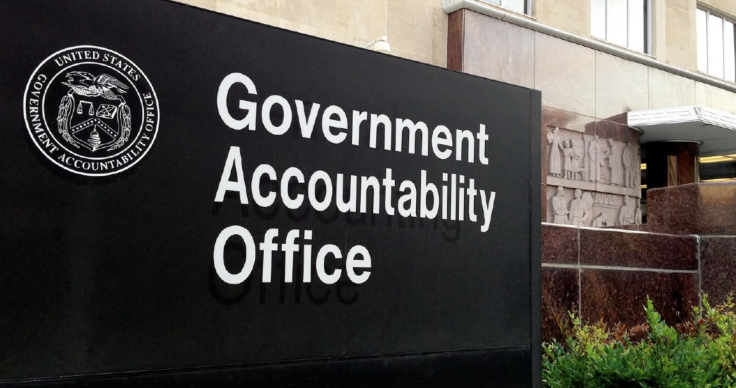
US federal debt has surged 105% in a decade to $40.2 trillion, while a widening budget deficit pushed interest payments on publicly held debt to nearly $1.1 trillion in fiscal 2026, exposing how years of deficit spending and higher borrowing costs are creating an increasingly expensive debt burden.
The figures, published in a 9th November report by the Government Accountability Office (GAO), show that federal debt increased from $19.6 trillion in fiscal 2016 to $40.2 trillion at the end of September 2026. The government added approximately $2.5 trillion to its outstanding debt in the latest fiscal year alone.
The underlying problem is that Washington continues to spend substantially more than it collects in taxes and other revenue, forcing the Treasury to borrow to cover the difference.
The Congressional Budget Office (CBO) also reported that the federal budget deficit reached $2 trillion in fiscal 2026, up $217 billion, or 12%, from the previous year. The shortfall was equivalent to 6.2% of US gross domestic product (GDP), considerably above the 50-year average of 3.8%.
Interest Costs Are Becoming a Major Budget Problem
The cost of financing America's accumulated borrowing is accelerating. Interest expense on debt held by the public nearly tripled in five years, climbing from approximately $392 billion in fiscal 2021 to $1.1 trillion in fiscal 2026, according to GAO.
The increase reflects both the growing amount of outstanding debt and higher interest rates. As older, lower-cost securities mature and the Treasury issues new debt at prevailing rates, refinancing can make the government's borrowing burden more expensive.
GAO's report puts total federal debt interest costs at approximately $1.4 trillion, while the $1.1 trillion figure specifically covers interest expense on publicly held debt.
This creates a difficult feedback loop: larger deficits require more borrowing, more borrowing increases outstanding debt, and higher interest rates make servicing that debt increasingly expensive.
Spending Is Growing Faster Than Revenue
Federal revenue increased just 3%, or $169 billion, in fiscal 2026. Meanwhile, government outlays rose 6%, or $386 billion. The largest spending increases came from major mandatory programmes, interest on public debt, and military activities at the Department of Defense.
Revenue growth was also weaker than anticipated. Collections came in $193 billion, or 3%, below the CBO's February 2026 baseline projection, partly because customs duties and corporate income tax receipts were lower than expected. The resulting deficit was $140 billion larger than the CBO had previously projected.
The consequences are becoming harder to ignore. Federal debt held by the public reached 100% of GDP in fiscal 2026, its highest level since 1946. This means the government owes investors roughly as much as the entire US economy produces in a year.
The burden also has a direct taxpayer dimension. USAFacts estimated that federal debt amounted to approximately $112,700 per American in 2025, based on the latest available population data.
More Borrowing Could Squeeze Consumers and Investors
The rising debt burden has implications beyond Washington's balance sheet. Heavy Treasury borrowing can put upward pressure on interest rates by increasing demand for financing in credit markets.
Higher government borrowing costs can also feed into mortgage rates and business loans, but note that market rates are influenced by several factors, including the US Federal Reserve policy and inflation expectations.
For investors, growing interest expenses could mean a larger share of federal revenue is committed to servicing existing obligations rather than funding other priorities. Higher Treasury yields may offer bond investors better income, but they can also weigh on stock valuations and increase financing costs for companies.
The outlook offers little immediate relief. GAO cited CBO projections showing average annual federal deficits exceeding $2.4 trillion over the next decade under current law.
Meanwhile, debt subject to the statutory borrowing limit had already exceeded $40 trillion on October 1, 2026, approaching the $41.1 trillion limit.
The GAO warned that the government's fiscal trajectory is unsustainable, urging Congress and the administration to develop a strategy linking borrowing decisions more closely to spending and revenue policies.
© Copyright IBTimes 2026. All rights reserved.