Warren Buffett Hands Over Berkshire Hathaway Chairman Role to Son Howard in Planned Succession
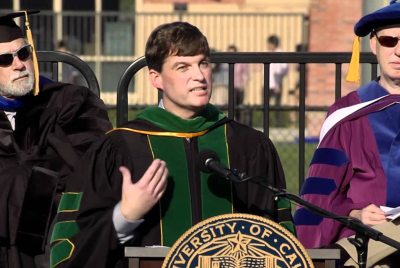
Howard G. Buffett will chair the board, while Greg Abel remains chief executive and Warren Buffett becomes chairman emeritus
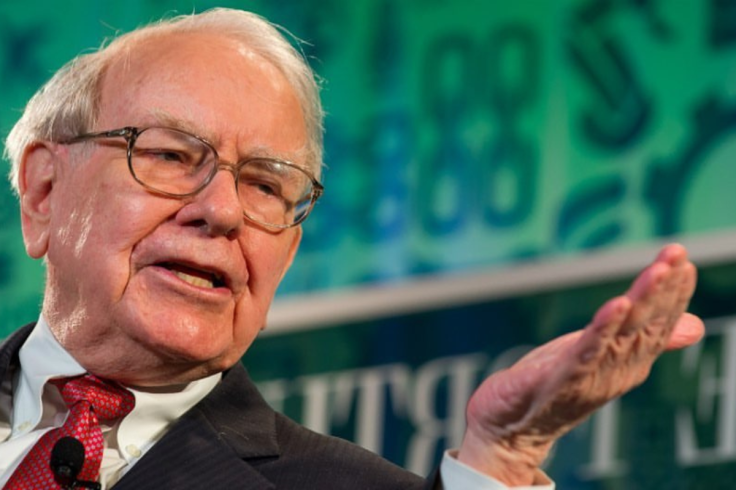
Warren Buffett has stepped down as chairman of Berkshire Hathaway, handing the chairmanship to his son Howard Buffett as the conglomerate completes a succession plan decades in the making.
The 96-year-old investor became chairman emeritus with immediate effect on Friday, 18 September, while remaining a director of the Omaha-based company he has helped shape since 1965.
The move follows Buffett's departure as chief executive on 1 January 2026, when Greg Abel succeeded him. Howard G. Buffett, a Berkshire director since 1993, will now chair the board, while Susan L. Decker will continue as lead independent director.
In practical terms, Berkshire's two top leadership roles are now divided. Abel serves as chief executive, while Howard Buffett chairs the board. Warren Buffett retains his board seat as chairman emeritus and will continue to provide what the company described as his 'valued judgement and perspective'.
That distinction matters at Berkshire Hathaway, where Buffett's annual letters, investment decisions and public remarks have long attracted close attention from investors. His presence on the board, even in an emeritus capacity, ensures a continuity that few public companies can claim.
Warren Buffett Hands Over Berkshire Hathaway Leadership
Berkshire Hathaway said its board elected Howard G. Buffett chairman in line with the company's 'long-standing succession plan'.
The appointment is not a surprise in the ordinary corporate sense, though few successions carry this much symbolic weight. Buffett has served as Berkshire Hathaway chairman since 1970 and has been associated with the company since 1965.
In a shareholder letter, Buffett framed the move with characteristic bluntness. 'Father Time always wins. He has, however, been generous with me,' he wrote.
He also sought to settle any doubt about who will be responsible for Berkshire's future. 'Greg runs the company; Howard will guard its culture and values, both worth more than anything on our balance sheet,' Buffett said. 'Think of Howard as a policy the shareholders own and hope never to claim against.'
The statement underscored the different responsibilities now held by Berkshire's executive and board leadership.
Abel, who became chief executive at the start of 2026, praised Buffett's influence in a company statement. 'Warren's impact on Berkshire and its owners is without parallel in the history of American business,' he said. 'The culture Warren built and the values he championed will remain at the heart of Berkshire, and Howard will be their guardian.'
Berkshire's announcement said Buffett will continue to offer his 'valued judgement and perspective' as chairman emeritus and a board member. That leaves an unusually visible role for a leader who has stepped back, rather than disappeared.
Warren Buffett's Berkshire Hathaway Legacy
Berkshire Hathaway traces its roots to a New England textile company before Buffett transformed it into a diversified conglomerate. It owns businesses across insurance, railways, energy, manufacturing and consumer goods, while its investment holdings have made every Berkshire disclosure a closely watched event.
The company became one of the first non-technology businesses valued at more than $1 trillion (£750 billion) in 2024, a milestone that underlined just how far Buffett had taken a business once rooted in a struggling textile manufacturer.
The numbers behind that reputation are striking. From 1965 through 2025, Berkshire reported a 19.7% compounded annual gain in per-share market value, compared with 10.5% for the S&P 500 with dividends included.
Those figures explain why investors still parse his letters for clues, even when he is writing about succession rather than stocks.
His wealth has largely been tied to Berkshire shares, though he has also given away roughly $66 billion of stock since 2006, according to current reporting. That philanthropy has reinforced the view of Buffett as more than a market operator, though Berkshire shareholders will be focused on something less sentimental: whether the system works without its architect in charge.
Howard Buffett's role will focus on the board and the preservation of Berkshire's culture and values, while Abel remains CEO. The board chairmanship gives Howard Buffett a formal role in protecting the decentralised structure, capital discipline and long-term outlook associated with his father.
Buffett wrote that he had 'never felt better about what comes next', after serving Berkshire for more than six decades.
Investors initially reacted cautiously, with Berkshire shares dipping in pre-market trading after the announcement.
© Copyright IBTimes 2026. All rights reserved.
- Recommended For You