

Elon Musk's X 'Failed' to Flag 93% of False US Midterm Claims, Including His Own, Study Says
Posts spreading 23 of 27 viral midterm falsehoods went unflagged on X
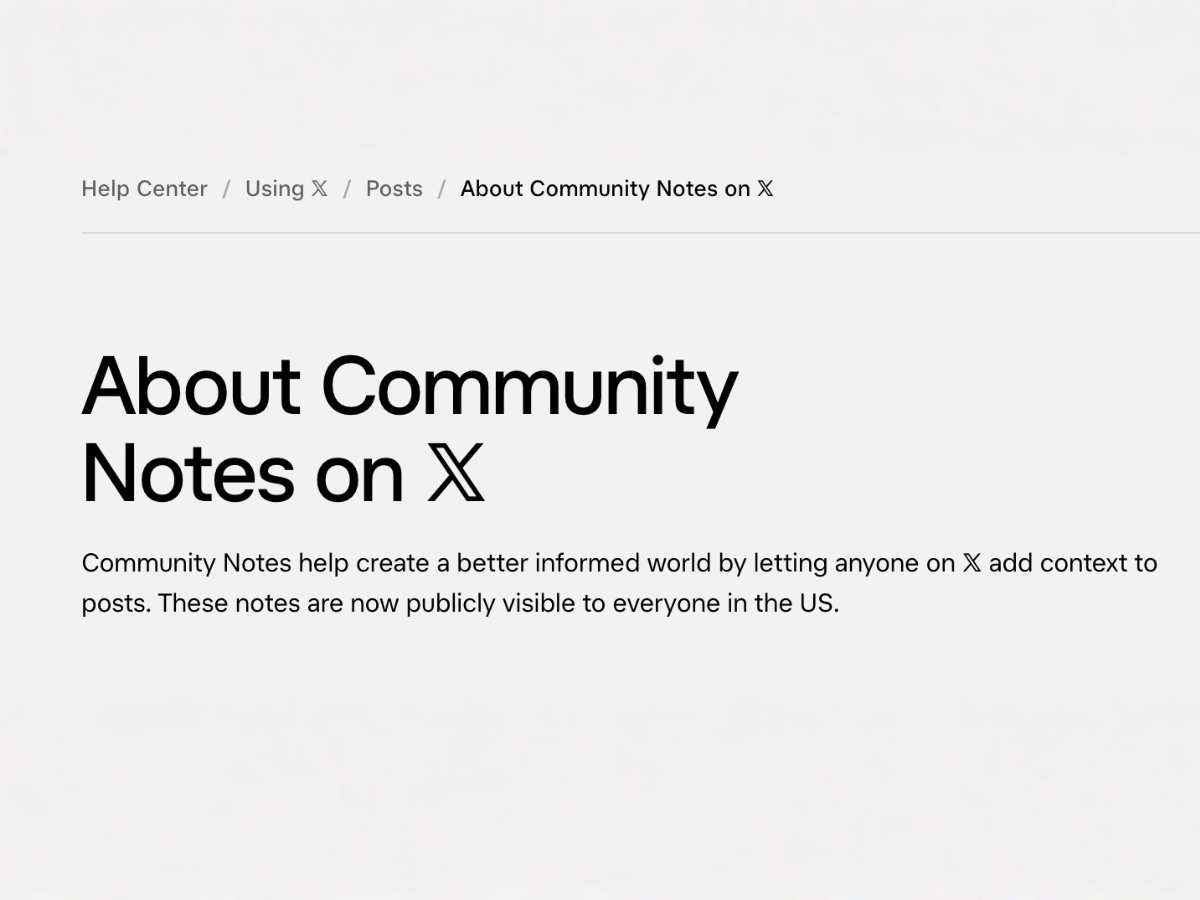
A crowdsourced fact-checking system on Elon Musk's platform X failed to flag almost all of the posts it examined that spread false claims about the coming United States midterm elections, including four such claims advanced by Musk's own account, according to a new analysis from the media watchdog NewsGuard.
The study, published on 21 October 2026 in the watchdog's newsletter, Reality Check, found that X's Community Notes feature failed to flag 93.1 per cent of the posts it sampled that spread false election claims. NewsGuard reviewed 189 posts on 19 October matched to its database of debunked claims. Of those, 176 carried no note, and just 13, or 6.9 per cent, had one as of 20 October. The posts had drawn millions of interactions ahead of the 3 November vote.
X was the main vehicle for the falsehoods. NewsGuard found the platform accounted for 55 per cent of all confirmed instances of the 27 midterm claims it has tracked this cycle, and that 14 of them first surfaced as X posts. The claims ranged from fabricated and AI-generated images to smears against candidates and bogus fraud allegations. They included a baseless claim, attributed to a supposed whistleblower, that Dominion, now renamed Liberty Vote, had bribed politicians to rig the midterms.
Claims Left Unflagged for Months
One post from March 2026 cast a two-hour extension of voting hours in Dallas County, Texas, as proof of fraud favouring Democrats. It stayed up for more than seven months without a note and gathered upwards of 270,000 views. A judge ordered the extension after a new precinct-based rule confused voters about polling places, and the Texas Supreme Court suspended it that night, telling the county to set aside ballots cast after 7 p.m.
Another post falsely claimed that New York and California had outlawed asking voters for identification, drawing about 179,000 views and no correction, though neither state has such a law. The unchecked claims were not confined to conservative accounts: a doctored image purporting to show a pro-Trump billboard, shared by a liberal user, also circulated unflagged.
Community Notes did sometimes work. One corrected post had claimed that 30 people in San Diego registered to vote illegally using mailbox addresses at a UPS store; the note explained that the addresses belonged to homes in the same development.
Musk's Own Posts Among Those Missed
Musk, who at 241.5 million followers has the most-followed account on the platform, has publicly promoted Community Notes as a check on misinformation. NewsGuard noted that in an interview released the day before the 2024 US general election, Musk told podcaster Joe Rogan that Community Notes 'is awesome' and that 'everybody gets checked, including me.' Its analysis found that Musk's account had advanced four of the false midterm claims, none of which carried a note.
The finding fits a longer pattern. A 2024 analysis by the Center for Countering Digital Hate found that Musk made at least 87 posts between 1 January and 23 October 2024 promoting election claims that fact-checkers had rated false or misleading, viewed more than 2 billion times in all and none carrying a note. X did not reply to an emailed request for comment, NewsGuard said.
A Model Other Platforms Are Copying
Community Notes began in 2021 as a pilot called Birdwatch. Twitter, as the company was then called, expanded it worldwide in December 2022, six weeks after Musk completed his $44 billion (about £33 billion) purchase. Approved users write and rate short context labels, which reach the public only when contributors who usually disagree reach agreement, a bar rarely met on partisan claims.
The results land as the model spreads. Meta began replacing third-party fact-checkers in the United States on Facebook, Instagram, and Threads with its own Community Notes system in 2025, citing X as the template, and has since begun testing it elsewhere. In March 2026, Meta's own Oversight Board warned the labels were not a proper substitute for fact-checking.
NewsGuard's earlier work points the same way. A previous study found that only 32 per cent of the 250 most-engaged posts promoting 10 false narratives in the first week of the October 2023 Israel-Hamas war carried a note.
The group said its latest findings suggest election falsehoods are even less likely to be addressed, though the two samples were built differently.
© Copyright IBTimes 2026. All rights reserved.