

How Six Flags' X2 Roller Coaster Can Cause Traumatic Brain Injury as Ride Closes
Investigators scrutinise the safety of X2 roller coaster following reports of traumatic brain injuries
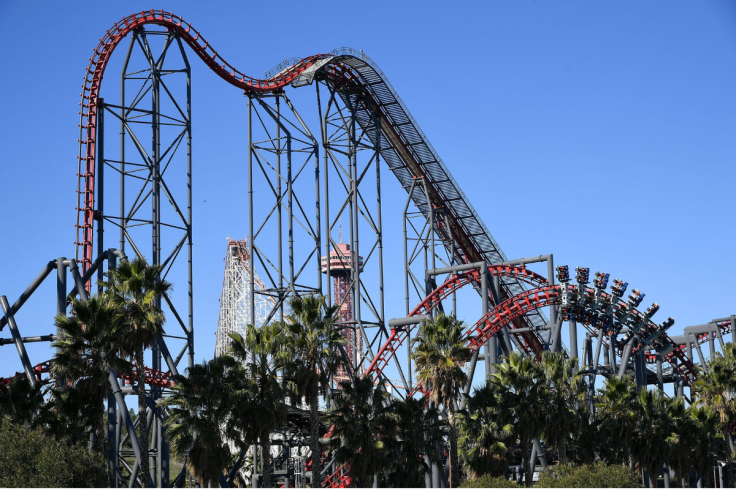
A popular roller coaster at Six Flags Magic Mountain in California remains closed after two women suffered severe brain injuries within days of riding the attraction. The X2 coaster, known for its extreme speed, rotating seats and violent twists, has become the focus of renewed scrutiny as investigators examine whether the ride's intense acceleration and deceleration can contribute to traumatic brain injuries.
The ride has been closed since July 2026 while California's Division of Occupational Safety and Health investigates a reported incident. The latest attention follows reports that two women required emergency brain surgery after riding X2 within a six-day period in July.
What Makes the X2 Roller Coaster So Extreme?
X2 differs from a conventional roller coaster because its seats rotate independently as the train moves along the track. The attraction can reach speeds of around 76mph and includes steep drops, twists and rapid changes in direction. Its unusual design is intended to make riders feel as though they are being thrown through the track rather than simply travelling along it.
Those movements expose riders to significant acceleration and deceleration forces. While experiencing high forces does not automatically mean someone will suffer a brain injury, sudden changes in speed and direction can cause the head and brain to move rapidly.
The brain is surrounded by cerebrospinal fluid and sits inside the skull, meaning it can shift when the head is subjected to sudden movement. During particularly violent acceleration or deceleration, the brain can move or rotate inside the skull. That movement can stretch or damage blood vessels and, in serious circumstances, cause bleeding.
How Can a Roller Coaster Cause a Brain Injury?
One major concern is a subdural haematoma, a potentially life-threatening form of bleeding that occurs when blood vessels between the brain and its protective outer covering are damaged.
That was reportedly the diagnosis given to Pamela Guillen after she rode X2 on 5 July. She suffered brain compression and required emergency surgery to relieve pressure. Six days later, Naomi Greer-Wilkinson reportedly suffered another severe brain injury after riding the same attraction and remains in a coma, according to reports.
Doctors cited in reporting have described the incidents as consistent with a traumatic rapid acceleration-deceleration event. The concern is not simply the speed of the coaster but the combination of speed, sudden braking, directional changes and rotational movement.
X2 Has a History of Serious Injuries
The latest incidents have also revived questions about X2's wider safety record. A CNN investigation found more than a dozen serious injuries and hospitalisations associated with the ride over nearly two decades, including cases involving brain injuries. The investigation also highlighted two deaths connected to riders of the attraction.
Christopher Hawley, 22, died in 2022 after suffering a fatal brain injury following a ride on X2. His family subsequently filed a wrongful-death lawsuit against Six Flags, alleging the ride played a role in his death. Six Flags denied the allegations. The case had been scheduled for trial in September 2026, but Hawley's family and Six Flags reached a settlement in late August. The terms of the settlement have not been disclosed.
Six Flags has maintained that X2 is regularly inspected and has said that a normal rider following the attraction's instructions should not suffer a traumatic brain injury. The ongoing investigation will determine whether further safety measures are necessary.
For now, X2 remains closed, leaving one of Six Flags Magic Mountain's most famous thrill rides at the centre of a growing debate over how much physical force is too much for the human body.
© Copyright IBTimes 2026. All rights reserved.