

'Finally, Diversity': US Midterms Make History With First Gay, Muslim and Native American Leaders
Chris Pappas, Abdul El-Sayed, Deb Haaland, Peggy Flanagan and other candidates achieved historic firsts in federal and state elections
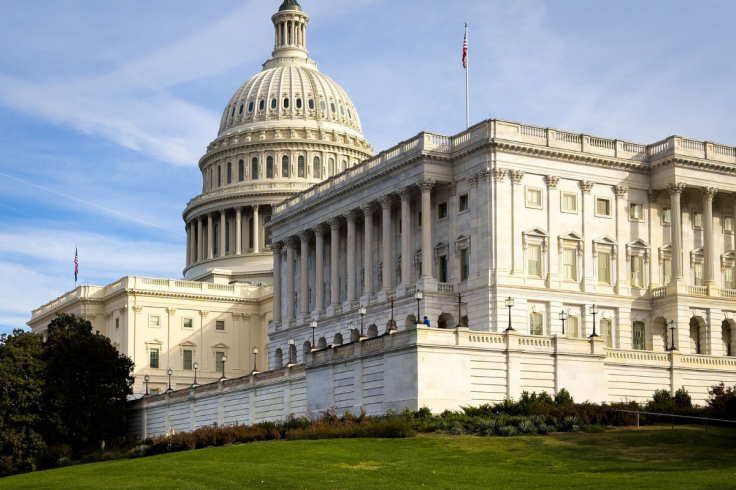
The 2026 US midterm elections delivered a string of firsts for American politics, with voters electing the first openly gay man and first Muslim American to the US Senate, the first Native American woman governor and the first Black woman governor in US history.
The results from the 3 November vote also saw several states elect their first Native American, Black and Latina leaders, prompting thousands of reactions online. One user simply wrote: 'Finally, diversity.'
Which Candidates Made History in the 2026 US Midterms?
The 2026 midterms saw several candidates make history in federal and state-level races, expanding representation across American political institutions.
Democrat Chris Pappas won New Hampshire's Senate race, becoming the first openly gay man elected to the chamber. Meanwhile, Michigan Democrat Abdul El-Sayed defeated Republican Mike Rogers to become the first Muslim American elected to the US Senate.
Other notable victories included Deb Haaland's election as New Mexico governor and Peggy Flanagan's win in Minnesota's Senate race. Both became the first Native American women elected to their respective positions.
Chris Pappas Becomes First Openly Gay Man Elected to US Senate
Democratic Representative Chris Pappas made history after defeating former Republican senator John Sununu in New Hampshire.
His victory makes him the first openly gay man elected to the US Senate. Pappas, who has represented New Hampshire's First Congressional District since 2019, previously became the state's first openly LGBTQ+ member of Congress.
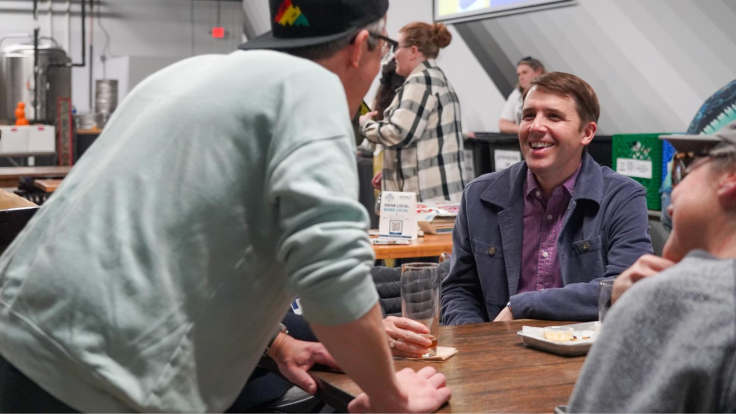
Although the historic milestone attracted attention, Pappas said during his campaign that he was not running to make history. His sexual orientation was not a central focus of his campaign, with Pappas instead emphasising issues affecting New Hampshire residents, including affordability and healthcare.
Abdul El-Sayed Becomes First Muslim American Senator
Michigan voters also elected Abdul El-Sayed, making him the first Muslim American elected to the US Senate.
The 42-year-old Democrat defeated Republican Mike Rogers in a closely watched contest. A former public health official and the son of Egyptian immigrants, El-Sayed campaigned on healthcare reform, lowering living costs and reducing corporate influence in politics.
His campaign also faced attacks focusing on his Muslim identity and alleged links to the Muslim Brotherhood. El-Sayed denied having any affiliation with the group, while Democrats and Muslim advocates condemned some of the rhetoric as Islamophobic. The allegations should not be treated as established facts.
Native American Women Make History in Governor and Senate Races
Two Native American women also secured landmark victories in the elections.
In New Mexico, Democrat Deb Haaland defeated Republican Gregg Hull to become the first Native American woman elected governor of a US state.
A member of Laguna Pueblo, Haaland previously served as President Joe Biden's Interior Secretary, becoming the first Native American Cabinet secretary.
Meanwhile, Minnesota Lieutenant Governor Peggy Flanagan defeated Republican Michele Tafoya to become the first Native American woman elected to the US Senate.
Flanagan is a member of the White Earth Band of Ojibwe. Her victory marked another significant breakthrough for Indigenous representation in federal government.
Black and Latina Women Break Barriers in Governor Elections
The elections also produced historic victories for Black and Latina women in state leadership.
Former Atlanta Mayor Keisha Lance Bottoms won Georgia's gubernatorial race, becoming the first Black woman elected governor in US history. She defeated Republican businessman Rick Jackson, becoming Georgia's first Black governor.
In Texas, Democrat Gina Hinojosa defeated incumbent Republican Greg Abbott to become the state's first Latina governor. Her victory ended more than three decades of Republican control of the governor's office.
Republican Byron Donalds also made history in Florida, becoming the state's first Black governor and the first Black Republican elected governor in US history.
Social Media Reacts to 'Finally Diversity' Moment
The election victories prompted enthusiastic reactions on social media, with users celebrating the growing representation of different communities in American politics.
One X user wrote, 'Finally DIVERSITY.'
Finally DIVERSITY and not just decrepit elderly men with Nazi ideas. pic.twitter.com/DNAQZftcvT
— Fenty Icon👑💎 (@fentyicon) November 4, 2026
Another user shared a similarly celebratory sentiment, writing, 'This is the America I was promised.'
Others focused on the importance of having elected officials reflect the communities they represent.
'Now THIS is what America looks like,' another user wrote, adding that the results were among the moments that made them proud to be American.
Now THIS is what America looks like so ofc the congress should represent the people. One of them watershed moments that makes you proud to be an American. I’m so proud of my home state of Michigan for sending Abdul to Washington, especially!
— 정이안 🫛 🇯🇵 🇰🇷 | Ian’s strongest soldier (@nijllive) November 4, 2026
Meanwhile, one user shared an emotional reaction, writing, 'This is the diversity that I was promised too.'
Another user described the moment as 'real HISTORY.'
this is an immaculate sentence and #real HISTORY is being made pic.twitter.com/PsK8CoBS92
— bleu. (@bleuuaura) November 4, 2026
The reactions reflected the excitement among some voters over the historic breakthroughs, as candidates from communities that have long been underrepresented secured positions in government.
The election results mark a significant moment for representation in US politics, with several historically underrepresented groups breaking barriers at both the federal and state levels.
© Copyright IBTimes 2026. All rights reserved.