

Did Amou Haji's First Bath in 50 Years Kill Him? Inside the Viral Myth Four Years After Recluse's Death
As online wellness trends and social media algorithms revive folklore surrounding the 'world's dirtiest man', historical records expose the truth about his final months
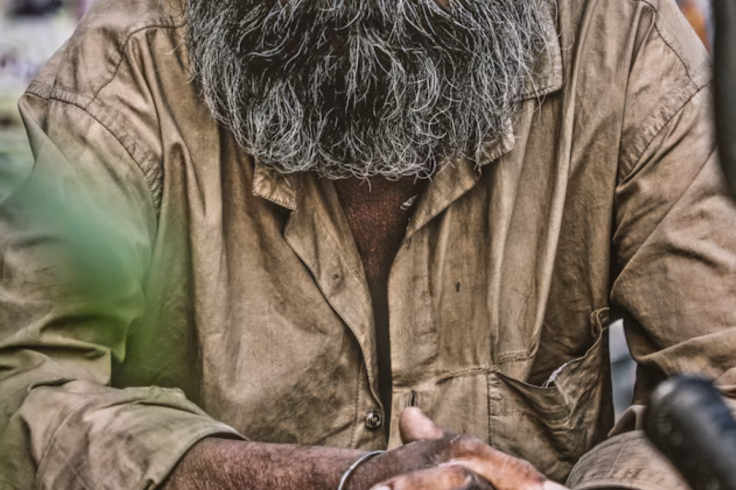
Four years after Iranian recluse Amou Haji died at the age of 94 in southern Iran's Fars province, algorithmic engagement-farming across social media continues to recycle the sensational claim that taking his first bath in more than half a century killed him.
The enduring piece of internet folklore has found fresh traction in November 2026, fuelled by viral trivia threads on Reddit and X alongside modern wellness debates examining skin microbiomes, minimalist skincare, and extreme longevity.
Yet contemporaneous dispatches published by Iran's official IRNA news agency and Agence France-Presse following his passing on 23 October 2022 establish a markedly different timeline from digital accounts suggesting he collapsed within days of touching soap and water.
According to primary reporting from the time, sympathetic neighbours persuaded Haji to visit a bathroom several months before his death, after which he developed an unspecified illness that claimed his life without any confirmed clinical diagnosis.
Known affectionately as 'Amou', a Persian honorific meaning uncle, the solitary pensioner captivated global audiences in 2014, yet medical observers stress that zero verified clinical evidence links his final wash to his demise.
Why Amou Haji Refused To Wash
Haji lived near Dejgah, a village in southern Iran, where neighbours had built him a simple brick shelter. Earlier accounts also described him sleeping in a hole in the ground, often away from other residents.
His refusal to bathe was rooted in a fear of illness, according to reports published during his lifetime. In a 2014 account, Haji attributed his solitary existence to 'emotional setbacks' in his youth. Those recollections did not amount to evidence of a diagnosed mental health condition.
Residents made repeated attempts to help him, but washing remained particularly contentious. One account described him escaping from a vehicle after discovering that villagers intended to take him to a river for a bath.
'Amou' is an affectionate Persian term meaning 'uncle'. The label 'world's dirtiest man' emerged through news coverage rather than any verified official record.
Amou Haji's Unusual Daily Life
Accounts of Haji's habits reached international audiences in 2014. He was reported to eat dead animals, especially porcupines, and drink water from an old oil container.
Smoking was another familiar part of his routine. Photographs showed several cigarettes in his mouth at once, while reports described him smoking dried animal excrement through a pipe.
He was also said to trim his hair by burning it rather than cutting it. Years without bathing had left his skin coated in soot, according to Iranian media reports.
These details made Haji an object of curiosity, but the available accounts were never a comprehensive medical history. His long life did not establish that his diet, smoking or avoidance of hygiene were harmless, let alone beneficial.
Did Amou Haji's First Bath Cause His Death?
In 2022, villagers finally persuaded Haji to wash. IRNA later reported that he fell ill and died on 23 October, several months after that bath. News coverage at the time did not identify a confirmed medical cause.
Some later accounts described alleged medical examinations, including a possible parasitic infection. The underlying clinical records have not been independently established, so those claims cannot reliably describe his health or explain his death.
Nor is there evidence that removing accumulated dirt weakened his immune system. The suggestion that a change in routine harmed him is also speculation rather than a documented medical finding.
Haji spent decades resisting efforts to wash, even as neighbours tried to offer shelter and practical help. His eventual agreement was an extraordinary departure from the life he had chosen.
What transpired biologically in the months after his final wash remains clinically unrecorded, leaving the connection between his bath and his death unproven.
© Copyright IBTimes 2026. All rights reserved.