Andy Burnham Faces PMQs Debut With Borrowing Costs at 18-Year High Threatening His Budget Plans
Burnham's leadership tested by economic challenges and political opposition

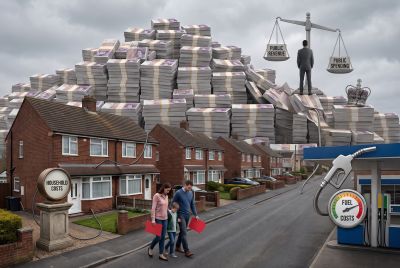
Andy Burnham is preparing for his first Prime Minister's Questions (PMQs) as benchmark 10-year UK borrowing costs climb to their highest level since the 2008 financial crisis, while longer-term costs reach levels last seen in 1998.
The yield on benchmark 10-year government bonds rose to approximately 5.25 per cent on Tuesday, its highest level in 18 years. Thirty-year borrowing costs reached approximately 5.9 per cent, their highest since 1998.
The market turmoil creates an immediate challenge for Burnham and Chancellor John Healey as they prepare a Budget intended to advance regional investment, cost-of-living relief and greater public control of essential services.
Burnham Faces Kemi Badenoch at First PMQs
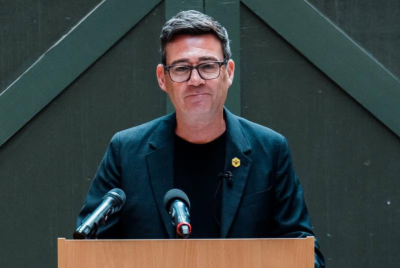
Burnham is due to face Conservative leader Kemi Badenoch at noon on Wednesday, 2 September 2026.
The official parliamentary schedule confirms that Burnham will answer questions from opposition leaders and backbench MPs in the House of Commons.
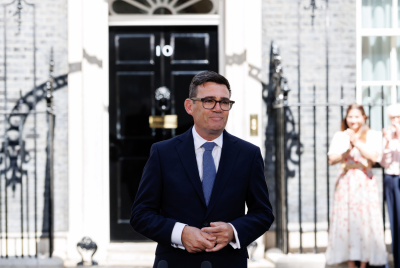
It will be his first PMQs since becoming prime minister on 20 July. Burnham returned to Parliament as the Labour MP for Makerfield in June before winning the party leadership and succeeding Sir Keir Starmer.
He made his first major Commons appearance as prime minister on Tuesday, outlining plans to reduce household costs, decentralise power and give communities greater control over services.
Badenoch is expected to challenge Burnham over how those ambitions will be funded. Welfare spending, taxation, migration and the government's Budget strategy could also feature prominently during the weekly confrontation.
Why UK Borrowing Costs Have Surged
The government borrows by selling bonds called gilts. When their prices fall, yields rise, increasing the cost of new borrowing.
Ten-year gilt yields reached about 5.25 per cent on Tuesday, their highest since June 2008. Thirty-year yields hit roughly 5.9 per cent, the highest since 1998.
The sell-off also affected the United States, Japan and Europe. Rising oil prices and the conflict involving Iran have fuelled inflation fears and expectations that interest rates will remain higher for longer.
Bank Rate stands at 3.75 per cent, while inflation remains above the Bank of England's 2 per cent target. The Bank has warned that energy prices remain high and volatile because of conflict in the Middle East.
Higher Yields Threaten October Budget Plans
Healey will deliver his first Budget on Wednesday, 28 October 2026, promising 'fiscal discipline' and more power outside Westminster.
Higher yields do not immediately affect all existing debt, but they increase the cost of new borrowing and refinancing. They can also raise the Office for Budget Responsibility's projected debt-interest bill.
Economists estimate that the government's financial buffer could roughly halve if current conditions persist, although the OBR has not published its official forecast. That could force Healey to limit spending, raise revenue or leave less protection against future shocks.
Burnham's Spending Promises Face Market Test
Burnham has promised cost-of-living support and greater economic power outside London.
VAT will be removed from domestic electricity bills from 1 October for the rest of the financial year, funded by cancelling the £1.8 billion Digital ID programme.
Other plans include No10 North, business-rates relief for pubs and live music venues, bus-fare limits and greater public control of water, energy and transport.
Persistently high borrowing costs could make those commitments more expensive and increase pressure to show they comply with the government's fiscal rules.
PMQs Becomes Burnham's First Major Test
PMQs gives Badenoch her first opportunity to challenge Burnham directly over his spending plans.
The prime minister must defend his agenda while reassuring MPs and financial markets that borrowing and debt-interest costs remain under control.
A strong performance could bolster his position after six weeks in Downing Street, but financial markets may prove a tougher test than the opposition benches.
© Copyright IBTimes 2026. All rights reserved.
- Recommended For You