

Energy Bills Rocket by £221 as UK Inflation Hits 2.9% in Fresh Blow for Millions of Households
Energy price hikes drive UK inflation above target, challenging government and Bank of England strategies
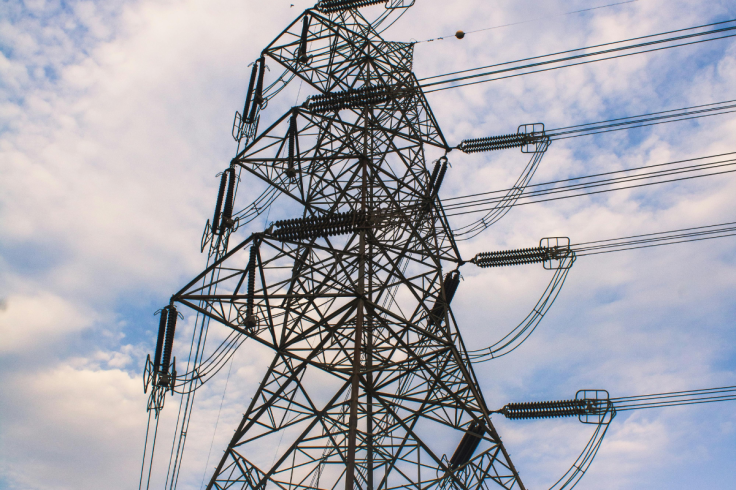
UK inflation jumped to 2.9 per cent in July, overshooting the Bank of England's 2 per cent target, as a £221 surge in typical annual energy bills heaped fresh pressure on household finances, official figures showed on Wednesday.
The latest reading from the Office for National Statistics followed a 2.6 per cent rate in June and came weeks after regulator Ofgem lifted its energy price cap by 13 per cent from 1 July, taking the average dual-fuel bill to £1,862 a year.
Ofgem raised the cap in response to a spike in wholesale gas costs, which Cornwall Insight and other analysts link to the continuing Iran war and supply disruptions in the Gulf and Norway. Consultancy Cornwall Insight expects the cap to rise again by about 4 per cent in October, reaching its highest per unit level since July 2023, with Ofgem due to confirm the next cap level next week.
Energy Bills Drive Inflation to 2.9 Per Cent but Services Costs Cool
The ONS said gas prices registered their sharpest increase since 2022, with electricity also adding heavily to July's inflation figure, alongside smaller upward contributions from furniture and clothing.
The picture beneath the headline number is more mixed. Services inflation, the measure the Bank of England watches most closely for signs of domestic wage pressure, eased from 3.6 per cent in June to 3.4 per cent.
Core inflation, which strips out energy and food, stood at 2.6 per cent in the 12 months to July, slightly above the 2.5 per cent economists had expected, while food price inflation slowed to 1.3 per cent from 1.7 per cent.
At its July meeting, the Bank's Monetary Policy Committee voted six to three to hold interest rates at 4.75 per cent. Following Wednesday's data, traders in swaps markets trimmed the implied probability of a quarter-point rate cut in September to about 18 per cent, from 27 per cent beforehand, while the pound traded largely unchanged around 1.354 dollars.
Yael Selfin, chief economist at KPMG, said the Bank was likely to look past energy-driven price rises 'provided underlying price pressures remain contained', adding that she expects rates to stay on hold for the rest of the year.
Burnham and Healey Face Inflation Test as Opposition Pounces
The rise in inflation adds pressure on Prime Minister Andy Burnham, who took office promising higher growth and action on living costs. Chancellor John Healey pointed to 'Iran war inflation' distorting prices but said the government's cuts to VAT on electricity bills and the £2 cap on most bus fares were providing 'breathing space' for households.
Shadow chancellor Mel Stride accused Labour of letting inflation run away again, blaming Burnham's 'tax rises and business bashing' for higher living costs and warning of further tax increases in the autumn Budget.
Separate labour market data released this week showed payrolled employee numbers falling by 13,000 in June compared with May, while unemployment held at 4.9 per cent. Ruth Gregory, deputy chief UK economist at Capital Economics, said the combination of July's inflation figures and slowing private-sector wage growth suggested 'domestically generated inflation remains contained' and that there is limited evidence that firms are passing on higher costs to consumers.
Winter Warning as Iran War and Gas Prices Push Inflation Higher
The Bank of England expects headline inflation to climb further before easing, forecasting a rise to around 3.2 per cent towards the end of the year before falling back to an average of 2.7 per cent in 2027, largely driven by energy markets.
Analysts including those at Cornwall Insight have warned that continued disruption from the Iran conflict could make the next two winters uncomfortable for households. Rising borrowing costs are adding further strain, with 10-year gilt yields nudging towards 4.5 per cent, levels not seen since before the financial crisis, pushing up the government's debt interest bill and narrowing the fiscal room for further cost of living support.
© Copyright IBTimes 2026. All rights reserved.