

Who Is Francesco Panto? The Doctor Who Found Refuge in Anime—and Built a Therapy Model From It
Exploring the innovative use of anime in mental health therapy
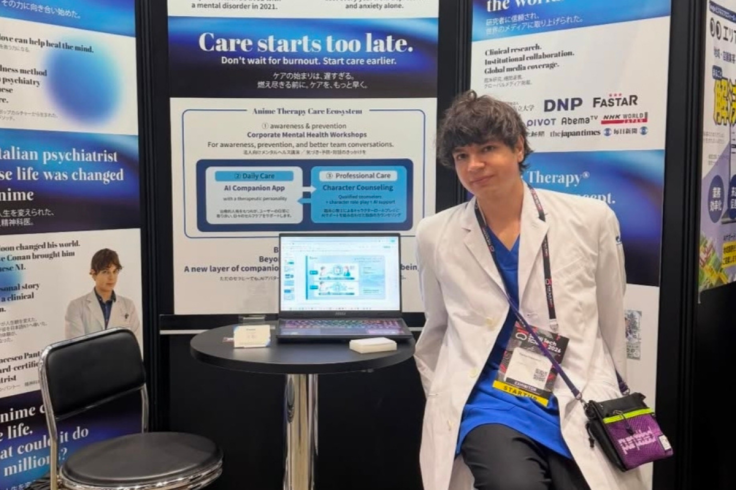
Francesco Panto is a psychiatrist and researcher who has become one of the leading voices behind Japan's experimental 'anime therapy' movement. Originally from rural Sicily, Panto is now based in Japan.
His work is closely associated with a clinical trial led at Yokohama City University, where researchers are testing whether fictional characters can help young people with depression and anxiety engage more easily with psychological support.
Panto's professional focus is rooted in a personal history of isolation and emotional struggle. Growing up in rural Sicily, he has described experiencing bullying and difficulty adapting to social expectations. During this period, he turned to anime, manga, and video games as a form of emotional refuge - media that later became central to his thinking as a clinician.
'Being raised in Italy, in Sicily, there were very strong stereotypes around gender or self-expression', Panto told AFP.
'The use of manga and anime supported me so much... they were very important emotional support kind of tools', Panto told AFP.
The Stories That Shaped Him
Panto has often pointed to Japanese pop culture as a key influence in his adolescence. Works such as the video game 'Final Fantasy' helped him identify with characters who felt aspirational and emotionally expressive in ways he could relate to.
'When I was 12 or 13 years old I started to play this game called 'Final Fantasy'... and the male protagonists resonated with me. They were so masculine and cool, but in their own way', he stated.
He also cites anime like 'Sailor Moon' and 'Magic Knight Rayearth' as important sources of comfort during his teenage years. These series, alongside other fantasy narratives, gave him what he later described as emotional distance - space to reflect on identity and vulnerability without direct social pressure.
For Panto, this experience became foundational: fiction was not just entertainment, but a psychological tool for self-understanding.
From Personal Coping to Clinical Concept
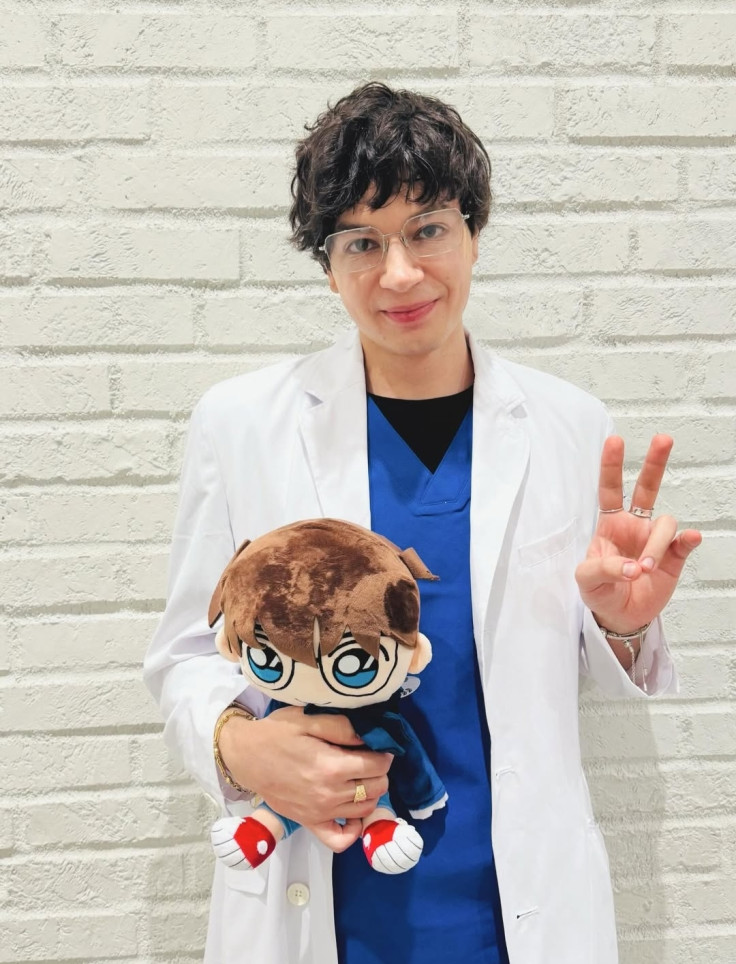
Now working as a psychiatrist, Panto has developed the idea of 'character-based counselling', sometimes described in research settings as anime therapy. The approach uses fictional characters - designed with distinct personalities and emotional struggles - as a bridge between therapist and patient.
In the current pilot study at Yokohama City University, young participants aged 18 to 29 with symptoms of depression take part in online therapy sessions. The sessions are conducted by psychologists who appear on screen as anime-style avatars with altered voices, AFP reported.
The project includes six original characters, each based on common manga archetypes and linked to different psychological themes. Some characters reflect anxiety or mood disorders, while others are shaped around trauma or emotional regulation. Participants are allowed to choose which character they interact with, depending on which personality they feel most drawn to.
The system was developed in collaboration with partners including Dai Nippon Printing Co., Ltd., which helped design the visual characters and interface used in the study.
Why Fictional Distance Matters
Panto's core argument is that emotional distance can make difficult conversations easier. He describes the use of avatars and fictional framing as a 'psychological safe zone', where patients may feel less judged and less anxious than in traditional face-to-face therapy.
According to his view, subtle human cues - facial expressions, tone shifts, perceived judgment - can sometimes create barriers for people with anxiety or depression. Fictional characters reduce that pressure by introducing a mediated space where emotions can be expressed more freely.
Early Trials and Broader Hopes
The ongoing study tracks changes in participants' mood, sleep, and depression symptoms to evaluate whether anime-based therapy is feasible as a clinical method. While results are still being analysed, the trial is part of a broader effort in Japan to address mental health challenges among young people, particularly those who struggle to seek traditional counseling.
For Panto, the goal is not to replace conventional therapy, but to expand how it can be accessed. He suggests that the psychological mechanisms behind storytelling, immersion, and character identification are universal - and may offer new ways to support people who find real-world interaction difficult.
© Copyright IBTimes 2026. All rights reserved.