Ebola Travel Ban Invoked for First Time Since COVID After American Doctor Tests Positive in Congo
The Bundibugyo strain driving the outbreak has no approved vaccine or treatment
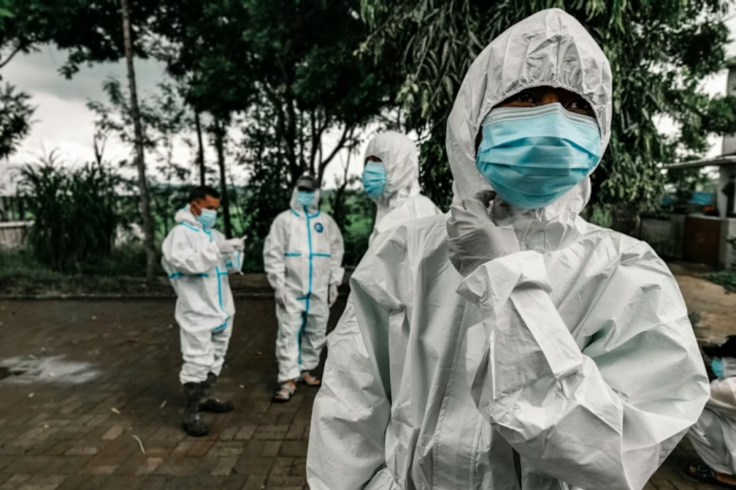
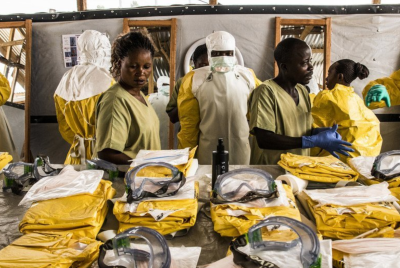
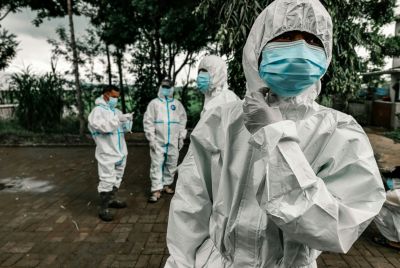
The US government has invoked Title 42 for the first time since the COVID-19 pandemic, imposing a 30-day travel ban on foreign passport holders from three African nations after an American doctor tested positive for a rare strain of Ebola in the Democratic Republic of Congo.
The Centers for Disease Control and Prevention announced on Monday that non-US citizens who have been in the DRC, Uganda, or South Sudan within the past 21 days will be barred from entering the country. US citizens and military personnel are exempt, though they will face enhanced screening at ports of entry.
The order was signed by Dr Jay Bhattacharya, the National Institutes of Health director who also serves as a senior CDC official. It is the first time Title 42 has been used for an Ebola outbreak and the first invocation of the public health law since the pandemic-era border crisis.
An American Doctor in the Outbreak Zone
The international Christian missions organisation Serge identified the infected American as Dr Peter Stafford, a physician treating patients at Nyankunde Hospital near Bunia since 2023. His wife, Dr Rebekah Stafford, and colleague Dr Patrick LaRochelle were also exposed but remain asymptomatic.
The couple has four young children. All seven Americans connected to the case are being evacuated to Germany for treatment or observation, as German medical facilities provided the closest available high-level biocontainment units to safely minimise flight transit time for the actively ill physician.
'We are doing this to ensure that they are at the level of care that they can receive,' CDC Ebola response incident manager Dr Satish Pillai told reporters on Monday.
No Vaccine for This Strain
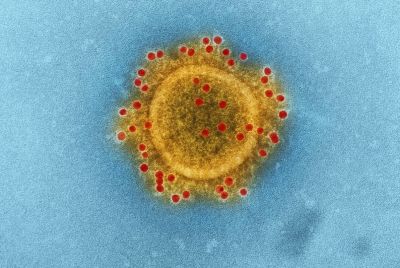
The Bundibugyo strain driving the outbreak has been identified in humans only twice before. Unlike the better-known Zaire strain, which has two licensed vaccines from Merck and Johnson & Johnson, no approved vaccine or treatment exists for Bundibugyo.
The CDC confirmed that the Biomedical Advanced Research and Development Authority is 'looking into' two monoclonal antibodies tested in animal studies. No candidate vaccine has reached human trials.
The strain carries a fatality rate of 30% to 50%, according to the World Health Organisation. Treatment currently relies on supportive care alone.
Outbreak Declared a Global Emergency
The WHO declared the outbreak a 'public health emergency of international concern' on Sunday. As of Monday, the United Nations reported more than 300 suspected cases and 88 deaths across the DRC, with two confirmed cases and one death in neighbouring Uganda.
Health officials warned the true scale is likely larger. Initial field tests missed the virus entirely because diagnostics were calibrated only for the Zaire strain, delaying confirmation by weeks. Congo's health minister said the government is opening three treatment centres in the affected region.
'Because early tests looked for the wrong strain of Ebola, we got false negatives and lost weeks of response time,' said Matthew Kavanagh, director of Georgetown University's Center for Global Health Policy and Politics.
World Cup on a Collision Course
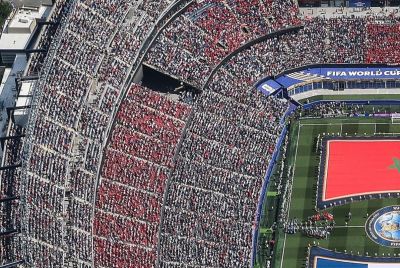
The ban now complicates the upcoming FIFA World Cup, set to begin next month. The DRC's national football team is scheduled to train and play a group stage match in Houston. The 30-day restriction runs through 17 June, overlapping directly with the tournament's opening phase.
While FIFA has yet to comment, Houston's World Cup host committee released a statement confirming they are working closely with federal authorities to navigate the health guidelines. Pillai called the situation 'evolving' and said the agency would 'continue to work with our interagency colleagues to lock down the final plans.'
The CDC assessed the immediate risk to the general US public as low.
© Copyright IBTimes 2026. All rights reserved.
- Recommended For You