

Schizophrenia 'Solved'? This Student Theory Is Making People Question Everything About Mental Health Treatment
The viral 'leaky thalamus' theory has pushed conversations about schizophrenia.
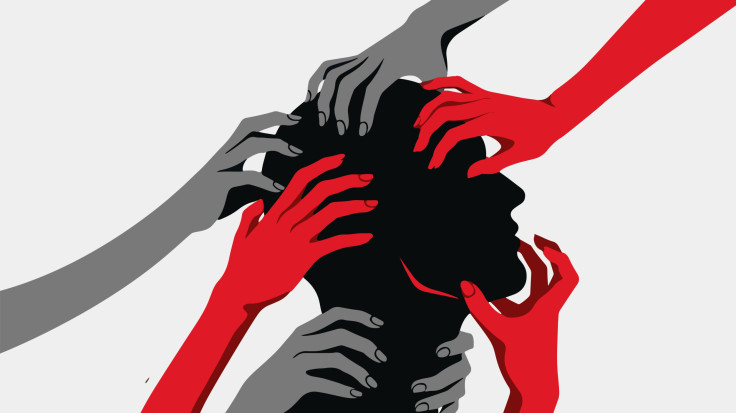
A college student's TikTok theory about schizophrenia has exploded across social media after she argued that modern psychiatry may be focusing on the wrong part of the brain entirely.
The video, posted by Lilith Mara, claims schizophrenia is less about dopamine imbalance and more about a breakdown in the brain's sensory filtering system linked to the thalamus. Her explanation, which mixes neuroscience, mental health criticism, and frustration with current treatments, has sparked intense debate online, with millions now questioning whether one of psychiatry's most studied disorders has been misunderstood for decades.
The Viral Schizophrenia Theory Explained
The student at the centre of the debate is Lilith Mara, whose TikTok videos discussing schizophrenia and the thalamus have quickly taken over the internet.
In the clips, Mara argues that schizophrenia may not primarily be a dopamine disorder – the long-standing theory behind many antipsychotic medications – but instead a 'sensory filtering' problem tied to the thalamus, the part of the brain responsible for processing incoming sensory information.
According to her explanation, when the thalamus becomes 'leaky,' the brain struggles to properly filter signals from the outside world. She claims the brain then begins filling in missing information itself, potentially contributing to hallucinations, paranoia, distorted thinking, and sensory overload.
One line from the video spread especially fast online, where she says, 'Your brain will always try to make sense of something... so if it's missing information, it's just gonna make up its own.'
Why The Theory Connected With So Many People
Part of the reason the videos resonated so strongly is because schizophrenia treatment remains deeply frustrating for many patients and families. Current antipsychotic medications can help reduce hallucinations and delusions, but they often come with heavy side effects and do not fully address cognitive symptoms or emotional withdrawal.

Mara's videos tapped into a wider feeling online that mental health treatment still leaves many unanswered questions. Her criticism of 'symptom masking' versus treating root causes also echoed conversations already happening around depression, ADHD, anxiety, and metabolic psychiatry.
The videos became even more controversial after she suggested pharmaceutical companies may have little incentive to pursue radically different approaches to treatment.
What Scientists Already Know About The Thalamus
Despite the dramatic online reaction, researchers have studied the thalamus and sensory gating in schizophrenia for decades. Brain imaging studies dating back to the 1990s have explored abnormalities in thalamic pathways, sensory filtering problems, and disruptions between different brain circuits in schizophrenia patients.
Scientists have also examined how the brain processes sound, attention, and external stimuli differently in people with psychotic disorders.
That means the viral theory is not being viewed by experts as a sudden 'solution' to schizophrenia. Instead, many researchers see it as a simplified online version of existing neurological research that is still evolving.
The dopamine theory also has not been abandoned. Most psychiatrists now view schizophrenia as a highly complex disorder involving genetics, brain circuitry, neurodevelopment, inflammation, environment, metabolism, and neurotransmitters working together.
Learners preparing for medical and psychology certifications often turn to platforms like Examlabs to reinforce their understanding of complex psychiatric topics, including neurobiology, diagnosis frameworks, and evolving theories in mental health research.
The Conversation Around Metabolism & Mental Health
One area drawing renewed interest is the relationship between metabolism, glucose regulation, and psychiatric illness, something Mara also discussed in her videos.
Researchers have increasingly explored how insulin resistance, inflammation, gut health, and altered brain energy use may affect conditions like schizophrenia, bipolar disorder, and depression. Some small studies and case reports have examined ketogenic diets and metabolic therapies in psychiatric treatment, though experts caution the research remains early and far from conclusive.
Social media users quickly began connecting Mara's theory to broader discussions about gut health, processed foods, and the long-term side effects of psychiatric medication.
Meanwhile, the internet response has been sharply divided.
Some viewers praised Mara for making complicated neuroscience easier to understand and for opening conversations about mental health research. Others accused viral accounts of exaggerating her claims into conspiracy theories about 'Big Pharma cover-ups' and 'hidden cures.'
Mental health professionals responding online stressed that schizophrenia is one of the most complicated disorders in psychiatry and warned against framing any single theory as a complete answer.
© Copyright IBTimes 2026. All rights reserved.