'Baywatch' Star Once Drained Her Savings on Treatment After Getting Sick From Sharing a Needle
Pamela Anderson reflected on her hepatitis C journey while accepting amfAR's Award of Courage
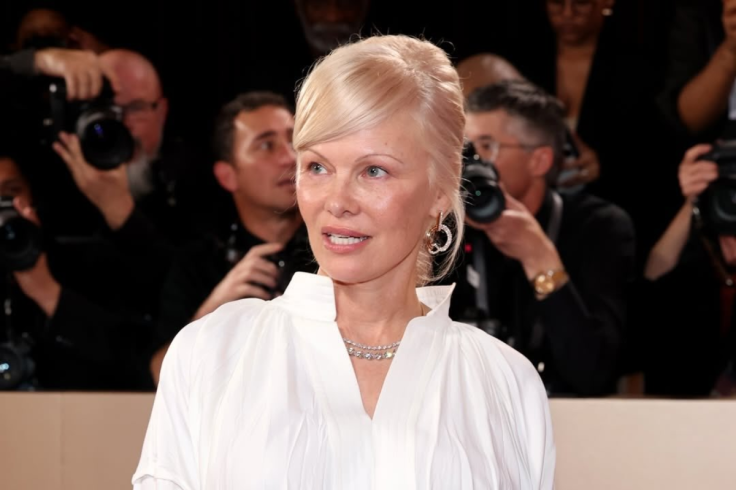
Pamela Anderson has recalled being told she had around 10 years to live after being diagnosed with hepatitis C in the late 1990s, describing the prognosis as 'a death sentence' during an emotional speech at the 2026 amfAR Gala Venezia.
The former Baywatch actress said the diagnosis altered the course of her life and that the cost of treatment eventually depleted her savings before she was cured in 2015, years after effective hepatitis C medicines became available.
The actress, now 59, said the experience affected far more than her health, leaving her with lasting feelings of shame and anxiety as she worried about the future of her two young sons. She said the diagnosis continued to shape how she viewed herself long after her recovery.
Anderson Said Treatment Exhausted Her Savings
Accepting amfAR's Award of Courage, Anderson reflected on the financial burden of living with hepatitis C before highly effective antiviral medicines became widely available. 'Treatment took everything I had in my bank,' she said, describing the cost of managing the disease during a period when options were limited and often expensive.
Anderson has previously said she contracted hepatitis C after sharing a tattoo needle with her former husband, Mötley Crüe drummer Tommy Lee. The pair were married from 1995 to 1998 and share two sons, Brandon Thomas Lee and Dylan Jagger Lee.
Speaking about her diagnosis, Anderson said she feared less for herself than for her children. 'It was not fear of death, but fear of what might happen to my young children,' she said. 'It turned my life inside out.'
Living With Shame Long After Recovery
Although Anderson was cured of hepatitis C in 2015, she said the emotional impact continued long after the virus was gone. She described carrying feelings of shame and guilt, saying those emotions were compounded by the childhood sexual abuse she had previously spoken about publicly.
'It felt like it was carved into my forehead: Damaged goods,' Anderson said. 'And I presented myself as such.' Despite those experiences, she said she no longer sees herself as a victim.
'I'm a victor. I am strong and capable, more now than I could ever dream of. I'm not the damsel in distress, no matter how easy that role is to play.' Her remarks highlighted the lasting psychological effects that can accompany serious illness, even after successful treatment.
Hepatitis C Treatment Has Changed Dramatically
When Anderson was diagnosed in the late 1990s, hepatitis C treatments were lengthy, difficult to tolerate and offered lower cure rates than today's medicines. The outlook changed significantly after direct-acting antiviral drugs became available in the following decade, allowing many patients to clear the virus through a relatively short course of treatment.
Anderson publicly revealed her diagnosis in 2002 and announced in 2015 that she had been cured. She later told People she had experienced few symptoms and had continued living her life while undergoing treatment. Her comments at the amfAR Gala also underscored how advances in medical research have transformed outcomes for people diagnosed with hepatitis C over the past two decades.
Anderson Has Rebuilt Her Career Since Recovering
More than a decade after overcoming hepatitis C, Anderson has experienced a major career resurgence. Since her recovery, she has starred in the Netflix documentary Pamela, A Love Story, appeared in the reality series Pamela's Garden of Eden, earned critical acclaim for The Last Showgirl, and returned to the spotlight with The Naked Gun.
Entertainment publications estimate Anderson's net worth at about $20 million (£15 million), although celebrity wealth estimates are not independently verified. Her recent acting roles, television projects, and public appearances indicate she has also recovered financially since the period when treatment depleted her savings.
Looking back, Anderson said her diagnosis changed the course of her life but no longer defines it. By sharing both the financial hardship and emotional toll of hepatitis C, she used her amfAR speech to highlight how medical advances have transformed what was once considered a life-threatening diagnosis.
© Copyright IBTimes 2026. All rights reserved.
- Recommended For You