The Bermuda Triangle Is Hiding Something Scientists Never Expected to Find
A newly discovered rock structure beneath Bermuda could explain the island's unusual elevation and rewrite geological history.
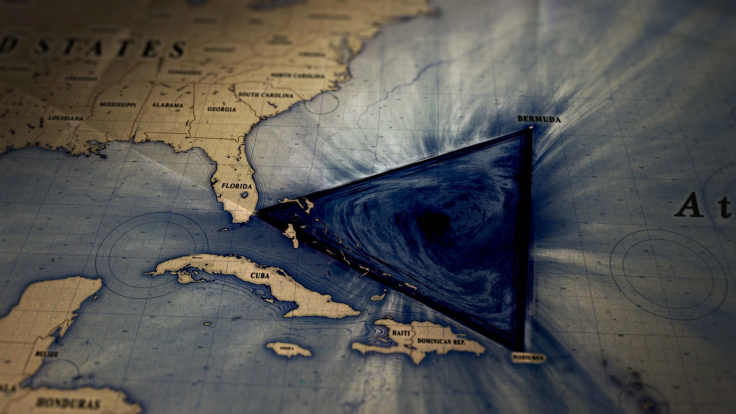
The Bermuda Triangle, long famous for unexplained disappearances, has revealed an even stranger secret. Scientists have discovered a colossal rock layer beneath the island of Bermuda, 12.4 miles thick and unlike anything else on Earth. This hidden structure could help explain why the island sits unusually high above the surrounding ocean floor and sheds light on the geological history of the Atlantic.
The Groundbreaking Discovery
Researchers from Carnegie Science and Yale University used seismic data from distant earthquakes to map the Earth's interior beneath Bermuda. They found a dense yet unusually low-density rock layer located between the oceanic crust and tectonic plate, approximately 50 kilometres below the island. Dr William Frazer, the study's lead author, said, 'Typically, you have the bottom of the oceanic crust and then it would be expected to be the mantle.'
The layer's thickness is unprecedented. No other oceanic region has revealed a structure of this magnitude, leaving scientists baffled. The discovery was published in the journal Geophysical Research Letters and could answer long-standing questions about the island's geology.
How the Rock Layer Shapes Bermuda
Bermuda sits on an oceanic bulge, a raised area of crust that lifts the island above the surrounding terrain. Typically, bulges form over volcanic hotspots, but Bermuda's last eruption was more than 31 million years ago, and no current volcanic activity explains the island's elevation.
Sarah Mazza, a geologist not involved in the study, explained, 'There is still material left over from the days of active volcanism under Bermuda that helps to hold it up.' The newly discovered layer is less dense than the surrounding rock, which deflects seismic waves and effectively pushes the island upwards. This ancient volcanic remnant may also date back to the breakup of the super-continent Pangaea, some 900 to 300 million years ago, when carbon-poor lava from deep in the mantle rose to the surface.
The researchers traced seismic waves from global earthquakes as they passed through Bermuda's interior. The waves changed direction abruptly when hitting the unusual rock layer, revealing its presence.
This layer extends 20 kilometres beneath the crust and forms a kind of rocky raft that may explain Bermuda's unusual height and its persistence above the ocean floor. Unlike island chains such as Hawaii, where volcanic activity forms bulges and islands gradually sink as the plate moves away from the hotspot, Bermuda remains elevated despite a lack of recent eruptions.
Implications for Earth's Geological History
The discovery is more than a curiosity. It could transform understanding of how islands form and remain elevated without continuous volcanic activity. Scientists plan to investigate whether similar layers exist beneath other Atlantic islands. By comparing these structures, they may gain insight into the formation of oceanic bulges, volcanic islands, and the processes that shaped the Atlantic Ocean over hundreds of millions of years.
This giant rock layer beneath Bermuda challenges assumptions about the Earth's crust and offers a rare glimpse into ancient volcanic processes. As seismologists continue to study the region, the Bermuda Triangle remains enigmatic, but its hidden depths may now be revealing one of the most extraordinary geological discoveries in decades.
© Copyright IBTimes 2026. All rights reserved.
- MOST POPULAR IN Trending