

Trump's 'Die Hard Supporters' 'Ashamed' of Him After 'Tacky And Tasteless' Rob Reiner Post
Social media post on Rob and Michele Reiner murder sparks outrage among Trump loyalists
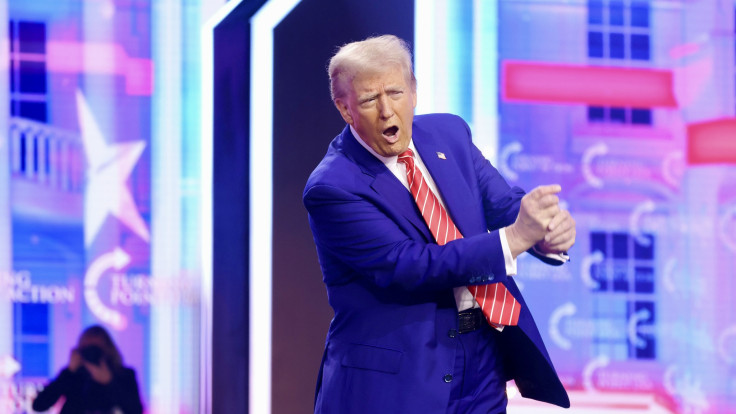
Trump's extraordinary claim that the brutal deaths of filmmaker Rob Reiner and his wife were linked to political anger drew criticism even from some of his staunchest supporters, who called his comments tacky and tasteless'.
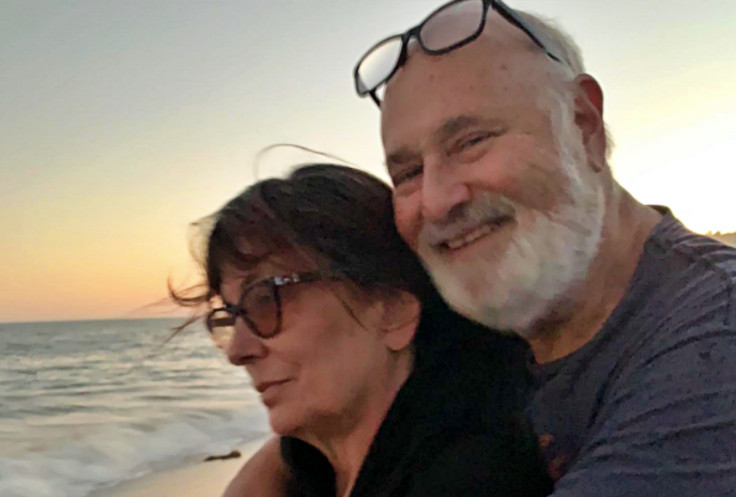
The remarks followed a shocking double homicide in Los Angeles, where Reiner, 78, and his wife, Michele Singer Reiner, 68, were found stabbed to death at their Brentwood home on Sunday, Dec. 14, 2025. Authorities have arrested their son, Nick Reiner, 32, on suspicion of murder and set bail at £3.2 million ($4 million).
Insensitive Presidential Response
On Monday, Trump took to his Truth Social account to post what he described as a statement on the Reiners' deaths. The message began by acknowledging the "very sad thing" that had occurred but quickly shifted to commentary on Reiner's political views.
The president referred to Reiner as 'a tortured and struggling, but once very talented movie director and comedy star,' suggesting that the couple's deaths were 'reportedly due to the anger he caused others through his massive, unyielding, and incurable affliction with a mind crippling disease known as TRUMP DERANGEMENT SYNDROME'.
Trump continued that Reiner 'was known to have driven people CRAZY by his raging obsession of President Donald J. Trump,' framing the tragic event in terms of long-standing political opposition rather than mourning a horrific loss. The post, which was also published as an official presidential statement in the American Presidency Project archive, drew an immediate and intense reaction online and within political circles.
Backlash From Across the Spectrum
Prominent figures from both sides of the political divide condemned the president's remarks. Democratic Senator Chris Murphy described Trump's linkage of political criticism to the deaths as 'so sick', while Republican Representative Thomas Massie of Kentucky called the language 'inappropriate and disrespectful' about a man who had been 'just brutally murdered'.
Even within Trump's own ranks, some conservative voices expressed discomfort. A subset of traditional Trump supporters and commentators on social media platforms voiced that the post was beyond the pale.
One user on a forum that typically supports the president's messaging wrote that the communication was 'an unnecessary, morbid and tasteless communication' and that 'saying nothing would have been a lot better'.
Commentary threads on social platforms frequented by Trump adherents reflected a surprising degree of unease at the president's choice to politicise a tragic murder so prominently, with words like 'crass' and 'uncalled for' appearing in numerous replies.
Hollywood and cultural figures also rebuked Trump's statement. Actor Jack White labelled the post as coming from a 'disgusting, vile, egomaniac loser', castigating the president for using a tragic event to bolster his own narrative.
Moreover, on the The View, television host Whoopi Goldberg and co-host Ana Navarro criticised the president's message as disgraceful and devoid of fundamental empathy, emphasising that the focus should be on grieving family and community rather than partisan attacks.
Political Implications
This adds to a pattern of Trump's controversial use of social media to frame national events through an intensely personal and politicised lens. In this instance, the reaction from supporters is notable because such internal disquiet is rare on platforms that normally amplify the president's views uncritically.
Several Republican lawmakers emphasised the need for empathy in the face of violent crime and urged discourse less rooted in political vendetta. Their comments underscored broader concerns about the tone of contemporary political communication at the highest level of governance.
In a moment of national concern over a horrific family tragedy, Donald Trump's choice to pivot the narrative towards political grievance has unsettled segments of his own support base.
That departure from expected presidential condolence sparked debate about leadership, empathy and the boundaries of political rhetoric in an already polarised public sphere.
© Copyright IBTimes 2026. All rights reserved.