BoE Eases Bank Capital Requirements for the First Time Since 2008—What It Means for You
The BoE's first post-crisis capital rule cut could reshape lending, risk and returns for UK consumers
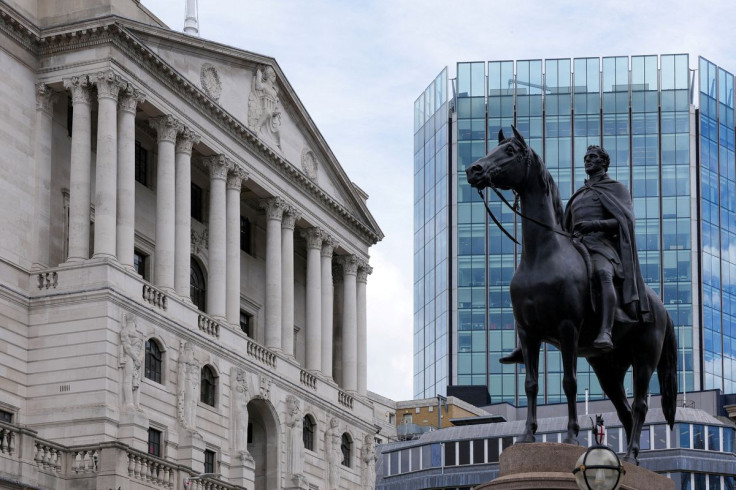
The Bank of England (BoE) has announced a reduction in the capital requirement for UK banks, the first such move since the 2008 global financial crisis.
Under the new rules, the benchmark for Tier-1 capital (the core equity banks must hold against their risk-weighted assets) will drop from 14% to 13%.
This adjustment follows a comprehensive review of the BoE's capital framework, meant to reflect current market and banking system conditions.
Why the Change and What's Behind It
The easing comes after the UK's largest banks passed recent stress tests, demonstrating they can absorb severe economic shocks, suggesting they hold enough capital to remain stable even under duress.
In reducing the required capital buffer, the BoE aims to free up balance sheets, enabling banks to deploy more capital toward lending to households and businesses, or to return capital to shareholders.
Additionally, regulators have flagged that previous rules may now be overly conservative, especially given the firmer capital cushions many banks already carry.
What It Means for Consumers and the Broader Economy

Potential for More Lending
With lower capital requirements, banks have more flexibility to issue loans. This could mean more mortgages, small-business loans, and consumer credit, potentially easing borrowing conditions for individuals and firms.
In theory, greater lending could stimulate economic activity, help businesses expand, and support households seeking credit. For borrowers, this could translate to broader access to credit or more competitive lending terms.
Possible Boost to Bank Shareholders
Banks may choose to return freed-up capital to investors via dividends or stock buybacks, rather than increasing lending. That could benefit shareholders or institutional investors, though the financial-market boost may not translate directly into everyday consumer benefits.
Risks and Trade-Offs
Reducing capital buffers does come with trade-offs. Capital requirements exist to ensure banks can absorb losses and protect depositors, especially in a severe downturn. Lowering the ratio could increase systemic risk if economic conditions deteriorate.
Moreover, while Tier-1 capital requirements are eased, other safeguards remain in place. For example, the leverage ratio—a separate metric that limits banks' overall borrowing relative to their total exposures—remains in place for large lenders.
Critics warn that loosening regulatory capital standards too far could erode the post-2008 gains in financial stability, leaving banks more vulnerable if an economic shock hits.
What Happens Next
The new requirement is set to take effect in the near future, giving banks time to adjust their capital strategies.
Regulators will closely monitor whether banks indeed increase lending or channel the extra capital to shareholders. If lending rises, individuals and small businesses might see greater credit availability.
On the other hand, if credit conditions worsen or risk builds up (for example, through excessive mortgage lending), systemic banking risks could increase, which might eventually be passed on to consumers via higher borrowing costs or reduced lending if banks become more cautious.
What This Means for You
- If you're looking for a mortgage or a loan, banks may become more willing to lend, potentially improving your chances of approval or access to credit.
- If you're an investor or shareholder in UK banks, the change could lead to higher dividends or share buybacks, boosting returns.
- If you care about financial stability, it's worth watching whether banks maintain prudent lending standards, given the reduced capital cushions.
Ultimately, the loosening of capital requirements represents a shift in balance, from an emphasis on conservatism and safety, toward growth, lending and economic stimulation. Whether it delivers broadly positive outcomes for households and businesses or sows the seeds for future risks will depend on how banks and regulators manage the trade-offs ahead.
© Copyright IBTimes 2026. All rights reserved.
- MOST POPULAR IN Personal Finance