Banking Updates: Lloyds Bank, HSBC, NatWest Changes and What They Mean for You
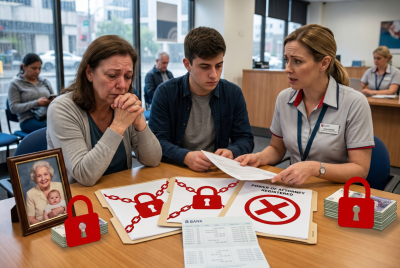
Changes aim to stop sudden account closures, giving customers more time to respond and challenge decisions they believe are unfair

Significant new rules are set to change how banks like Lloyds, HSBC, and NatWest handle account closures, offering customers more protection and clarity.
From 28 April, banks are required to give customers at least 90 days' notice before closing accounts or ending payment services, up from the previous two months. These rules apply to new contracts signed on or after this date and also cover basic personal bank accounts. The updates aim to prevent situations where people or businesses are left without banking services unexpectedly.
What Are the New Banking Regulations?
The new regulations are part of a wider effort by the government to protect consumers from sudden account closures. Prior to this, banks could close accounts with only two months' notice, sometimes without giving detailed reasons. Now, banks must provide a written explanation for closing an account, making it easier for customers to understand and challenge the decision if needed.
Labour first announced the measures in April 2025, claiming they would reduce the risk of customers being cut off from banking services without warning. The rules cover both individual and business accounts, especially those that are basic personal accounts. This change is designed to improve transparency and give customers more control over their banking options.
Why Are These Changes Important?
De‑banking, the practice of closing accounts or refusing to open new ones, can happen for various reasons. Banks say closures are sometimes necessary to prevent illegal activities like money laundering or terrorism financing. But cases have arisen where accounts are shut without clear explanation, raising concerns about fairness.
In 2023, the case of Nigel Farage's accounts at Coutts, part of NatWest Group, drew attention. The bank closed his accounts amid assessments of his political beliefs, a move that many questioned. Such incidents highlighted the need for better protections for customers facing account closures.
How Will Customers Benefit?
Under the new rules, banks must tell customers why their accounts are being closed in writing. This will give customers the chance to challenge decisions they believe are unfair. Customers will now be able to escalate complaints to the Financial Ombudsman Service if they are dissatisfied with the explanation.
Emma Reynolds, the economic secretary to the Treasury, said: 'Under the new rules, customers will receive more notice of account closures, be entitled to an explanation as to why their account has been closed and have more opportunity to challenge such decisions.' This is especially significant for small businesses, which often struggle when accounts are closed with little warning.
The regulations also include exceptions where banks must act quickly to comply with financial crime laws. Despite this, the overall aim is to ensure fairer treatment and clearer communication. Banks are now prohibited from discriminating against customers based on political views or beliefs when offering payment accounts.
Additional Protections for Customers
The Treasury has confirmed that the nine largest personal current account providers must offer basic bank accounts to all UK residents who are eligible. This ensures that even those who do not qualify for standard accounts can access essential banking services. The move is part of ongoing efforts to make banking more inclusive and accessible.
The new rules are designed to make banking fairer and more transparent. Banks will have to give proper notice, explain closures clearly, and allow customers to contest decisions. For many, this will mean fewer surprises and better protection when it comes to their finances.
© Copyright IBTimes 2026. All rights reserved.
- Recommended For You