

What To Do After a Cyberattack: How Businesses Can Limit Damage, Recover Systems and Regain Control
Containing affected systems, preserving evidence and reporting breaches promptly can limit financial, legal and reputational damage
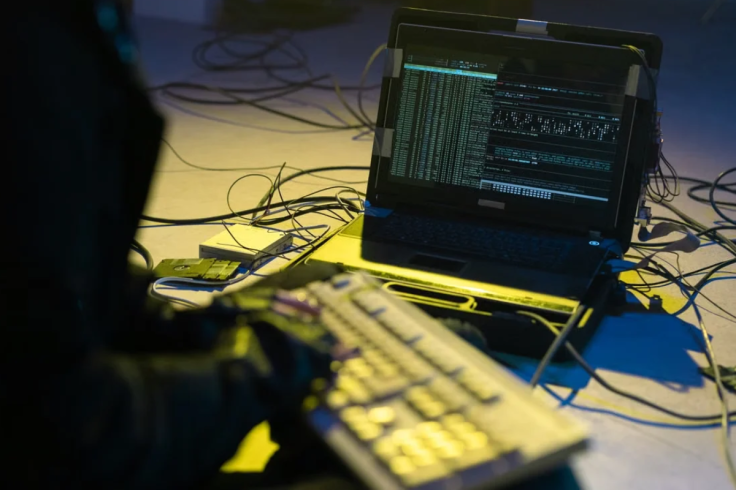
A cybersecurity attack can unfold in minutes, but what happens in the first few hours can significantly influence the extent of the damage a business suffers. Whether the incident involves ransomware, stolen customer data or a compromised website, cybersecurity guidance recommends acting quickly, documenting each step and notifying the relevant authorities to help reduce potential financial, legal and reputational damage.
Many organisations focus heavily on preventing cyberattacks but spend less time preparing for what comes after one. Guidance from the Law Society, cybersecurity specialists and IT providers stresses that a clear response plan is just as important as strong digital defences because even well-protected businesses can become targets.
Service Outages Fuel Cyberattack Speculation
Several major online services and financial platforms experienced reported outages, prompting speculation about possible cyber incidents. However, authorities and company representatives said there was no confirmation that the disruptions were caused by cyberattacks. Microsoft Outlook and Teams services also experienced an outage before the weekend, prompting further speculation, although Microsoft said there was no evidence of malicious activity.
Mike Chapple, an IT, analytics and operations expert at the University of Notre Dame, told CBS News: 'When we dig into the details, each one has an explanation that makes sense on its own, but they all point to a common theme: the complexity and fragility of the systems that we depend on every day.'
Kayne McGladrey, a security expert and senior member of the Institute of Electrical and Electronics Engineers, advised affected customers to visit their bank branches and also warned that unsolicited emails can be used in phishing attempts.
What To Do After a Cybersecurity Attack
If cybersecurity has been compromised, the first step is to contain the damage. Businesses should isolate affected devices or networks, disconnect compromised systems from the internet, disable remote access and change passwords where necessary. Applying security updates and activating an incident response plan can also help prevent further disruption.
Organisations should avoid deleting files or altering systems before an investigation is completed. Preserving evidence and documenting every action helps with regulatory reporting, insurance claims and identifying how hackers gained access.
If a website has been compromised, temporarily taking it offline may limit further risks. Businesses should check whether clean backups are available before attempting recovery. Security teams must assess which systems were affected, what data may have been accessed and whether clean backups can be safely restored.
Reporting and Recovery
The reporting process depends on the type and impact of the attack. Under UK data protection rules, organisations may need to notify the Information Commissioner's Office if a personal data breach is likely to pose a risk to individuals' rights and freedoms. Where notification is required, it must be made without undue delay and, where feasible, within 72 hours of becoming aware of the breach.
Legal firms may also have reporting obligations to the Solicitors Regulation Authority, depending on the circumstances. The regulator expects firms to report cyberattacks promptly where they or their clients are directly affected, particularly where client services, data or assets are at risk.
Customers may need to be notified if their personal information is affected and the breach creates a high risk to their rights and freedoms. Organisations should also contact insurers, banks and cybersecurity providers for support with investigations, recovery and potential claims.
Once operations are restored, businesses should review what happened and strengthen security measures. A cyberattack should become a learning opportunity, helping organisations improve their defences and response plans for future threats.
© Copyright IBTimes 2026. All rights reserved.