Charles Bronson's Fight for Freedom Stalls as Parole Rules Trap Him in Prison
The Parole Board reviews Charles Bronson's case amid history of violence

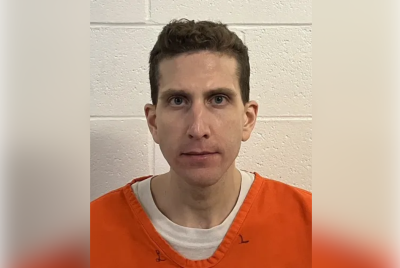
Britain's most violent prisoner, Charles Bronson, has spent half a century behind bars. The Parole Board is reportedly reviewing Bronson's case, which could lead to his freedom, but the prisoner fired his lawyer after his public hearing appeal was rejected.
Bronson, who now goes by Charles Salvador, was incarcerated in the 1970s, initially for armed robbery. Decades later, Bronson has remained in prison, with reports of violence inside the correctional facility stalling any chance of him being released.
According to Sky News, the now 73-year-old prisoner received a life sentence in 1999 when he held a prison art teacher hostage. In 2014, Bronson assaulted a prison governor, resulting in his last conviction.
Bronson's Ninth Parole Review
A parole review was set to take place this week, following Bronson's sacking of his lawyer. He reportedly refused to engage with the review process in protest after being denied a public hearing he had requested. This is currently Bronson's ninth appeal to the Parole Board.
The parole board is reviewing the case of Charles Bronson. After more than 50 years behind bars, they could decide whether he’s eligible for release.
— Sky News (@SkyNews) February 18, 2026
Sky's @skymartinbrunt investigates pic.twitter.com/RGOLKwyNTA
In Bronson's letter to Sky News, he stated that he wanted no participation in 'the farcical jam roll,' which meant parole, and asked, 'What are they afraid of? The truth getting out?' The Parole Board panel is due to assess Bronson's application today, 18 February.
The assessment, which involves the panel reviewing written statements from prison staff, probation staff, Bronson's legal team, and his psychiatrists, will determine if releasing him will not pose a risk to the public. It will also determine if the restrictions will be manageable enough as to not interfere with his activities.
The Parole Board panel's decision can go three ways: make Bronson a free man, propose moving him to an open prison, or hold off his case altogether for an oral hearing.
A Criminal History Marked by Violence
Of the 52 years Bronson has spent locked up, he spent most of his time in solitary confinement. Bob Johnson, the psychiatrist who had attended to Bronson three decades ago, said he believes Bronson is furious, but rightly so, as he has endured so much from his time in prison.
Johnson said, 'The Parole Board doesn't need to hear from him to make its decision. He's very provocative. I don't think he means it when he says he doesn't want anything to do with his review. Very clearly, he enjoys the battle. He likes sticking up for himself.'
He should be released and given a chance at especially when you see some of the sentences some pedos rapist and murderers get which is far far worse that what Charles Bronson did https://t.co/DamTIJHil7
— Rory🏴 (@flub5568) February 18, 2026
In 2023, following Bronson's last parole hearing, his behaviour, albeit showing improvements, failed to convince board members to move him to an open prison. He was moved to another high-security prison, where he is in solitary confinement for 23 hours a day.
Ex-governor at Belmarsh prison John Podmore admitted to moving Bronson to a normal cell 30 years prior, in an attempt to control his outbursts. It was unsuccessful, and in a few weeks, Bronson was sent back to a high-security prison.
Podmore described Bronson's case as a Catch-22. According to him, 'He's not being moved because of his propensity for violence, but unless he's moved, he can't demonstrate he has changed.' On Bronson's potential release, he said, 'The Parole Board recommended last time what I was trying to do 30 years ago, but it's a Catch-22 situation,' per Island FM.
No formal decision on Bronson's parole review has been publicly announced.
At this moment, review on Bronson's parole once again looks into the complex considerations that have been present throughout the entirety of his case. While the latest parole outcome has again brought the case to the forefront of the public consciousness, it is clear that the implications of the decision extend far beyond the individual in question.
© Copyright IBTimes 2025. All rights reserved.
- Recommended For You