Charles Spencer Recalls Prince Charles Told Diana 'I'm Not in Love With You' Before Wedding Day
Charles Spencer says Princess Diana was in love with King Charles despite an alleged warning before their 1981 wedding
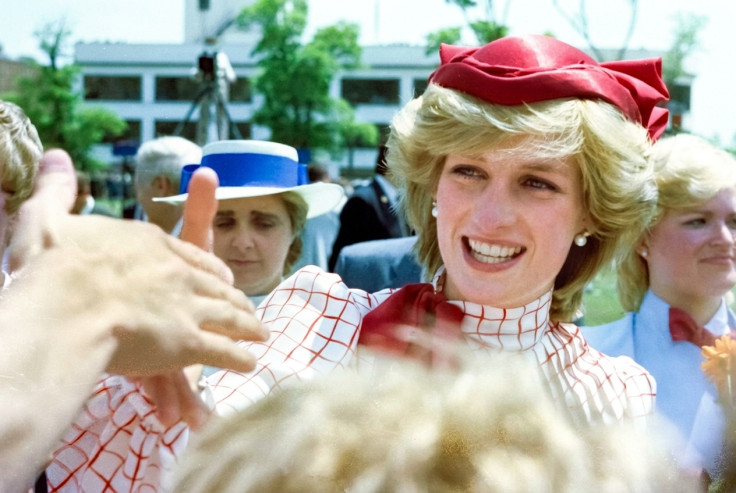
Charles Spencer said Princess Diana was 'genuinely in love' with then-Prince Charles when they married in London in July 1981, despite her telling him that Charles had said he was not in love with her the day before the ceremony.
The 9th Earl Spencer made the claim during an appearance on CBS Mornings on 28 September, while discussing his new memoir, Swan Song: Diana, My Sister.
His account is based on what Diana told him. Spencer did not hear the alleged exchange himself, so it cannot be independently verified.
Charles Spencer Recalls Diana's Doubts
The news came after Spencer reflected on the decision Diana faced before her wedding. According to his recollection, she had already voiced doubts to their father before telling her younger brother about the alleged conversation with Charles.
Gayle King asked Spencer why Diana went through with the marriage despite those concerns. He said he had found her feelings for Charles clear during their engagement.
'Well I, as a younger brother, I was very reassured,' Spencer said. 'You know, when I talked to Diana before the wedding, during the engagement, she was clearly, genuinely in love with Prince Charles, you see.'

Spencer was 17 when Diana married Charles. He said she had 'no romantic experience at all' and viewed the relationship as her 'first big love'. That lack of experience, combined with the scale of the wedding and her position within the royal family, made the decision difficult, he suggested.
The alleged remark attributed to Charles remains a recollection rather than established fact. Spencer presented it as something Diana had told him, not as a conversation he personally witnessed. That distinction matters, especially when the claim concerns a private exchange from more than four decades ago.
Still, his explanation of Diana's thinking was direct. Spencer said her emotional commitment may have outweighed her reservations.
Why Charles Spencer's Account Matters Now
'I think, with Diana, she was very much somebody of the heart,' Spencer told King. 'She led with the heart, and she was really her own person, and maybe she thought it would be okay.'
That phrase captures the tension at the centre of Spencer's account. Diana was not presented as unaware of the risks. Rather, she appears to have continued towards the wedding while holding doubts that her feelings might somehow overcome them.
The interview forms part of a wider campaign for Swan Song: Diana, My Sister, which was published in September 2026. Penguin Random House described the book as Spencer's account of Diana's life, death and the aftermath from the perspective of her brother.
The memoir also contains other disputed claims about the royal family. These include Spencer's recollection of a telephone call after Diana's death and an allegation concerning her view of Charles's private life. Those claims are separate from the wedding account and should not be treated as corroboration.
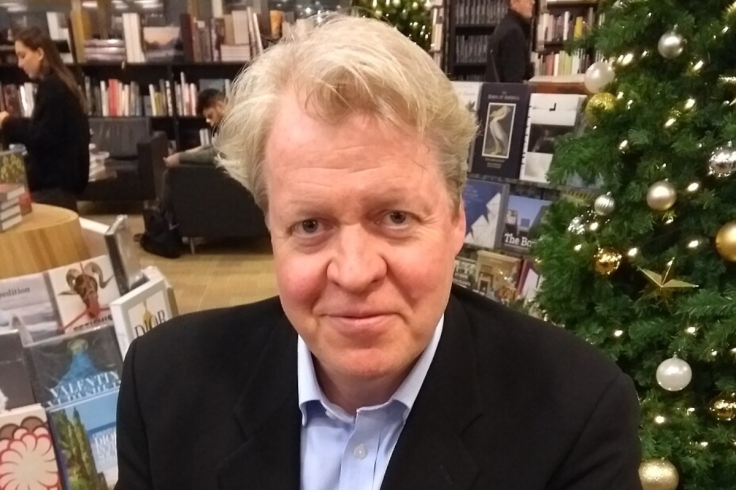
Buckingham Palace has responded to earlier extracts from the book without addressing the specific allegations. A spokesperson said the Palace did not comment on books as a matter of principle, but added that 'the pain of fraternal grief can cloud reason, affect judgment and color memory in ways others do not recognize, even many years after such a loss'.
The wording was unusually pointed, even within the careful language of royal statements. It also frames the central problem with Spencer's memoir. His memories are intimate, but intimacy does not automatically make a recollection complete or independently provable.
Spencer has rejected the suggestion that bitterness shaped his account. Speaking to PEOPLE, he said his role as a historian was to record facts.
'There's no viciousness. I'm not resentful or bitter or any of those things,' he said. 'It's just a straightforward fact that that was the case, and I think that's important for people to know.'
The book's publication has therefore reopened familiar questions about Diana's marriage, but with a new witness at the centre of them. Spencer was close enough to hear his sister's private fears, yet distant enough from the alleged conversation to leave the most striking detail unresolved.
What can be confirmed is that Spencer now says Diana loved Charles deeply before their wedding. What cannot be confirmed is whether Charles used the words attributed to him, or precisely how Diana understood them at the time.
For a woman about to enter one of the most watched marriages in the world, that gap between hope and certainty remains the story.
© Copyright IBTimes 2026. All rights reserved.
- Recommended For You