Paedophile Who Used AI To Remove Children's Clothes in Photos Was Bailed Near Playground Despite Objections
Zafer Dogan was sentenced to two years and four months after admitting offences involving AI-altered images and child abuse material
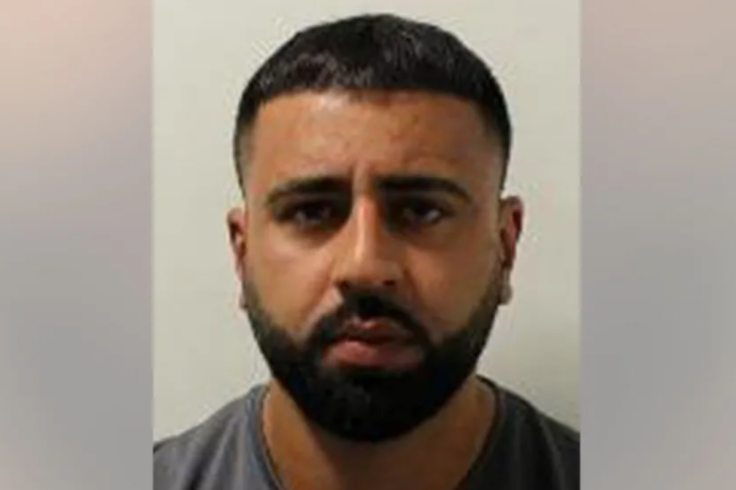
A convicted paedophile who used artificial intelligence to strip clothes from images of children was repeatedly bailed back to a flat overlooking a playground, despite prosecutors warning three times he posed a risk to the public.
Zafer Dogan, 32, was sentenced to two years and four months in prison at Wood Green Crown Court on Thursday, 24 September, after pleading guilty on 6 August to nine offences, including making indecent images of children, possession of a prohibited image of a child, possession of extreme pornography, creating a purported intimate image of an adult and obstructing a constable.
The Metropolitan Police said prosecutors opposed bail on three occasions, supported by a detailed risk assessment from officers. Each application was rejected and Dogan was allowed to return to his Enfield flat, which looks out over a children's playground, while the case went through the courts.
Thousands of Secret Images Uncovered
Dogan was arrested on 16 July after officers found more than 5,000 photographs of women and children on his phone. Many had been taken from his bedroom window, while others showed people he had followed in the surrounding streets. As officers approached his flat, he ran away and threw his phone into a neighbour's garden; police dogs later recovered the device.
Prosecutors told the court that Dogan had used AI to turn 33 photographs of women and two photographs of girls, aged seven and 13, into sexually explicit images, including by digitally removing their clothing, without their knowledge or consent.
A further search of his device uncovered about 1,800 additional indecent images of children, along with extreme pornography including material involving bestiality. The court heard that 653 of the images fell into Category A, the most serious classification.
Sentencing Dogan, Judge Alexander Jacobs described his offending as 'depraved' and 'perverted'. Defence barrister Joseph Carr said Dogan wished to convey 'the sincerity of his remorse and reassurance' that the AI-generated images had not been shared. Carr also told the court that Dogan's family had been served an eviction notice and were due to leave their home of 30 years in the coming days.
Police Attack 'Failings' in Bail Decisions
Metropolitan Police Commissioner Sir Mark Rowley said the case was 'yet another example of victims being let down by a criminal justice system that too often fails to put their safety first — in this case, children'. Rowley argued that pressure to reduce the remand population had 'contributed to more dangerous and prolific offenders being granted bail routinely despite strong submissions from the police and CPS'.
A government spokesperson said bail should only be granted where necessary and proportionate, and pointed to new legislation targeting AI tools designed to create child sexual abuse images and websites that distribute such material, as part of wider efforts to address the misuse of AI.
Metropolitan Police Constable Natalie Scagliarini, who worked on the investigation, said Dogan's behaviour was 'predatory and dangerous'.
Two mothers of the girls whose images were altered gave victim impact statements read to the court, describing the lasting distress caused to their daughters.
Most of those photographed by Dogan remain unidentified. Police have appealed for any women or parents who believe they or their children may have been photographed or filmed by Dogan to contact officers.
© Copyright IBTimes 2026. All rights reserved.
- Recommended For You