

Why Were Six More Women's Allegations Against Russell Brand Kept From the Public Until After His Trial?
Investigation by The Times and The Sunday Times details corroborated claims from 2005 to 2015 days after comedian was jailed for 10 years and six months
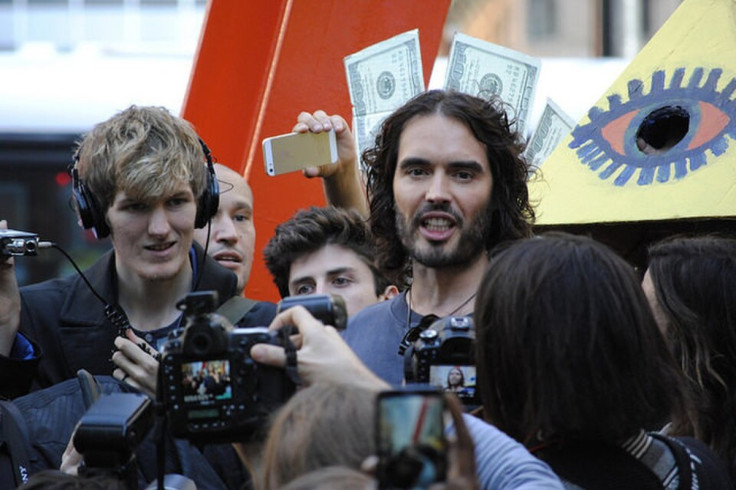
Russell Brand has been accused of sexual misconduct by six additional women in a major investigation published days after his criminal trial concluded.
On Thursday, 12 November 2026, The Times and The Sunday Times published the inquiry, which details alleged incidents spanning a decade between 2005 and 2015, including claims of non-consensual sexual activity, unwanted touching, and coercive behaviour.
The timing has raised questions about why the accounts remained unpublished while the comedian faced charges of rape and sexual assault.
The disclosures arrive days after a jury convicted Brand on 5 November of one rape and three sexual assaults involving four women, whilst acquitting him of three separate charges.
On Monday, 9 November, Judge Joel Bennathan sentenced the former broadcaster to 10 years and six months in prison, stating that Brand's celebrity status had protected him until investigative reporting in 2023 encouraged complainants to come forward.
Why Were the Six Women's Allegations Withheld?
According to The Guardian, the additional allegations could not be reported until Brand's criminal case ended because publication risked influencing the proceedings.
The decision reflected concerns about trial fairness rather than any established agreement to protect the comedian.
Under the Contempt of Court Act 1981, publications concerning active criminal proceedings can create legal problems if they pose a substantial risk of seriously prejudicing a trial. Reporting unrelated allegations against the same defendant could potentially affect how jurors assess evidence presented in court.
Brand's Lawyer Accused Journalists of 'Poisoning the Well of Justice'
During closing arguments on 2 November, Brand's barrister, Ian Winter KC, criticised earlier investigations by Channel 4's Dispatches and the newspapers. According to ITV News, Winter argued that the 2023 reporting had 'poisoned the well of justice'.
He claimed the publicity influenced complainants who subsequently approached police, describing the prosecution case as 'fundamentally compromised'. These were defence arguments, not established findings, and the jury ultimately convicted Brand on four charges.
What Did the Six Additional Women Allege?
One woman alleged Brand continued sexual activity after she asked him to stop because he was not wearing a condom. Another, who met him in 2007, claimed he ignored her objections during a painful encounter, telling investigators, 'And I say "stop" and he doesn't stop.'
Other allegations included unwanted sexual touching, coercive behaviour and an incident involving a woman working at a London venue in 2015. The newspapers reported having taken extensive steps to corroborate the accounts with supporting material and witnesses.
What Changed After Brand's Conviction?
On 5 November, a jury convicted Brand of one rape and three sexual assaults involving four women, while acquitting him of three other charges. Judge Joel Bennathan sentenced him to 10 years and six months in prison on 9 November.
In his sentencing remarks, the judge said Brand's celebrity status had protected him until investigative reporting in 2023 encouraged women to come forward.
Could the New Allegations Lead to Further Investigations?
The Times reported that some of the six additional women had contacted police, although their allegations have not resulted in further convictions.
Brand has previously denied sexual wrongdoing, while his legal representatives reportedly provided no substantive response to the new allegations by the agreed deadline.
The six women's allegations remained unpublished during Brand's criminal trial because journalists feared that reporting them could prejudice the proceedings. Their accounts became public after the trial concluded, demonstrating how concerns about jury impartiality can delay the publication of serious allegations even when journalists have already gathered supporting evidence.
© Copyright IBTimes 2026. All rights reserved.