

Cornell Frat Brothers Tried 'Damage Control' After Gang Rape Allegation, Texts and Calls Suggest
Chi Phi members allegedly contacted Jane Doe almost daily after assault claim as state investigation advances
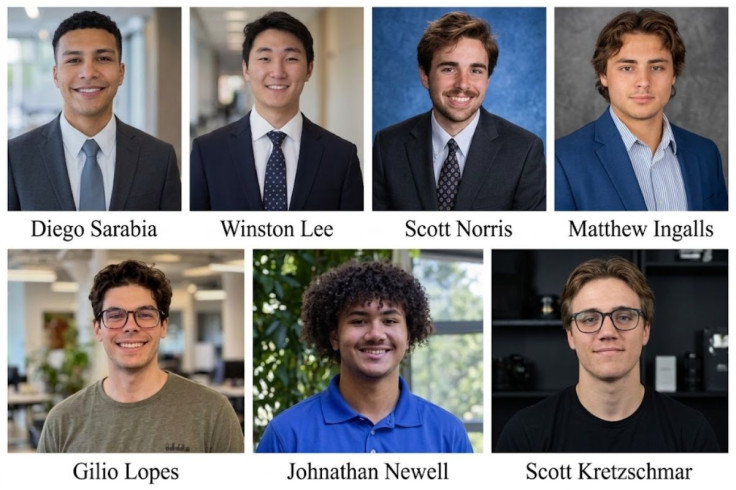
Some members of Cornell University's Chi Phi fraternity tried to contact a woman identified as Jane Doe 'almost every day' after an alleged sexual assault in October 2024, according to a friend's account in university records reviewed by ABC News. Students interviewed during Cornell's investigation described some members' conduct as 'damage control', the outlet reported.
Doe alleges in a civil lawsuit filed on 16 September 2026 that multiple fraternity members drugged and sexually assaulted her at the chapter house. Seven men accused of sexual assault are among the defendants. They have denied wrongdoing and no criminal charges have been reported against them.
Messages Reviewed in Cornell Inquiry
In the witness account cited in the report, a friend of Doe said some fraternity members tried to contact Doe 'almost every day'. The friend interpreted those attempts as efforts to 'keep them on her good side' and ensure she was 'happy and not upset about the situation'.
Other students described some members' actions as 'damage control'. That was their characterisation, not a finding that any defendant concealed a crime or obstructed an investigation.
Messages cited in the report, exchanged around Cornell's suspension of Chi Phi in November 2024, included a question from Matthew Ingalls about whether he should call Doe. The chapter president told him to wait while the executive board considered its response.
A witness told Cornell investigators that she understood some messages from Ingalls as attempts to convince her that Doe was lying. The reported records also described messages in which he encouraged the witness to submit evidence that could help exonerate him.
In a recorded call described in the report, Doe told Ingalls that she wanted to understand what had happened. She said 'what y'all did would be classified as gang rape', while he replied that it was 'possible that both of us like remember this and it's not true'.
According to the broadcaster's account of the investigation, Ingalls later said he had been too intoxicated to consent and suggested that Doe had assaulted him. Ingalls has denied wrongdoing, and his account and Doe's allegations remain disputed.
Cornell's Disciplinary Findings and Review
Cornell began its internal investigation in November 2024 and continued through May 2025, according to the reported records. Investigators examined communications, recordings and witness accounts.
CBS News reported that Cornell said two men were expelled, two were suspended for at least two semesters, and one had graduated before sanctions could be imposed. Two others were found not responsible for sexual misconduct.
Those outcomes arose from the university's disciplinary process and were separate from any criminal determination of guilt.
Cornell has announced plans for an independent review by an outside law firm of its handling of the allegations and investigation. The review concerns the university's response, rather than a determination of whether the alleged assault occurred.
Prosecutors' Evidence Review Under Scrutiny
Tompkins County District Attorney Matthew Van Houten's office decided in November 2024 that criminal charges were not appropriate based on the evidence it had reviewed.
The New York Times reported that a Cornell police investigator informed a member of the district attorney's staff on 25 November 2024 about additional interviews conducted by campus police. According to the investigator's notes, prosecutors did not express interest in the additional material and reiterated that charges would not be pursued based on Doe's statement.
In a statement published on 28 September 2026, Van Houten defended the initial decision. He said Doe's six-page sworn statement described voluntary drug use and consensual sexual conduct.
© Copyright IBTimes 2026. All rights reserved.