France Expresses Regret Over Human Rights X Post After US Walkout at UN Security Council
The message triggered a US walkout at the UN and reportedly delayed approval of France's next ambassador to Washington
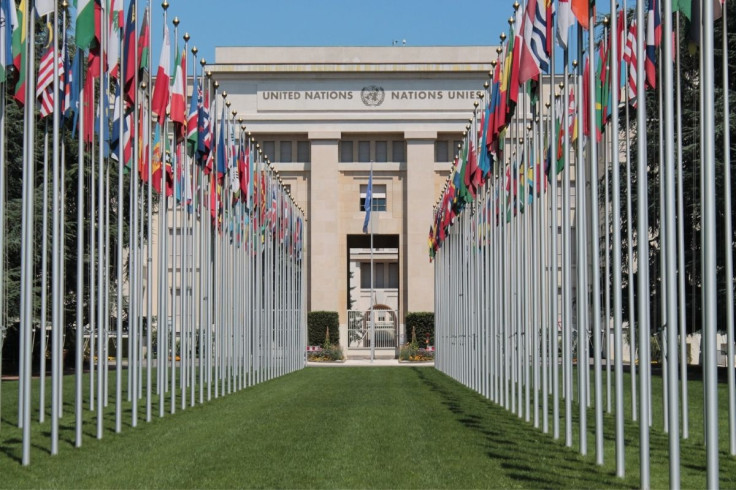
France has expressed regret over an X post that accused the United States of abandoning its role as a human rights leader, bringing a weeks-long diplomatic dispute closer to a resolution.
The July message triggered a sharp response from Washington, including a US delegation walkout at the United Nations Security Council and a reported hold on the appointment of France's next ambassador to Washington.
The dispute began after the United States voted against extending the mandate of UN High Commissioner for Human Rights Volker Türk. The UN General Assembly approved the four-year extension by 144 votes to 10, with 13 abstentions, while France supported the extension and the US, Russia and Israel opposed Türk's reappointment.
France's subsequent criticism escalated tensions between the two permanent members of the Security Council.
US diplomats walked out of a 27 July meeting as French Ambassador Jérôme Bonnafont took the floor, while Washington also reportedly withheld formal approval, known as agrément, for Aurélien Lechevallier, France's designated ambassador to the United States.
France Regrets Controversial X Message
The French Permanent Mission to the UN in Geneva said it regretted the 25 July message, which had criticised Washington's position on Türk's reappointment.
The mission said the disagreement between France and the United States concerned 'one vote' rather than the broader issue of defending human rights, while reaffirming the importance of the wider relationship between the two countries and France's willingness to continue working with Washington on shared international priorities.
The original post was sharply worded. It criticised the US for voting against extending Türk's mandate alongside countries including North Korea, Nicaragua, Mali and Russia.
'The US used to be a beacon of human rights. Not anymore,' the French mission wrote, adding that Washington now stood alongside those countries and was 'isolated'. The post ended by saying that 'the world no longer listens to it'.
US Walkout Escalated the Dispute
Washington responded sharply to the French criticism. On 27 July, the US delegation left a Security Council meeting as Bonnafont began speaking during a session on Ukraine, with US officials accusing France of engaging in what they described as 'disingenuous grandstanding' over the dispute.
The confrontation also affected France's diplomatic representation in Washington. Reuters reported in July that the US was considering delaying or blocking Lechevallier's appointment after the French mission's X post triggered anger among senior officials in President Donald Trump's administration.
Lechevallier was selected to replace Laurent Bili as France's ambassador to the United States, and Paris had aimed to have him in post by September, but the US had not granted the required agrément.
Why the Volker Türk Vote Mattered
The diplomatic clash centred on Türk's second term as the UN's top human rights official. The General Assembly voted on 24 July to renew his mandate for another four years, beginning on 12 October 2026. The final vote was 144 in favour, 10 against and 13 abstentions.
The vote followed objections from the United States, Russia and Israel. Russia separately proposed extending Türk's mandate only until the end of 2026, but the proposal was rejected. The French mission's criticism came the following day, turning an already contentious UN vote into a public dispute between two close Western allies.
Regret Could Help Ease Diplomatic Standoff
France's expression of regret could help clear the way for Lechevallier's appointment, although the timing of any US approval remains uncertain.
The US State Department acknowledged the French statement and indicated that it appreciated the gesture, according to Reuters.
Le Monde reported that a call between French Foreign Minister Jean-Noël Barrot and US Secretary of State Marco Rubio was expected as the two sides worked to resolve the dispute.
Even if Washington restores its approval, the timing of Lechevallier's arrival in Washington remains uncertain.
The episode illustrates how a single social media post can quickly escalate into a wider diplomatic confrontation, particularly when it involves sensitive disputes over human rights and the public standing of two major UN Security Council powers.
© Copyright IBTimes 2026. All rights reserved.
- Recommended For You