

How Rat-Infested Classrooms and Collapsed Ceilings Triggered Mass Protests and Chaos in France
Protests over deteriorating school facilities and teacher shortages widened into broader demonstrations involving unions, political groups and reported clashes with police

Poor school conditions helped spark protests in France in mid-September, as students in Créteil, near Paris, demonstrated over teacher shortages and deteriorating facilities. The demonstrations later spread to other parts of the country, drawing workers, trade unions and political groups as clashes with police and reports of property damage intensified.
French President Emmanuel Macron condemned the violence as the unrest grew. However, the movement involved people with different demands, making it important to distinguish the original student protests from the wider demonstrations and violent incidents that followed.
How School Conditions Helped Spark France's Protests
The initial demonstrations focused on problems inside public schools. Students in Créteil protested over teacher shortages and deteriorating facilities. Reports described accounts of rats, leaking roofs, collapsed ceilings and broken furniture, particularly in lower-income neighbourhoods.
Students' complaints centred on whether their schools had sufficient staff and suitable facilities to provide a proper education.
The demonstrations reportedly spread from Créteil to other Paris suburbs and then to towns and cities across France. Class strikes, school blockades and protests followed. Some schools reportedly closed after property damage or attacks on staff.
By late September and early October, confrontations between protesters and police had become increasingly violent. While education remained an important concern, other grievances also drew people onto the streets.
France Protests Raise Questions About Police Tactics
Police used tear gas, batons and other crowd-control weapons as officers attempted to disperse demonstrators. Serious injuries among young protesters prompted questions about the circumstances in which force was used.
One case involved a 15-year-old who reportedly suffered a severe hand injury after a grenade exploded during a school blockade in Lens on 5 October. The precise circumstances of the incident and the weapon involved should be established through original reporting and investigation records before publication.
Another pupil, identified as 14-year-old Eden, reportedly suffered a double jaw fracture and serious dental injuries after being struck by a projectile fired from a police grenade launcher in Saint-Ouen-l'Aumône on 28 September. Reports described investigations into the circumstances of the injury and the use of the weapon.
The cases underline the seriousness of the injuries reported during the demonstrations. However, the precise circumstances and any legal responsibility must be distinguished from allegations or preliminary findings while investigations remain ongoing.
A cumulative figure of 6,773 student arrests since September was reported, alongside figures for people released without charge and those facing legal action.
How France's Protests Drew in Workers and Political Groups
The demonstrations eventually attracted people whose demands extended beyond education. The General Confederation of Labour, known as the CGT, reportedly supported workers demanding lower prices, higher wages and increased pensions.
Members of the Gilets Jaunes, or Yellow Vests, were also associated with demonstrations linked to economic grievances and the movement that emerged in 2018. Teachers and parents reportedly joined protests amid concerns about police conduct and injuries to students.
Other participants included environmentalists, anti-war campaigners and right-wing groups. Their presence reflected a range of political and economic demands rather than a single shared objective.
The unrest also involved reports of damage to public buildings in several cities. In Marseille, groups entered the town hall and vandalised the building. Lyon's tourism-office pavilion was reportedly set on fire, while a fire gutted Limoges' historic town hall.
How Has Macron Responded to France's Protests?
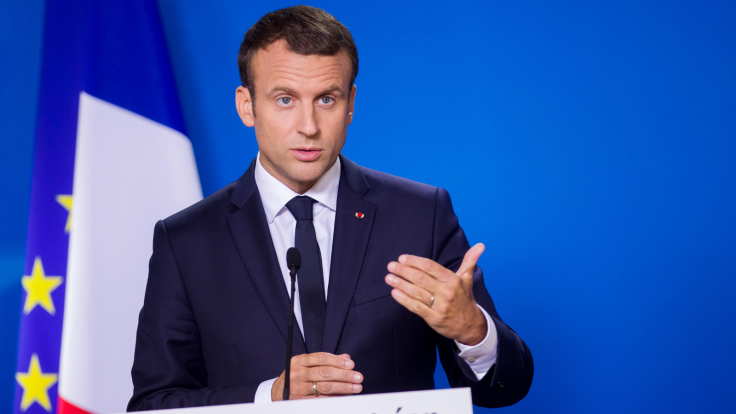
Macron condemned the violence in remarks reported during the unrest. He was quoted as saying: 'Nothing justifies it, nothing explains it, nothing excuses it.' He also reportedly warned that those responsible for looting would have to pay for the damage and that people seeking to undermine the Republic would be held accountable.
Curfews were also reportedly introduced in selected areas as authorities responded to the unrest. The locations, dates and officials responsible for individual measures should be confirmed through official announcements.
The unrest also highlighted political divisions over policing and the response to student demonstrations. Left-wing politician Jean-Luc Mélenchon reportedly supported students and criticised police actions. Marine Le Pen was also reported to have called for broader police powers.
Meanwhile, images and videos showing fires, damaged buildings and confrontations circulated online. Some viral material was reportedly misleading, including an image involving a person dressed as the Pink Panther.
Protests over poor school conditions and teacher shortages in France have widened to involve trade unions, political groups and clashes with police. The unrest has raised concerns about education, policing and public safety, putting pressure on the government to address students' grievances and prevent further escalation.
© Copyright IBTimes 2026. All rights reserved.