

Remembrance Day 2026: How Will Future Generations Honour the Last Veterans?
Schools, ceremonies and symbols such as the poppy are helping children understand conflicts they did not witness
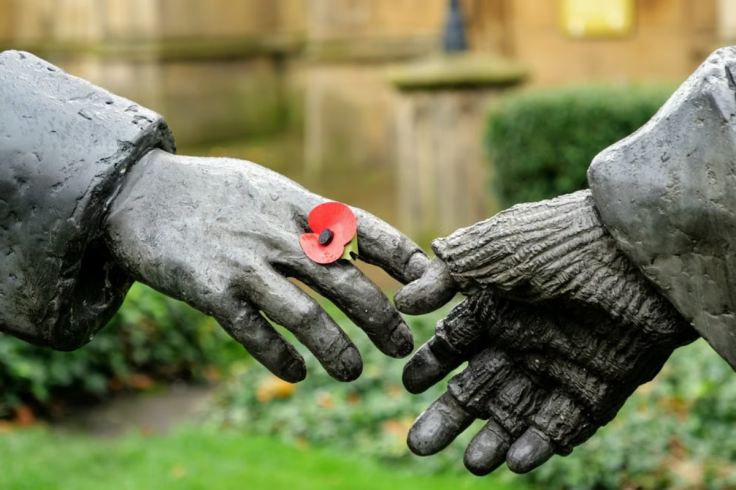
Each year, communities across the Commonwealth mark Remembrance Day on 11 November, while the UK's main national ceremony takes place on Remembrance Sunday, the Sunday closest to the date. The day honours those who served in wars and conflicts. But as the number of surviving veterans from the Second World War and more recent military operations continues to decline, a new question is emerging: how will future generations remember when fewer people remain to share their experiences?
On Remembrance Sunday, the annual national service at the Cenotaph in London brings together members of the Royal Family, politicians, veterans and serving personnel to honour those who lost their lives in military service. Wreaths are laid at the Cenotaph, which was unveiled in 1920 as the national memorial for those who died during the First World War and later became a place of remembrance for those who died in subsequent conflicts.
Twelve Second World War veterans were among those who took part in the veterans' march-past, according to organisers.
Remembrance Day 2026 Faces a New Test as Children Inherit the Stories of War
Every year, many schools across Britain introduce pupils to Remembrance Day through activities that include assemblies, two-minute silences, poppy-related activities and visits to local memorials. However, teaching children about war requires a balanced approach.
'It is hard to gauge whether they will fully understand the significance of a day of remembrance,' wrote AJ Birt of The Bristorian, noting that engaging younger children with Remembrance Day can be challenging because the subject involves loss, sacrifice and conflict.
For older students, the challenge is often understanding how to connect with events that happened more than a century ago. Youth blogger Matilda Neill questioned whether her generation could fully understand the experiences of those who lived through the First World War.
'Have we forgotten, though?' Neill asked, reflecting on whether the suffering of wartime generations risks becoming distant as time passes.
Teaching the Meaning Behind the Poppy
The poppy, one of the most recognisable symbols of Remembrance Day, may not always be immediately understood by younger children.
The poppy's association with remembrance is linked to Lieutenant Colonel John McCrae's First World War poem In Flanders Fields, written after he witnessed the aftermath of battle and the death of a fellow soldier. The image of poppies growing among the battlefields of Flanders later became connected with memory, loss and hope after the devastation of war.
Birt noted that younger children may initially see poppies simply as flowers rather than symbols connected to fallen soldiers.
The BBC's 2016 CBeebies animation Poppies presents the subject through a child-friendly story. It follows a rabbit in a peaceful landscape that becomes affected by war before returning to a field of poppies, offering younger audiences a gentler introduction to the themes of conflict and remembrance.
Schools also use historical discussions, family stories and classroom activities to help children understand the people behind the events. These can include learning about former pupils who served during wartime or exploring historical resources designed for younger audiences.
Keeping History Alive Through Young People
The passing of the last surviving First World War veterans has made preserving historical memory increasingly dependent on education, archives and storytelling. With fewer surviving veterans from earlier conflicts, remembrance increasingly relies on younger generations learning about experiences they did not witness themselves.
Youth blogger Matilda Neill argued in an article published by British Future that complete understanding may not be necessary for remembrance to have meaning. For younger generations, the focus may shift from national victories or losses towards the individual lives affected by war.
'It is less about Britain's loss as a whole and more about the individual soldiers and participants who didn't survive,' Neill wrote.
Neill also questioned whether young people could ever fully understand experiences separated from them by time.
'So how can I, and my contemporaries, empathise truly from a retrospective position?' she wrote.
This Remembrance Day, schools and remembrance organisations will continue to play a role in passing wartime memories to younger generations. Even if children never experienced the conflicts they commemorate, preserving personal stories, ceremonies and symbols remains essential in ensuring the sacrifices behind them are not reduced to a distant tradition.
© Copyright IBTimes 2026. All rights reserved.